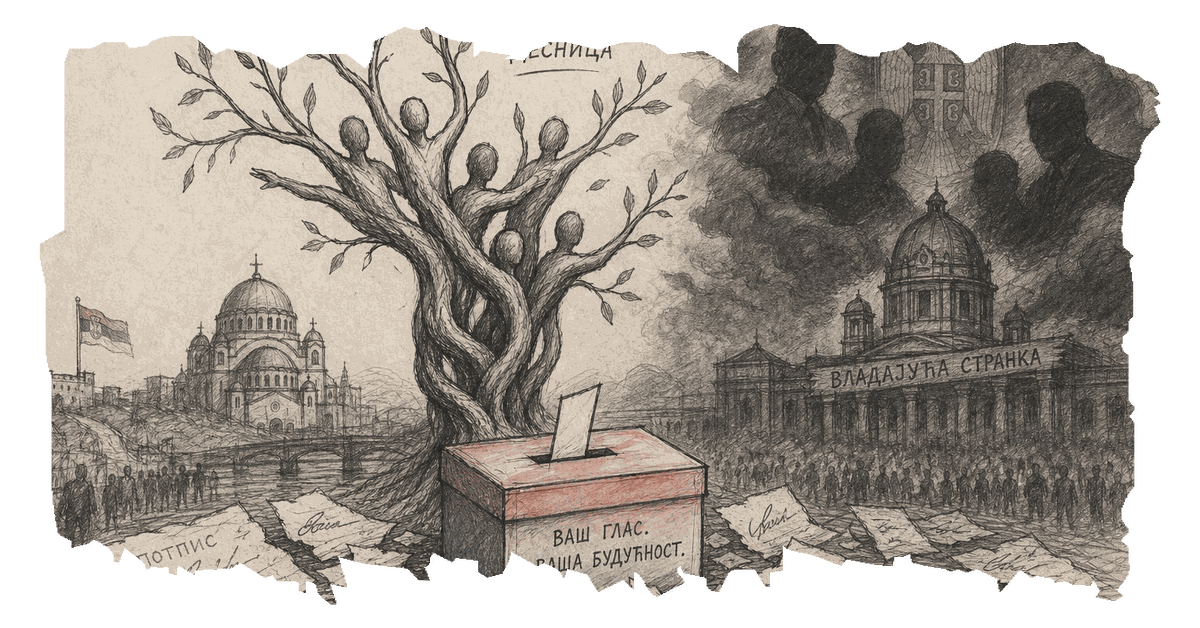
Ilija Srdanović, the leader of a student movement in Serbia, has declined an invitation from President Aleksandar Vučić for a televised debate, citing more pressing responsibilities. This decision comes amidst a charged political atmosphere as Serbia approaches its parliamentary elections. Srdanović’s refusal has been interpreted by Vučić as a lack of willingness to engage with public opinion, a claim Srdanović rebuffs by asserting that his movement is focused on delivering change, which he claims is what the public is demanding.
Srdanović, who leads a student electoral list, dismissed the idea of debating with Vučić, stating that he has more important matters to attend to than considering what Vučić has to say. “I have much more important things to do than think about what Mr. Vučić is saying,” Srdanović remarked to media outlets. He further criticized Vučić’s past statements, suggesting they were not worth commenting on. Srdanović emphasized that the public’s demand for change is a reaction to Vučić’s actions, and his movement aims to fulfill this demand through their program.

In response, President Vučić expressed surprise and disappointment at Srdanović’s stance. Vučić remarked that he expected Srdanović to accept the debate with enthusiasm, suggesting that Srdanović’s refusal indicates an unwillingness to confront differing opinions and visions for Serbia’s future. Vučić stated, “I was sure Srdanović would accept with enthusiasm. It’s easy to defeat someone who is not a human, a villain, a monster; just show my face, and everyone in Serbia will understand. However, to my surprise and shock, Mr. Srdanović immediately said he wouldn’t even listen to what I have to say.”
Vučić further criticized Srdanović for allegedly disregarding the opinions of Serbian citizens, especially those who hold different views on the country’s future. He noted that Srdanović’s refusal to engage in a televised debate suggests he is avoiding a public confrontation of ideas, despite Vučić’s willingness to discuss plans, programs, and visions for Serbia.
The refusal to debate has sparked discussions about the political strategies of both parties. Srdanović’s decision could be seen as a strategic move, reflecting a broader sentiment among the youth and student groups who have been vocal in their calls for change in Serbia’s political landscape. The student movement has been gaining momentum, driven by dissatisfaction with the current political climate and a desire for reform.
The political context in Serbia has been tense, with significant protests and calls for change, particularly among the youth. Previous interactions between Vučić and opposition figures have often been contentious, with debates historically serving as a platform for public discourse. The upcoming elections are set against this backdrop of heightened political engagement and public scrutiny.
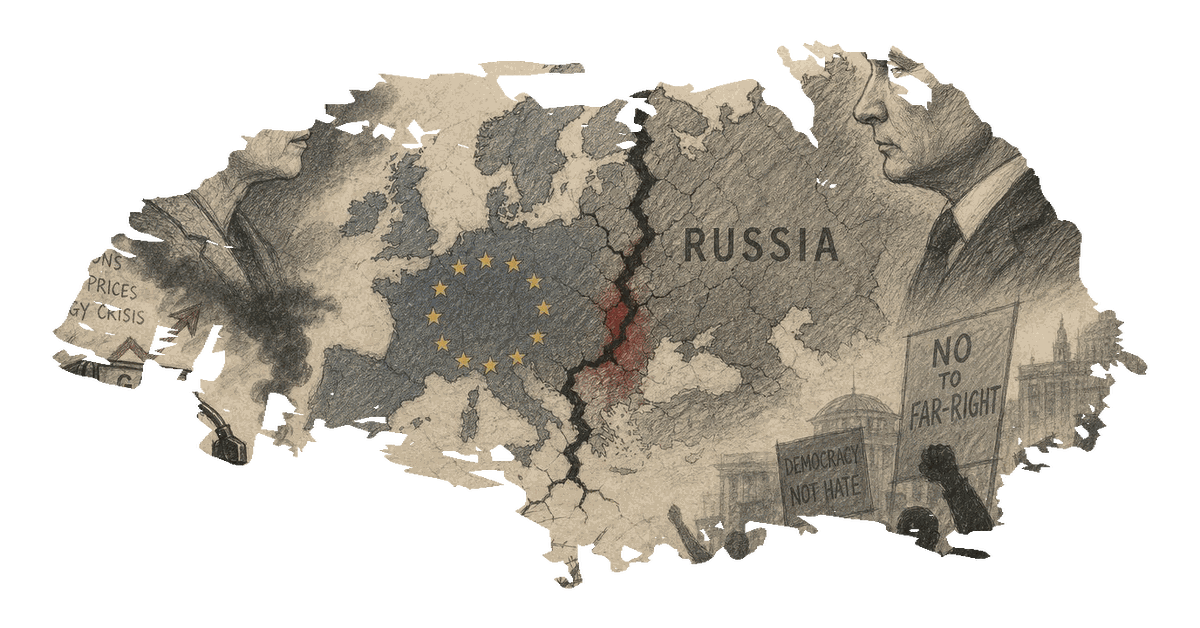
In addition to the domestic political dynamics, there are international elements at play. Ana Brnabić, a member of the Serbian Progressive Party’s presidency, accused European Parliament members of interfering in Serbia’s elections by supporting the student list. This accusation adds another layer of complexity to the political environment as Serbia navigates its electoral process.
The refusal by Srdanović to engage in a televised debate with Vučić highlights the ongoing tensions and differing perspectives within Serbian politics. As the elections approach, the decision underscores the strategic considerations of political actors in Serbia and the potential impact on voter sentiment. The situation remains fluid, with both sides vying for public support and legitimacy in the eyes of the electorate.