

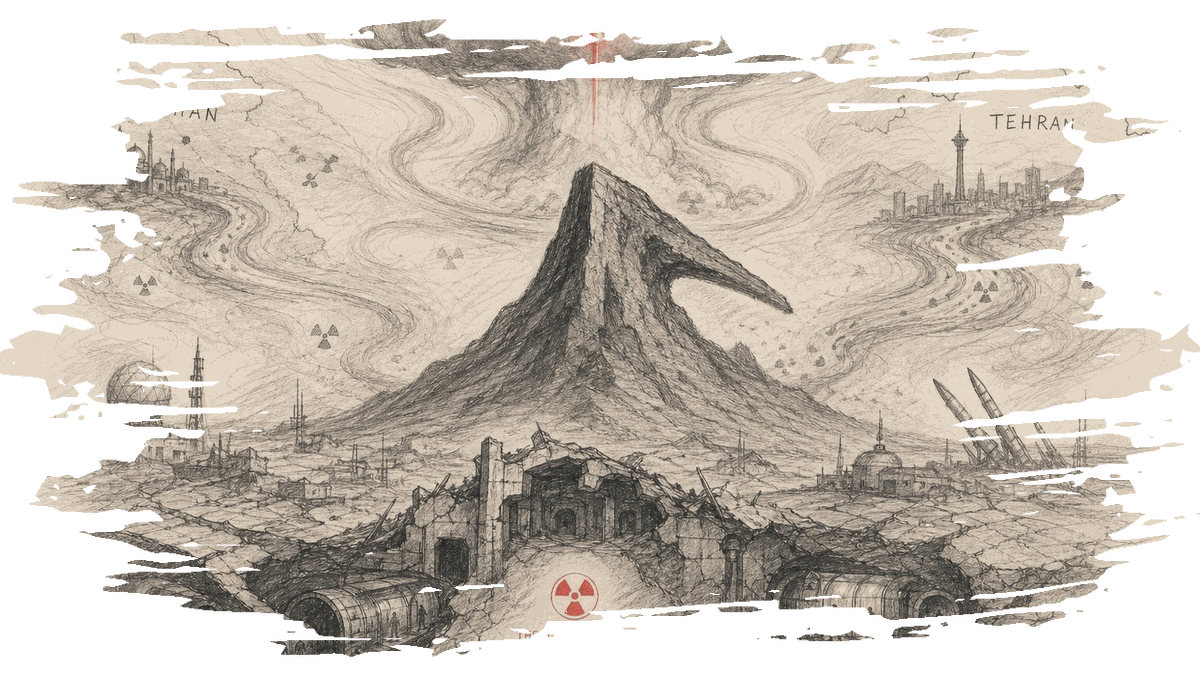
MIT physicist Ted Postol has issued a stark warning about the catastrophic consequences of a potential U.S. nuclear strike on Iran. During a recent discussion on Dialogue Works, Postol outlined the severe humanitarian and environmental impacts that could result from such an action. His analysis focused on the potential use of a 500-kiloton nuclear weapon on Iran’s Pickaxe Mountain, a strategic site near the Natanz nuclear facility.
According to Postol, if a nuclear weapon were detonated at this location and the wind carried the fallout southward, the city of Isfahan and surrounding areas could be exposed to lethal levels of radiation. He noted that individuals in the affected zone could receive “roughly twice a lethal dose of radiation” within 24 hours. The physicist highlighted that even with wind conditions varying, large parts of Tehran could also be at risk of significant radiation exposure, leading to widespread illness and potential fatalities.
Postol, who is a professor emeritus of science, technology, and national security policy at MIT, emphasized that the intended military targets—underground tunnels—would likely remain intact even after such a strike. He explained that the tunnels, which are part of Iran’s military infrastructure, could withstand the blast unless they were exceptionally well-designed. This resilience would allow Iran to continue its military operations, including the production of drones and ballistic missiles.
Furthermore, Postol criticized recent upgrades to Israel’s air-defense systems, dismissing them as ineffective against Iranian missile threats. He described these defenses as “total nonsense,” suggesting that they would not provide the security assurances that some might expect.
The physicist’s warnings come amid heightened tensions between the U.S. and Iran, with discussions of potential military actions being weighed by the White House. Postol’s analysis serves as a cautionary tale about the potential for a humanitarian disaster, drawing parallels to historical events such as the Mongol invasions in terms of scale and impact.
Postol also addressed recent reports of Iran allegedly preparing to use dirty bombs or chemical weapons, which he attributed to misinformation possibly originating from Israeli intelligence. He argued that the technical details of such claims were misunderstood or misrepresented by the media, further complicating the geopolitical landscape.
The discussion underscores the complex dynamics of U.S.-Iran relations and the potential consequences of military escalation in the region. Postol’s insights add a critical perspective to ongoing debates about nuclear strategy and the implications of military interventions. As the situation evolves, his warnings highlight the need for careful consideration of the broader humanitarian and geopolitical impacts of any military actions.

0 Comments