

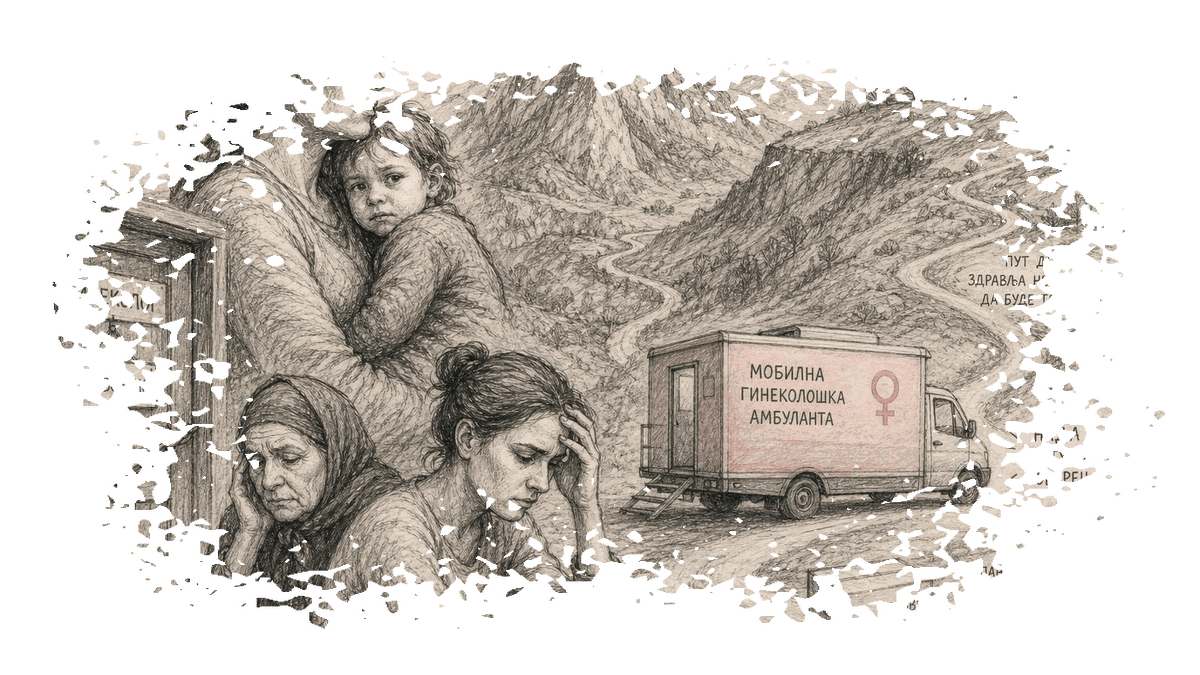
In the Jablanički district of Serbia, women living in rural areas face significant challenges in accessing gynecological healthcare, according to a recent study by the organization ‘Žene za mir’ based in Leskovac. The study, part of an 11-month project titled “Zdravlje nije privilegija” (Health is Not a Privilege), highlights that 35% of these women lack health insurance, a situation exacerbated by their geographic isolation and financial constraints.
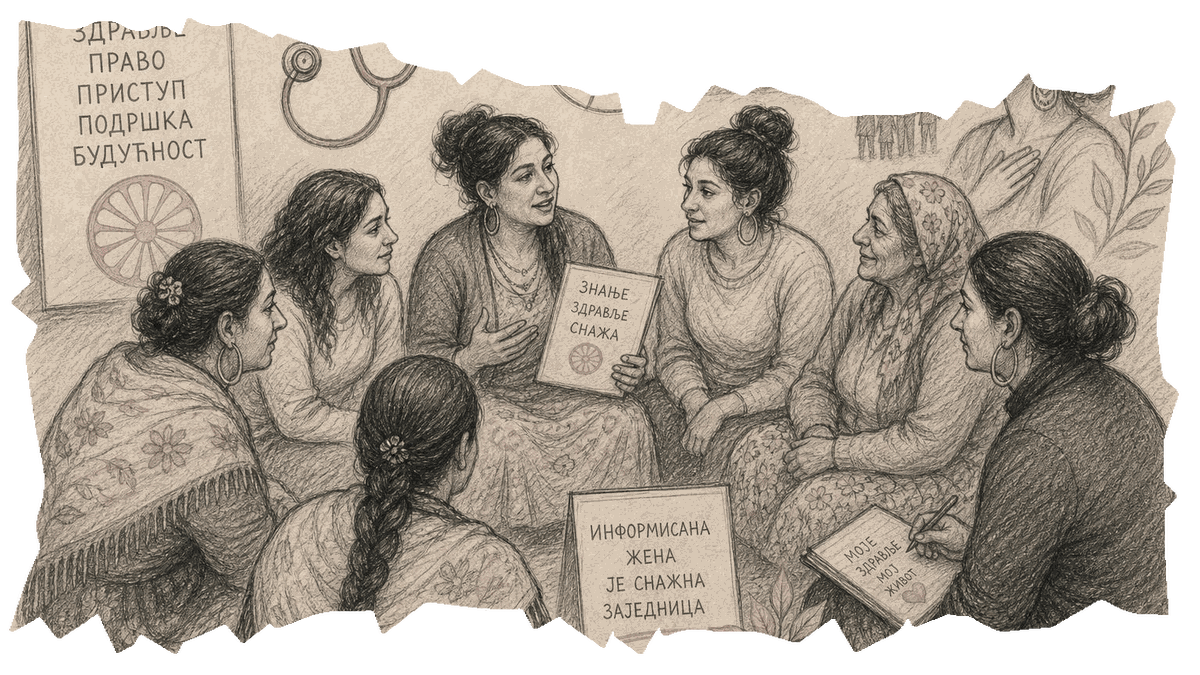
Ljiljana Nešić from ‘Žene za mir’ explained that many women in these rural areas are deterred from seeking medical help due to the long distances to healthcare facilities, lack of transportation, and insufficient funds for travel. “We are not asking for anything beyond what every woman deserves—to be received with dignity, examined, and listened to with due attention,” Nešić stated. The study involved women aged 18 to 68 from Leskovac and five other municipalities in the Jablanički district, who participated in focus groups to identify their healthcare needs.
The organization has proposed the establishment of mobile gynecological clinics to local health authorities as a solution to these barriers. While the Health Center has responded positively by inviting discussions, other institutions have not yet engaged with the proposal. Nešić emphasized the urgency of these mobile clinics, noting that some women must travel at least 30 kilometers to reach Leskovac, often without access to transportation or the financial means to make the journey. This distance, coupled with familial obligations, makes it difficult for women to attend medical appointments.
The project’s findings also reveal that during the COVID-19 pandemic, women in remote villages were particularly isolated from essential healthcare services, including doctors and pharmacies. Members of ‘Žene za mir’ provided support by delivering medications and supplies to these women. The organization has prepared a cost assessment for implementing mobile gynecological services in Leskovac, aiming to continue advocacy efforts beyond the project’s official end on November 30.
Nešić pointed out that women from rural areas are often overlooked by institutions, becoming visible mainly during election periods. However, she believes that the recent dialogues with health authorities indicate a growing awareness of rural women’s needs among decision-makers. Despite the project’s conclusion, ‘Žene za mir’ is committed to pursuing improved healthcare access for these women, advocating for systemic changes that address the disparities highlighted by their study.

0 Comments