

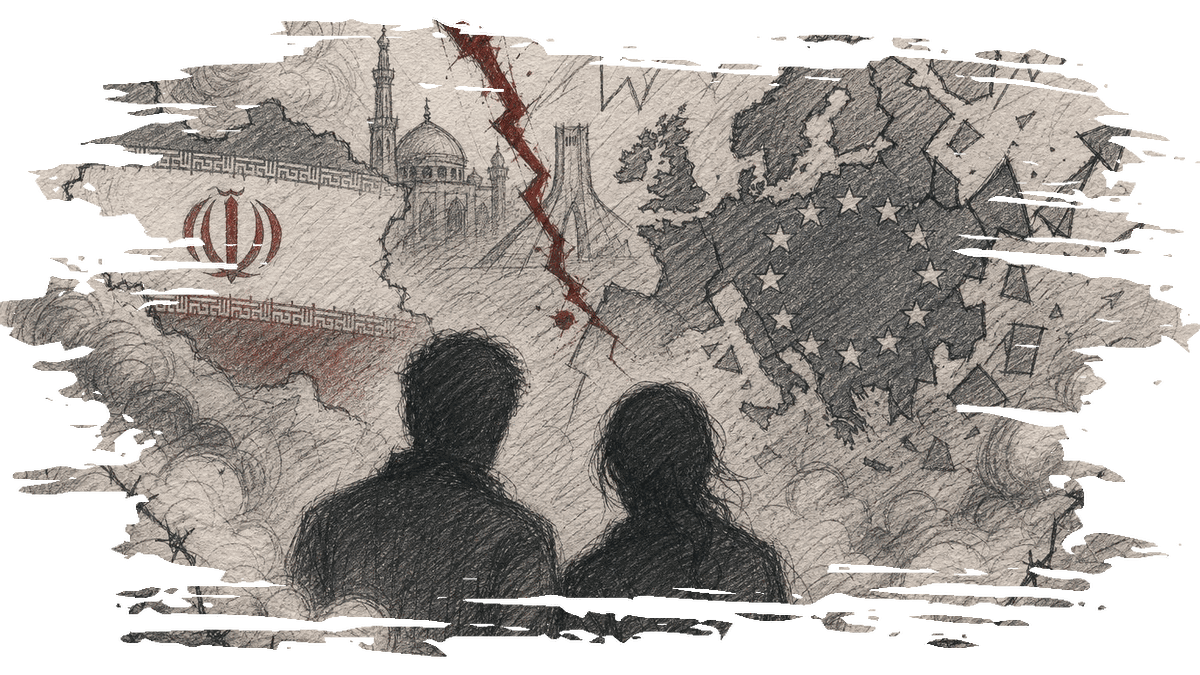
Two Italian nationals were killed in a drone attack on a military site in Kuwait, an incident that has sparked a diplomatic rift between Iran and the European Union. The attack, which occurred on Thursday, claimed the lives of Antonio Saccoccio, 65, and Emanuele Lo Russo, 36, who were working for a European defense company. While Italy and Kuwait have accused Iran of being behind the attack, Tehran has denied any involvement, suggesting instead that it might be a false flag operation orchestrated by the United States and Israel to escalate tensions in the region.
Iranian officials have dismissed the accusations, with Iran’s Ministry of Foreign Affairs labeling the incident as “suspicious” and suggesting it is a pretext for war. Abbas Araghchi, Iran’s chief diplomat, extended condolences to his Italian and Kuwaiti counterparts while maintaining Iran’s non-involvement. Brigadier General Abolfazl Shekarchi, a spokesperson for Iran’s armed forces, echoed this sentiment, suggesting that the attack might have been designed to provoke further conflict.
The incident has the potential to further strain relations between Iran and the European Union, which have already been tense due to disagreements over Iran’s nuclear program and regional influence. Riccardo Alcaro, a research coordinator at the Istituto Affari Internazionali in Rome, noted that Iran’s denial could be an attempt to avoid being perceived as the aggressor while promoting the false flag narrative to undermine the rationale for any future US-Israeli military actions.
Italy’s Foreign Minister Antonio Tajani confirmed that the deaths were caused by shrapnel from an intercepted drone, linking the incident directly to ongoing military operations in the region. The attack has raised concerns about the safety of European contractors working in volatile areas, particularly those involved in maintaining complex military systems like the Skyguard air defense system, which the Italian nationals were servicing at the time of the attack.
Iranian state-aligned media have also implicated Ukraine, suggesting that the attack could be part of a broader strategy to draw European nations deeper into the conflict. This narrative follows recent tensions involving Ukraine, including a Ukrainian attack on Russian vessels in Libya, which has already stirred regional unrest.
Experts warn that the incident could exacerbate existing divisions within Europe, particularly if public opinion begins to associate such attacks with the ongoing conflict initiated by the United States and Israel. Foad Izadi, a political commentator in Tehran, criticized European leaders for their support of US military operations, which he claims have resulted in significant civilian casualties and economic disruptions.
The broader geopolitical ramifications of the attack remain uncertain, but it underscores the fragile nature of international relations in the region. As European countries reassess their security protocols for personnel in sensitive areas, the incident highlights the complexities of military engagement and the potential for unintended escalation in an already volatile geopolitical landscape.




0 Comments