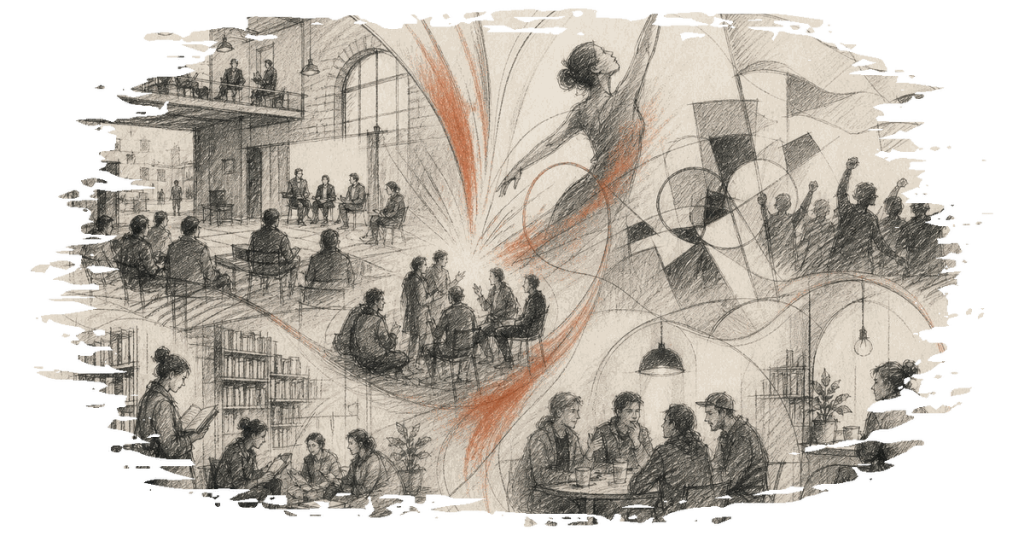
The upcoming no:Bitef festival in Belgrade, scheduled for September 20, 2026, is being framed as an act of civil disobedience and creativity, marking a significant cultural event in Serbia. This festival, known as the second no:Bitef, will take place at 60 different locations across Belgrade, each curated by local cultural workers. These micro-scenes will showcase significant works from the 60-year history of the original Bitef festival, which has long been a cornerstone of Serbia’s cultural landscape.
The festival is organized by a team including Miloš Lolić, Borisav Matić, Ana Vujanović, and Jelena Knežević. It is being presented as a rebellious and libertarian act, aiming to revive the avant-garde spirit of the original Bitef festival, which has faced challenges and cancellations in recent years. The no:Bitef initiative emerged as a response to these circumstances, notably after the 59th edition of Bitef did not take place due to disagreements over proposed performances.

The event is designed to operate outside the traditional institutional theater system, utilizing various community spaces such as independent social and cultural centers, bookstores, cafes, and even private apartments. This approach underscores the festival’s commitment to fostering a living, open, and free theater environment. Admission to the festival is free, allowing the public to engage with the arts without financial barriers.
The festival’s program and guest list are set to be announced shortly, with the organizers emphasizing that the event will continue to embody values of resistance and solidarity. The festival will culminate in a gathering at the Center for Cultural Decontamination, where participants and audiences will reflect on the legacy of Bitef and discuss its potential future.
The no:Bitef festival is positioned against a backdrop of cultural occupation, as described by the organizers, who liken their efforts to the spirit of the Republic of Užice. This framing highlights the festival’s role as a form of cultural protest, aiming to reclaim space for artistic expression and dialogue in a climate perceived as restrictive.
The initiative has garnered support from the Center for Cultural Decontamination and the Goethe Institute, which stand in solidarity with the festival’s objectives. As the festival unfolds, it will provide a platform for both domestic and international artists to engage with the public, fostering conversations about the role of theater and culture in contemporary society.
The no:Bitef festival’s emphasis on community involvement and its non-traditional venues reflect a broader trend of cultural events seeking to engage with audiences in more accessible and inclusive ways. By curating each micro-scene with local talent, the festival aims to celebrate the rich history of Bitef while also addressing current cultural and political challenges.
As the festival approaches, its impact and reception remain to be seen, but its organizers are hopeful that it will continue to inspire and provoke thought within the cultural community. The no:Bitef festival represents a significant moment in the ongoing dialogue about the role of culture and art in Serbia, offering a space for creativity and resistance in the face of perceived cultural constraints.