

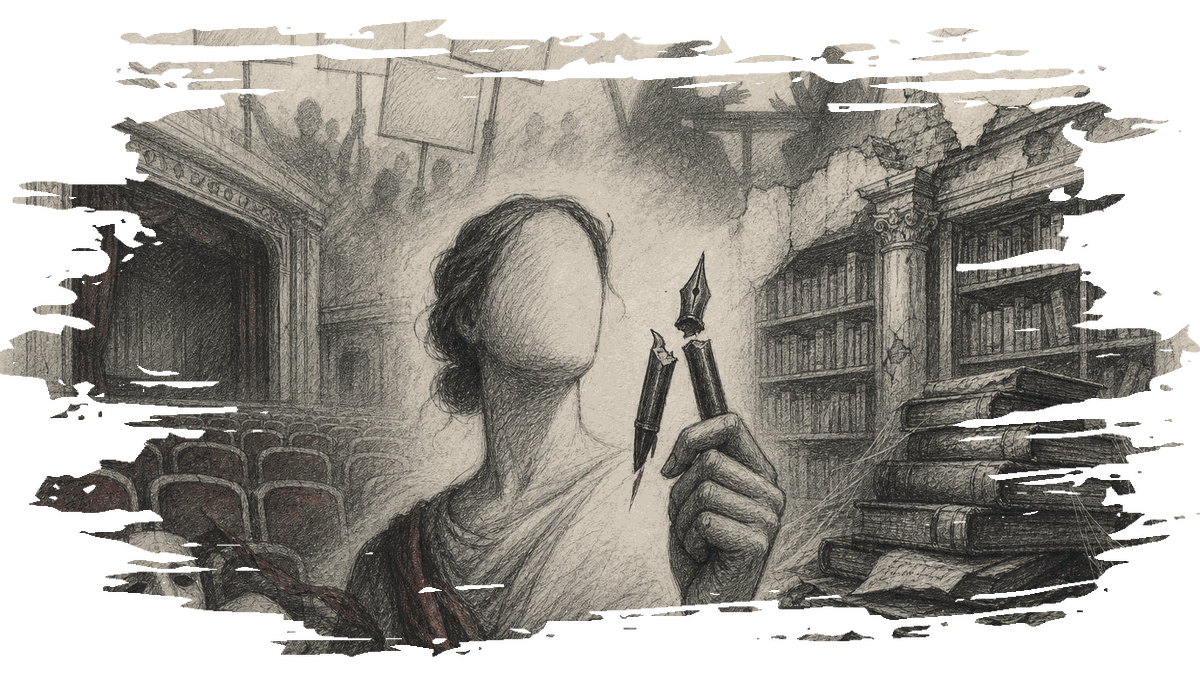
The cultural sector in Serbia is witnessing a wave of unrest as multiple institutions demand leadership resignations due to management issues and perceived violations of professional autonomy. The Free Union of Librarians of Serbia has formally requested the resignation of Jasmina Ninkov, the director of the National Library of Serbia. The union accuses Ninkov of centralizing management, suppressing democratic decision-making, and compromising the institution’s integrity. They allege that key decisions are overly concentrated in her hands, undermining the library’s traditional collegial decision-making processes. The union also highlights neglected working conditions and unresolved infrastructure issues, such as the expansion of the library depot and the construction of a public garage.
In parallel, the Šabac Theater has been conducting daily warning strikes since November 3, demanding the dismissal of its director, Aleksandra Delic. The theater’s union, “Nezavisnost,” submitted their demands to local authorities, citing the administration’s disregard for negotiation calls. The union criticized the management’s reliance on external mediators, which they perceive as a trivialization of their grievances. The theater’s ensemble has expressed dissatisfaction with the management’s failure to engage in meaningful dialogue, further straining relations within the institution.
Additionally, the Youth Theater in Novi Sad has called for the resignation of its director, Sergej Tamas. The theater’s union cites unpaid wages for contracted workers and unresolved operational issues, including the closure of the Velika scena since May 2025, which has hampered the theater’s activities. The union has given Tamas an eight-day deadline to resign, emphasizing the impact of these issues on the theater’s ability to function effectively.
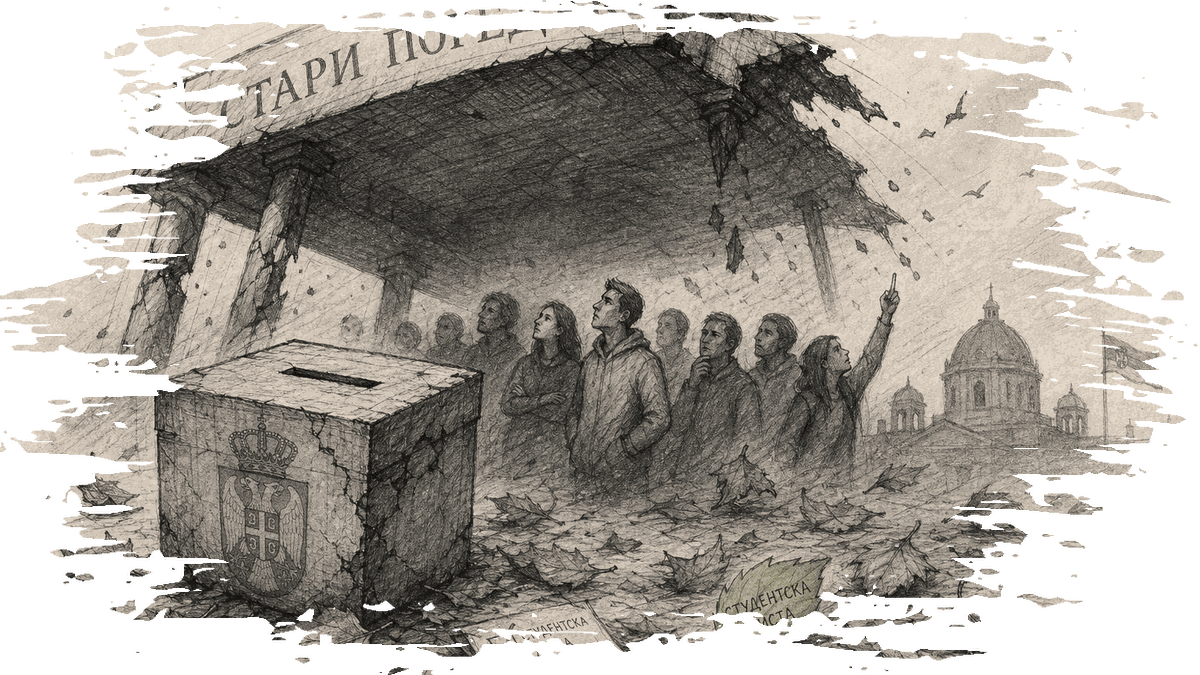
These demands for leadership changes are part of a broader movement within Serbia’s cultural sector, which has gained momentum following the victory of the Student List in the parliamentary elections on October 25, 2026. The elections have led to significant political shifts, prompting various cultural institutions to seek changes in their management. This wave of demands reflects a growing desire for transparency, accountability, and professional autonomy within Serbia’s cultural institutions.
The situation remains fluid, with the outcomes of these demands uncertain. The directors facing calls for resignation have not publicly responded, leaving the future of these institutions in a state of flux. As the cultural sector navigates this period of upheaval, the broader implications for Serbia’s cultural landscape and governance remain to be seen.
0 Comments