

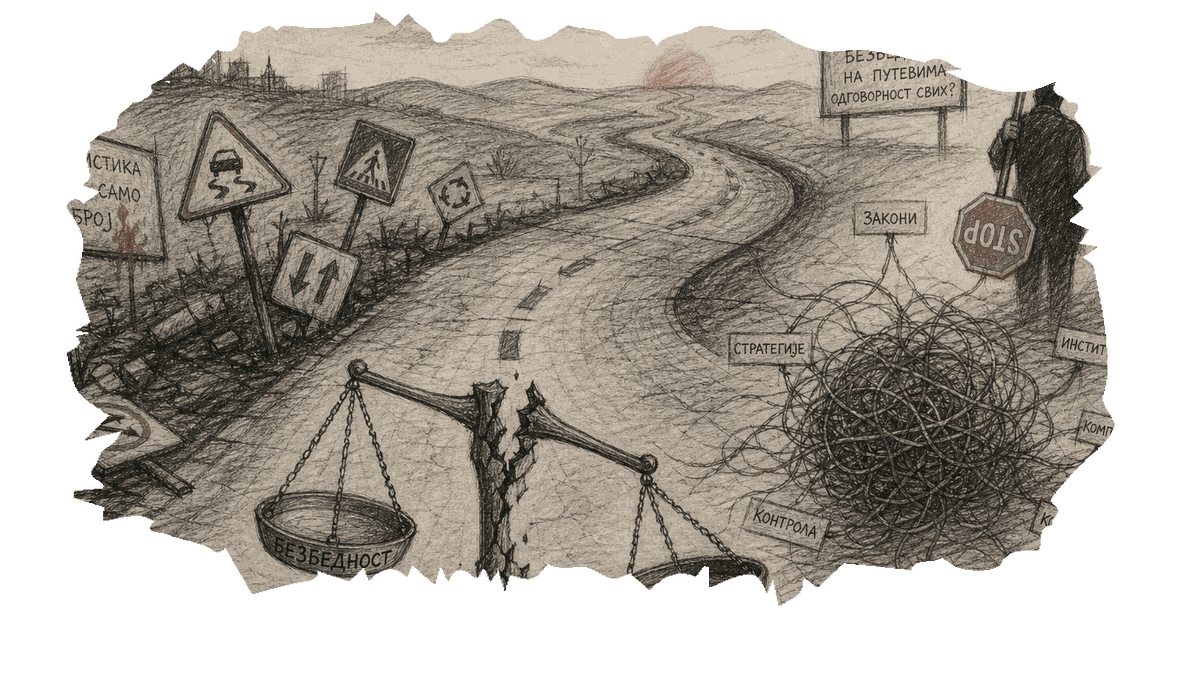
Serbia is facing a critical road safety crisis, with calls for the resignation of the leadership at the Serbian Traffic Safety Agency intensifying due to alarming traffic fatality statistics. Recent data reveals that Serbia recorded 74 traffic fatalities per million inhabitants in 2025, a figure significantly higher than the European Union average. This statistic underscores a severe public safety issue, as Serbia’s traffic fatality rate is reported to be 1.5 to 1.8 times higher than that of EU countries.
The Serbian Traffic Safety Agency has come under scrutiny for failing to meet the targets set out in the national traffic safety strategy for 2023-2030. The strategy, which includes an action plan with 248 activities and 31 measures, aimed to reduce the number of fatalities and serious injuries from traffic accidents. However, the plan has not achieved any of its interim goals, with 173 more fatalities and 2,562 more serious injuries recorded than projected. Additionally, the number of child fatalities and serious injuries has also exceeded the targets set by the strategy.
Critics argue that traffic accidents in Serbia are not mere coincidences but are the result of systemic failures and inadequate policy implementation. The current strategy’s lack of success is attributed to these systemic issues, and there is a growing demand for accountability from those responsible for road safety management. The agency, tasked with coordinating, monitoring, and controlling the implementation of safety measures, is particularly under fire for its perceived inaction and failure to achieve its objectives.
The situation is exacerbated by the absence of a new action plan following the expiration of the current one in 2025. This lack of a forward-looking strategy raises concerns about the future of road safety in Serbia. Furthermore, the centralization of traffic safety funding has weakened the financial independence of local municipalities, which previously relied on revenues from traffic violations to fund safety initiatives. This change has further hindered local efforts to enhance road safety.
The financial implications of traffic accidents in Serbia are substantial, with socio-economic costs estimated at around 4.1 billion euros in 2019. Despite these costs, there has been little change in policy or practice following the failure to meet safety targets. Critics emphasize the need for a comprehensive review of the agency’s operations, including its staffing policies, qualifications, competencies, and the effectiveness of its projects.
The call for resignations is rooted in a broader demand for political, professional, and moral accountability. The public and experts alike are urging a reevaluation of the current traffic safety policies and a shift in focus towards systemic responsibility rather than merely blaming individual accident participants. This approach aligns with modern traffic safety theories that advocate for shared responsibility among all system stakeholders, including policymakers, planners, engineers, vehicle manufacturers, and law enforcement.
As Serbia grapples with these challenges, the urgency for reform and accountability in traffic safety management becomes increasingly apparent. The failure to achieve strategic goals and the rising number of fatalities and injuries highlight the need for decisive action and a reevaluation of current safety practices. The public outcry for leadership changes at the Traffic Safety Agency reflects a broader demand for effective governance and improved safety measures on Serbia’s roads.


0 Comments