

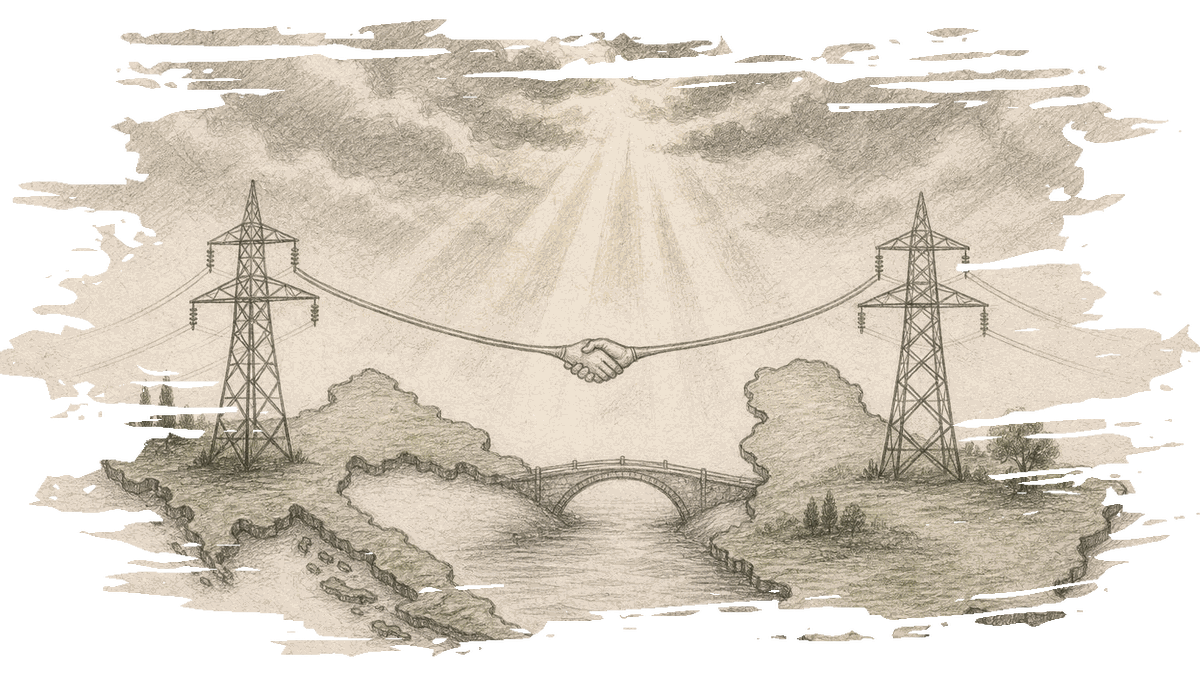
Serbia has taken a significant step in resolving a long-standing energy infrastructure issue by purchasing a section of the Šid–Nijemci power line from Croatia for 125,015 euros. This transaction, finalized on November 1, 2026, addresses a decades-old problem involving unresolved property rights and border disputes that have persisted since the breakup of Yugoslavia.
The Šid–Nijemci power line, constructed in 1976, became a point of contention following the dissolution of the former Yugoslavia. The infrastructure, although physically located on Serbian territory, remained under the administrative control of the Croatian transmission system operator, Hrvatski Operator Prijenosnog Sustava (HOPS). This situation left Serbia unable to legally invest in or maintain the power line, which was crucial for energy stability in the region.
The purchase by Elektromreža Srbije (EMS), Serbia’s electricity transmission system operator, grants Serbia full legal and ownership rights over the infrastructure. This acquisition is expected to enhance energy security and stability in the Srem and western Serbia regions. The power line had become a “dead capital” due to its technical unfeasibility and the unresolved property relations that prevented necessary maintenance and upgrades.
The transaction was strategically significant as it allowed Serbia to circumvent potential political obstacles related to ongoing border negotiations with Croatia. A special clause in the agreement ensures that the purchase does not prejudice future border discussions between the two countries. This pragmatic approach was highlighted by HOPS, which noted that the deal was mutually beneficial, allowing Croatia to offload an expensive maintenance obligation while Serbia gained control over a critical piece of infrastructure.
Historically, the power line’s maintenance had been a logistical and financial burden for Croatia, with repair costs estimated at around 900,000 euros. The infrastructure’s book value had depreciated to zero due to amortization, making the sale a financially sound decision for Croatia. For Serbia, the acquisition resolves operational issues that have plagued the country for years, particularly after a severe storm in July 2023 damaged over 40% of the power line on Serbian soil. This event had left the region without a vital alternative supply route, underscoring the urgency of resolving the ownership dispute.
The resolution of this issue is expected to have a positive impact on regional energy dynamics. By restoring the Šid–Nijemci power line to operational status, Serbia can mitigate energy supply risks, reduce the likelihood of regional power outages, and improve the flexibility of its energy management systems. The deal exemplifies a successful separation of economic and technical necessities from political debates, providing a model for addressing similar cross-border infrastructure challenges in the Balkans.
While the purchase marks a significant achievement, the long-term implications for Serbia-Croatia relations remain uncertain. The condition of the infrastructure and the costs associated with its maintenance and repair could pose challenges for Serbia. However, the acquisition represents a crucial step towards bolstering Serbia’s energy infrastructure and ensuring regional stability in the face of global energy transitions and increasing climate-related disruptions.




0 Comments