

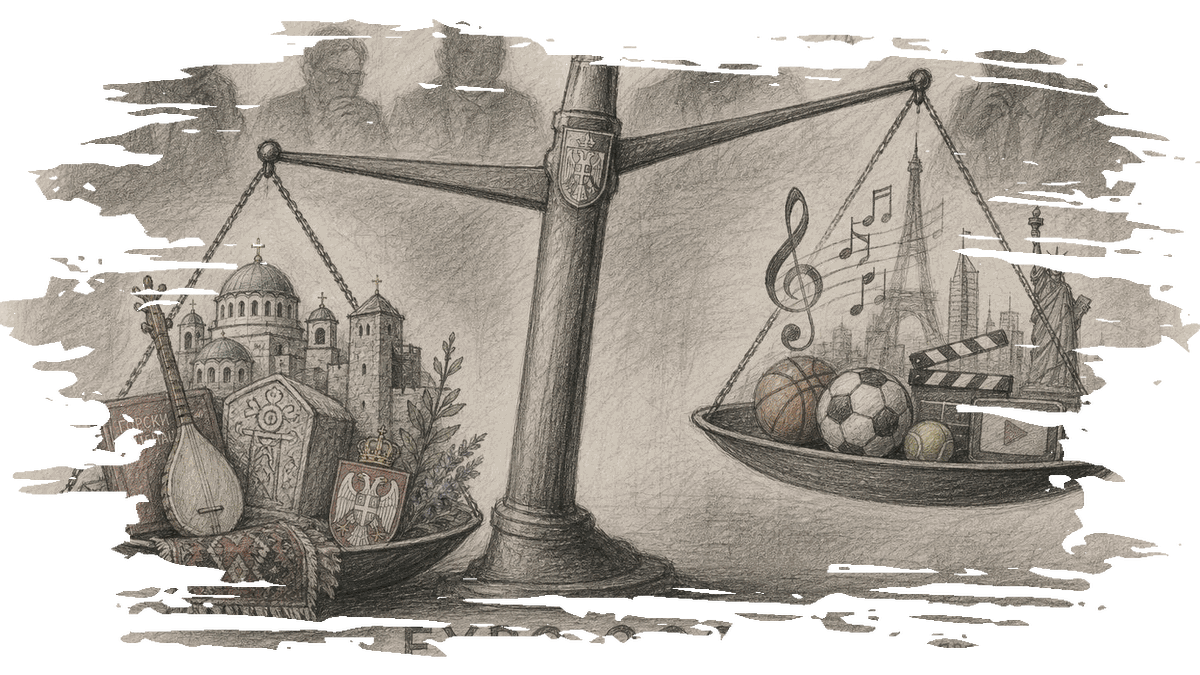
The selection process for cultural projects representing Serbia at the upcoming EXPO 2027 has raised concerns regarding transparency and the representation of Serbian culture. Out of 271 submitted proposals, only 58 projects were chosen, with the Ministry of Culture allocating a budget of 194,191,121 dinars for these initiatives. The themes for the contest were derived from the exhibition title “Game(s) for Humanity – Sport and Music for All,” yet there is uncertainty about whether the selected projects align with these themes.
The lack of transparency in the selection process has been a significant point of contention. The names of the committee members responsible for evaluating the projects have not been disclosed, leading to questions about their qualifications and the criteria used in their decision-making process. This opacity has fueled concerns about the competence of those involved and the potential for bias or misrepresentation of Serbian culture at a global event.

The themes of the contest, including “The Power of the Game,” “Game(s) for Progress,” and “Let’s Play Together,” were intended to showcase Serbia’s cultural and artistic strengths. However, the relevance of the selected projects to these themes is unclear. For instance, projects such as “Zrenjanin: City in the Clouds” and “Centuries in Prayer – Scenic Journey through Culture, Dance, and Prayer” have been criticized for their apparent disconnect from the intended themes of play and its transformative power. Similarly, the project “Little Paris for Every Child,” despite being described as inclusive, lacks transparency regarding its authors and participants, raising further questions about its alignment with the exhibition’s objectives.
The decision to include projects that focus on achievements from other countries, such as “K-pop Formula of Success” and performances of Beethoven’s Ninth Symphony, has also been controversial. Critics argue that these selections do not adequately represent Serbian culture and instead highlight foreign cultural achievements, which may not align with the exhibition’s goal of showcasing Serbia’s unique cultural identity.
Additionally, some of Serbia’s most important cultural institutions and artists did not participate in the competition, further complicating the narrative of cultural representation. The absence of secondary and higher education institutions, as well as internationally recognized artists, raises questions about the inclusivity and comprehensiveness of the selection process.
The controversy surrounding the selection process for EXPO 2027 is not an isolated incident. It reflects broader issues within Serbia’s cultural sector, where concerns about funding and support for the arts have been longstanding. Past controversies have highlighted the challenges faced by Serbian artists and cultural institutions in securing adequate support and representation on both national and international stages.
The current situation underscores the importance of transparency and accountability in the selection and funding of cultural projects. Without clear criteria and open communication about the decision-making process, there is a risk of public distrust and potential backlash from cultural stakeholders. This could undermine Serbia’s efforts to present a cohesive and representative cultural narrative at EXPO 2027.
Moving forward, it is crucial for the Ministry of Culture and other relevant bodies to address these concerns by providing detailed explanations of the selection process, including the qualifications and identities of the committee members. Engaging with cultural critics and artists to gain broader perspectives on the selected projects could also help ensure that Serbia’s cultural representation at EXPO 2027 is both authentic and inclusive.
0 Comments