

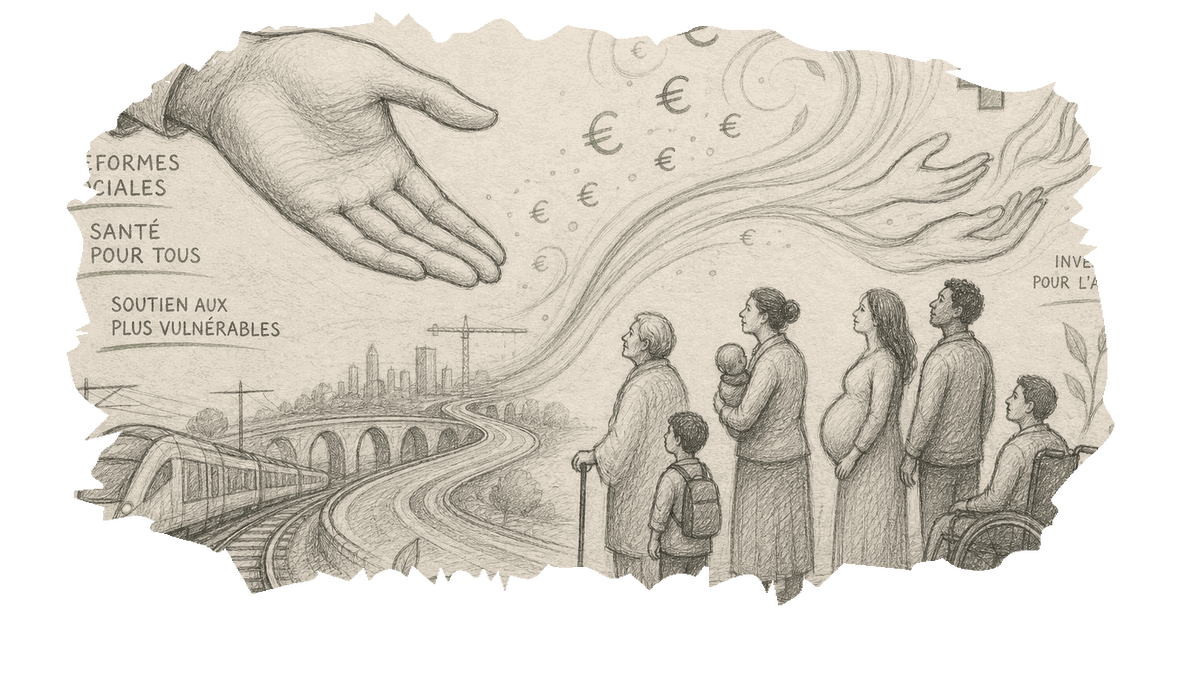
During a rally in Novi Sad, Serbian President Aleksandar Vučić announced a series of social and healthcare reforms aimed at improving the welfare of citizens, particularly vulnerable groups. Speaking to supporters of the “Aleksandar Vučić – United Serbia” list, Vučić outlined plans to increase pensions and allocate significant funds for healthcare initiatives, including over 50 million euros for patients with rare diseases.
Vučić emphasized the importance of supporting families dealing with the high costs of treatment for rare diseases. He committed six billion dinars, which is over 50 million euros, to aid in the treatment of children and others affected by these conditions. Highlighting the financial burdens faced by families, he mentioned specific challenges such as the high cost of therapies for conditions like muscular dystrophy.

In addition to healthcare funding, Vučić announced that dental services would be covered by the state starting next year, initially targeting elderly citizens. This move is part of a broader effort to restore dental services that were reduced in 2006, a decision he attributed to previous government mismanagement. The plan aims to gradually extend coverage to other demographics over time.
Vučić also introduced a new measure to provide non-invasive prenatal tests (NIPT) free of charge to expectant mothers, funded by the state budget. This initiative is intended to offer additional support to families, reducing the financial burden associated with prenatal care.
Moreover, Vučić promised significant increases in pensions, linking them to the anticipated economic growth of Serbia, which he projected to be 4.5% next year. He expressed gratitude to pensioners for their support during past economic reforms and assured them of continued improvements in their living standards.
These announcements come ahead of the parliamentary elections scheduled for October 25, 2026. Vučić’s proposals are seen as part of his broader campaign strategy to secure voter support by addressing key social and economic issues. While the promises have been welcomed by many, there is skepticism about their implementation, given the political context and the upcoming elections.
The rally in Novi Sad also featured discussions on infrastructure projects, with Vučić outlining plans for new railway connections and road developments in Vojvodina. He announced that a railway service connecting Belgrade to Budapest and Vienna would be operational by December 13, and detailed timelines for the completion of the “Smile of Vojvodina” road segment.
The proposed reforms and infrastructure projects reflect Vučić’s vision for Serbia’s future, emphasizing economic growth and improved public services. However, the feasibility and impact of these measures remain to be seen, as they are contingent on electoral outcomes and subsequent policy implementation.

0 Comments