Aleksandar Vučić, the leader of the “Aleksandar Vučić – United Serbia” list, has declared that the upcoming elections in Serbia will be exceptionally challenging, emphasizing the need for a more decisive victory than ever before. Speaking at a pre-election rally in Pančevo, Vučić expressed his ambition to secure a convincing win across the South Banat region, underscoring the importance of a successful Serbia for the future of its children. He encouraged the youth to either remain in or return to Serbia, citing a trend of people gradually returning to the country due to its improving prospects.
In his address, Vučić criticized the current state of education, particularly the influence of politics in schools and universities. He argued that educational institutions have been turned into extensions of political party committees and vowed to eliminate political influence from these environments if he becomes prime minister. “Politics should be out of schools and universities,” Vučić stated, criticizing professors who, he claims, have assumed roles beyond their educational duties, aiming instead to exert political influence.

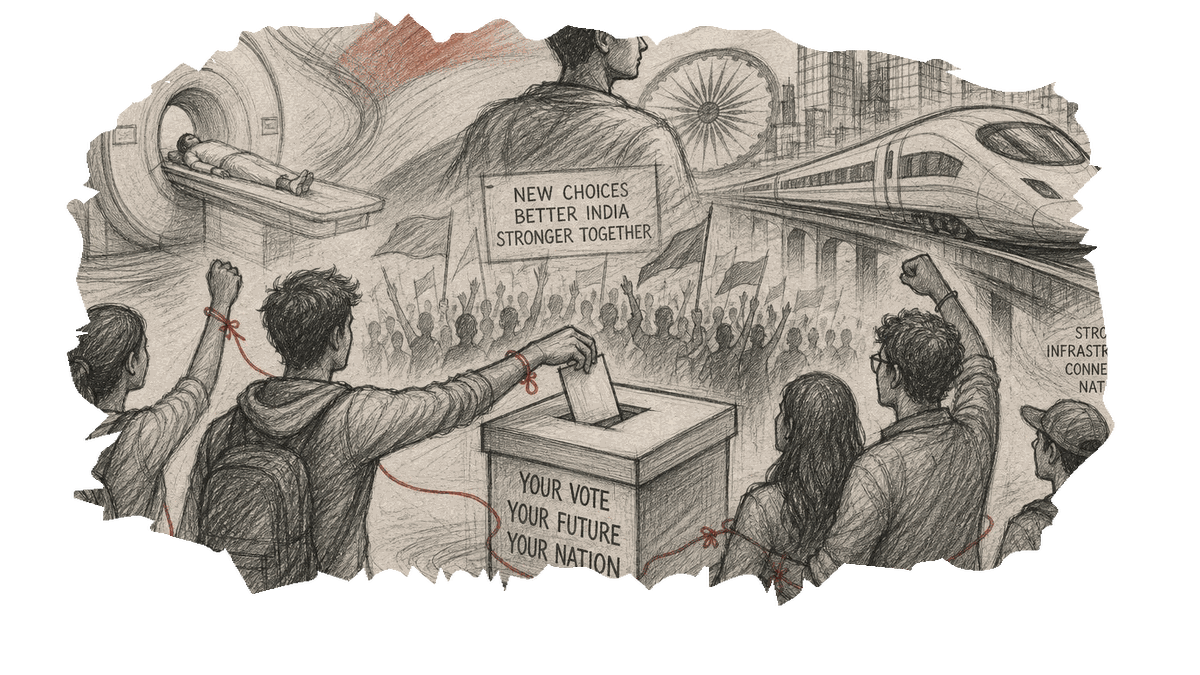
Vučić also acknowledged the progress made in Pančevo but admitted that more could have been achieved, citing the lack of a magnetic resonance imaging (MRI) machine in the local hospital due to bureaucratic delays at the provincial government level. He highlighted the need for better healthcare infrastructure, noting that while the nearby town of Vršac has an MRI machine, Pančevo does not, despite previous commitments to provide one.
Looking ahead, Vučić announced plans to open a high-speed railway to Budapest by the end of October or early November and discussed ongoing negotiations for the development of the Banat railway. This project, involving discussions with Chinese, Uzbek, and Russian partners, aims to enhance economic development and connectivity in northern Serbia. Vučić detailed plans for the railway to connect Pančevo, Opovo, Zrenjanin, and eventually extend to Subotica, with further aspirations to link eastern Serbia with Vojvodina through a new bridge over the Danube.
Vučić also revealed an agreement with Romanian President Nikușor Dan to commence the construction of a highway connecting Belgrade, Vršac, and Timișoara. He emphasized the importance of this infrastructure project for regional connectivity and economic growth, promising citizens his commitment to road development.
These statements come amid a politically charged atmosphere in Serbia, with Vučić’s leadership and policies under scrutiny. His remarks reflect a broader narrative of striving for national progress while addressing the challenges and criticisms faced by his administration. The upcoming elections, scheduled for October 25, are expected to be a pivotal moment for Serbia’s political landscape, with Vučić seeking to consolidate his influence and address public concerns over governance and development.