Ivan Marović, a former member of the Serbian youth movement Otpor, has shared his reflections on the pivotal 2000 elections in Serbia, drawing parallels to the current political climate. In a series of social media posts, Marović emphasized the critical role of voter turnout in safeguarding electoral integrity and highlighted the detrimental impact of internal opposition conflicts, which he sees as a recurring issue in today’s political landscape.
Marović recounted Otpor’s strategy during the 2000 elections, a time when the movement played a crucial role in mobilizing voters against the regime of Slobodan Milošević. He noted that Otpor remained neutral amidst the divisions within the opposition, focusing instead on the common goal of defeating Milošević. This approach, he suggested, is relevant to the current situation faced by the Studentska lista, a political group emerging from recent student protests in Serbia.

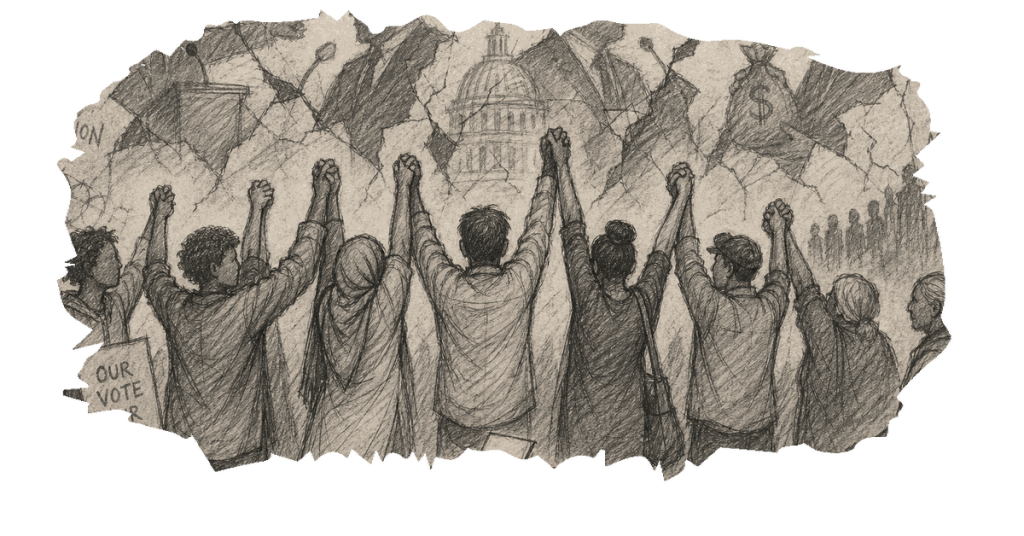
According to Marović, the success of the 2000 elections hinged on increasing voter turnout by half a million people who had previously abstained from voting. He explained that higher turnout not only complicates electoral fraud but also prepares the public to defend the electoral outcome. Marović identified two key groups targeted for mobilization: abstainers and disillusioned opposition supporters who had lost hope in the possibility of victory due to repeated failures and infighting among opposition leaders.
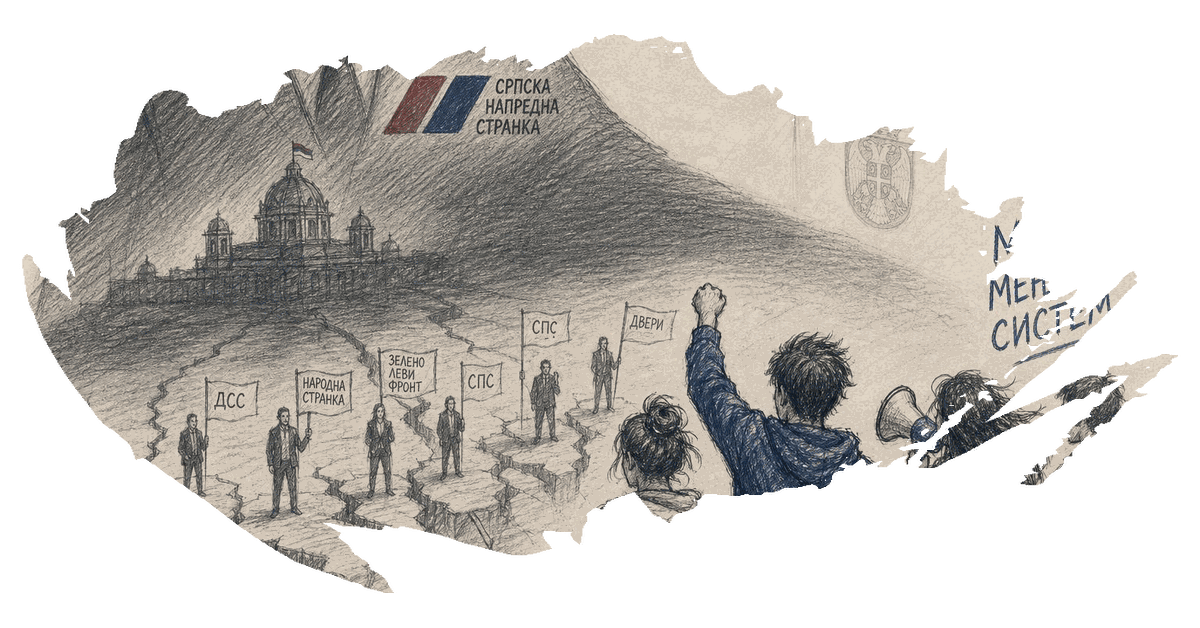
Reflecting on the internal conflicts of the opposition in 2000, Marović recalled how the coalition Zajedno won the 1996 local elections but soon disintegrated due to internal disputes. This disillusioned many opposition supporters who believed that the leaders’ egos prevented effective collaboration. Otpor, therefore, applied pressure on opposition parties to unite, a strategy that eventually led to a coalition at the start of 2000.
Marović recounted a symbolic moment when Otpor members marched from Novi Sad to a rally in Belgrade, where they handed over the Otpor flag to opposition leaders, signaling the need for unity. Despite these efforts, the opposition fielded two candidates against Milošević: Vojislav Koštunica for the Democratic Opposition of Serbia (DOS) and Vuk Drašković for the Serbian Renewal Movement (SPO). Otpor chose not to take sides, focusing instead on the overarching goal of defeating Milošević.
The campaign’s central message, “Gotov je” (He’s finished), underscored the importance of maintaining focus on Milošević rather than getting entangled in opposition disputes. Marović stressed that internal conflicts create a negative atmosphere, reducing voter turnout, which is detrimental to the opposition’s success.
In the context of the upcoming elections in Serbia, Marović’s insights highlight the ongoing challenges faced by opposition groups. The current political environment remains volatile, with student movements and other opposition factions striving to overcome similar obstacles of division and disillusionment. Marović’s reflections serve as a reminder of the importance of unity and voter mobilization in challenging entrenched political powers.
The historical context of the 2000 elections, where Otpor and the opposition successfully ousted Milošević, remains a significant reference point for contemporary political actors in Serbia. As the country approaches its next parliamentary elections, the lessons from that period continue to resonate, particularly regarding the need for strategic voter engagement and overcoming internal divisions to achieve political change.