

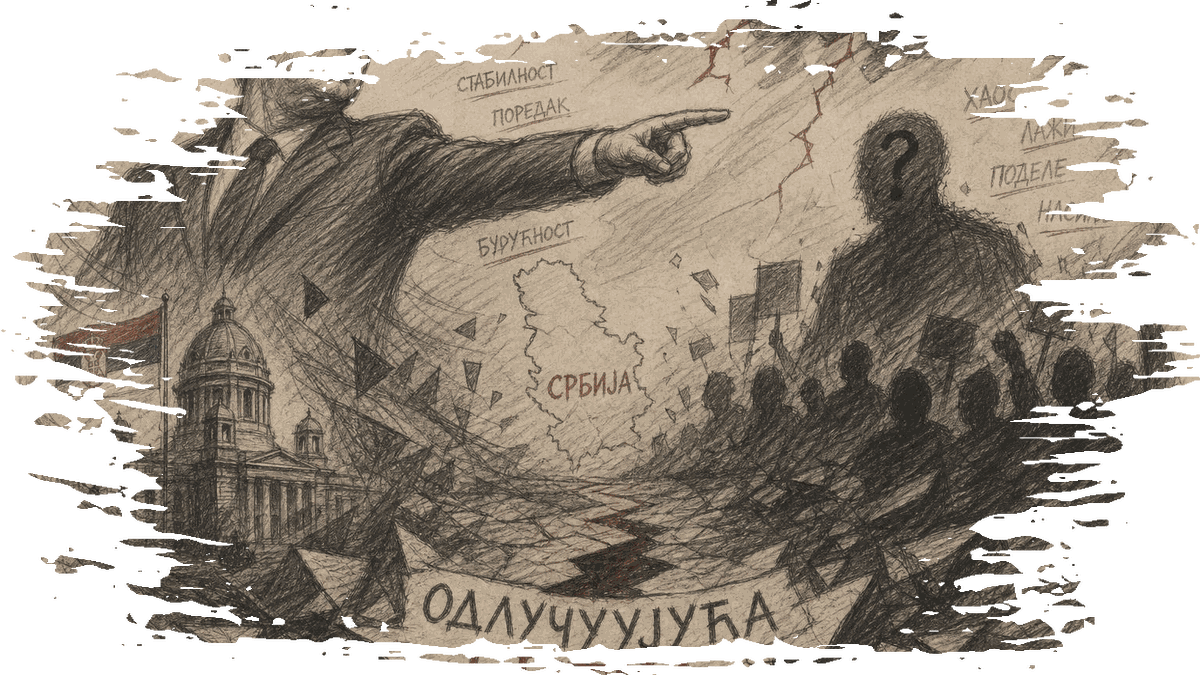
Serbian President Aleksandar Vučić has intensified his rhetoric ahead of the upcoming elections, framing the political contest as a critical battle for the nation’s survival. During a recent rally in Leskovac on October 10, Vučić warned supporters that Serbia’s future is at stake if his political opponents were to win. He described the elections as a “decisive battle” and emphasized the need to defend the electoral will, suggesting that any opposition victory could be interpreted as a threat to national security.
Vučić’s statements have raised concerns about the potential for political tensions and violence. He has accused his opponents of being threats to the state, and there is ambiguity about who would be responsible for defending the electoral will. This vagueness has led to worries about possible violence, although Vučić has not explicitly announced any such plans.

In his remarks, Vučić claimed that foreign money is being used to destabilize Serbia and asserted that he would not allow anyone to alter the will of the people. While he called on citizens to participate in the elections and fight for every vote, he also portrayed the opposition as an existential threat to the country. This rhetoric could delegitimize the opposition, framing their potential victory as a national security issue rather than a democratic choice.
The political climate in Serbia has been increasingly polarized, with past elections marked by allegations of violence and intimidation against journalists and opposition figures. Vučić’s recent statements echo previous patterns where dissent is framed as a threat to national stability. In a speech on September 28, Vučić reiterated his readiness to defend the electoral will, accusing opponents of planning to achieve on the streets what they could not at the polls. He assured that state institutions would protect the election results if anyone attempted to challenge them through violence.
Despite these assurances, Vučić’s rhetoric suggests a preparation for a more aggressive political stance. His portrayal of the opposition as a destructive force could limit the acceptance of a political defeat and preemptively delegitimize any electoral success by his opponents. This approach may influence public perception, framing any post-election disputes not as questions of electoral fairness but as attempts to violently subvert the popular will.
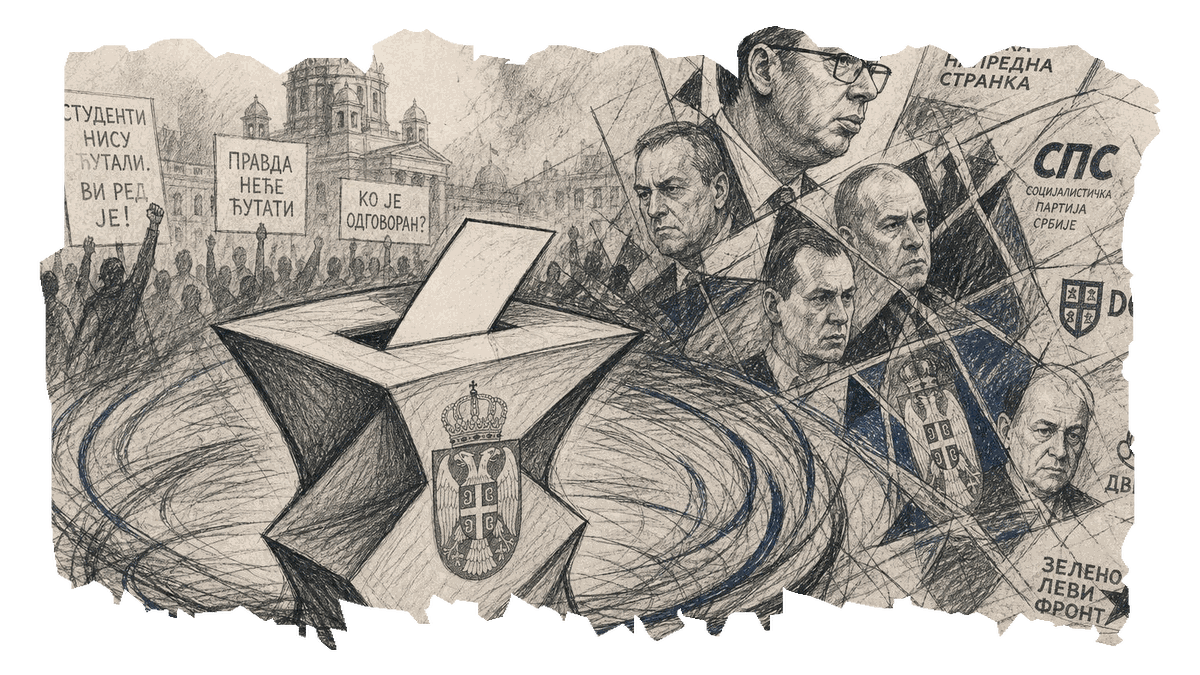
In April 2025, Vučić had similarly commented on student protests, equating them with violence and stating that the state would choose the moment to respond. This statement, while not directly related to the elections, is indicative of his broader political language, where protests are preemptively categorized as violent, and state responses are framed as a matter of timing rather than legality.
The implications of Vučić’s rhetoric are significant for Serbia’s political landscape. By casting the opposition as a threat, he narrows the space for political competition and raises the stakes of the electoral process. The potential for heightened tensions and the ambiguous nature of his statements about defending the electoral will could lead to an environment where political disputes are seen through the lens of national security rather than democratic contestation.
As Serbia approaches its elections, the political atmosphere remains charged, with Vučić’s rhetoric contributing to an already polarized environment. The outcome of the elections and the manner in which they are conducted will be closely watched, both domestically and internationally, as indicators of Serbia’s democratic health and political stability.

0 Comments