

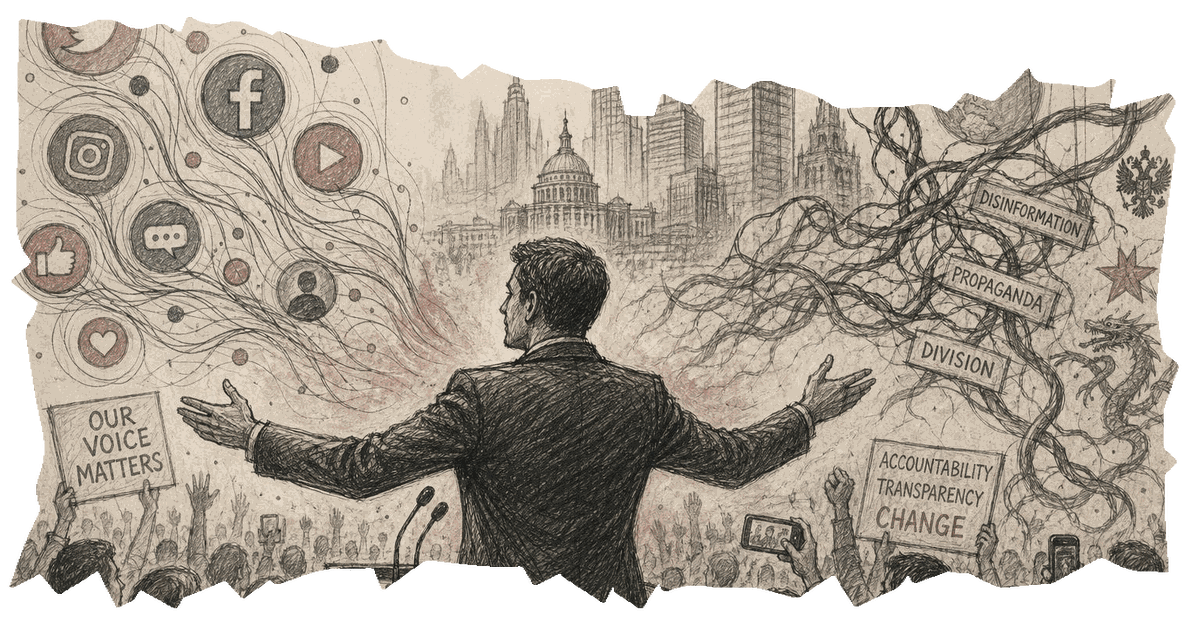
President Aleksandar Vučić of Serbia has announced a new approach for his campaign strategy ahead of the upcoming elections, focusing on direct engagement with citizens and an increased reliance on social media. Speaking in Niš, Vučić outlined plans to hold four major rallies in key Serbian cities: Belgrade, Novi Sad, Kragujevac, and Niš. He emphasized a more personal approach, stating that he intends to drive his own car and engage with citizens without adhering to a strict schedule.
Vučić’s campaign will see a shift from traditional media appearances to more direct conversations with the public. He plans to travel from village to village, city to city, participating in local events and listening to citizens’ concerns. “I will talk to the people, attend their celebrations, and listen to them when they mourn,” Vučić stated, emphasizing his commitment to understanding the public’s sentiments.
The Serbian president also expressed concerns about foreign investments in the country, which he believes are aimed at destabilizing Serbia. He claimed that millions of euros have been invested in non-governmental organizations, media, and other groups, with the intention of undermining the nation. Vučić acknowledged the difficulty of countering such financial influence, describing it as a significant challenge.
In addition to his campaign activities, Vučić mentioned several upcoming international engagements, including a visit to New York to speak at the United Nations and meetings with world leaders. He also plans to host Uzbek President Shavkat Mirziyoyev and potentially meet with French President Emmanuel Macron in Paris. Vučić stated that he will resign from his current duties once these commitments are fulfilled, transitioning to a role focused solely on campaigning.
The announcement of Vučić’s campaign strategy comes amid a politically charged atmosphere in Serbia. The Serbian Progressive Party (SNS), led by Vučić, has historically dominated the political landscape, but recent tensions and public discontent have posed challenges. Vučić’s leadership has faced criticism, particularly regarding his media strategy and engagement with the public.
Political analysts and opposition figures have reacted to Vučić’s new campaign approach with skepticism. Some view it as a continuation of his previous strategies, while others question its effectiveness given the current political climate. The opposition remains fragmented, with calls for unity to effectively challenge Vučić’s influence.
As the election approaches, Vučić’s strategy will be closely watched for its impact on voter sentiment and the broader political dynamics in Serbia. The focus on direct engagement and social media represents a notable shift in his campaign tactics, potentially reshaping the interaction between political leaders and the electorate in the country.

0 Comments