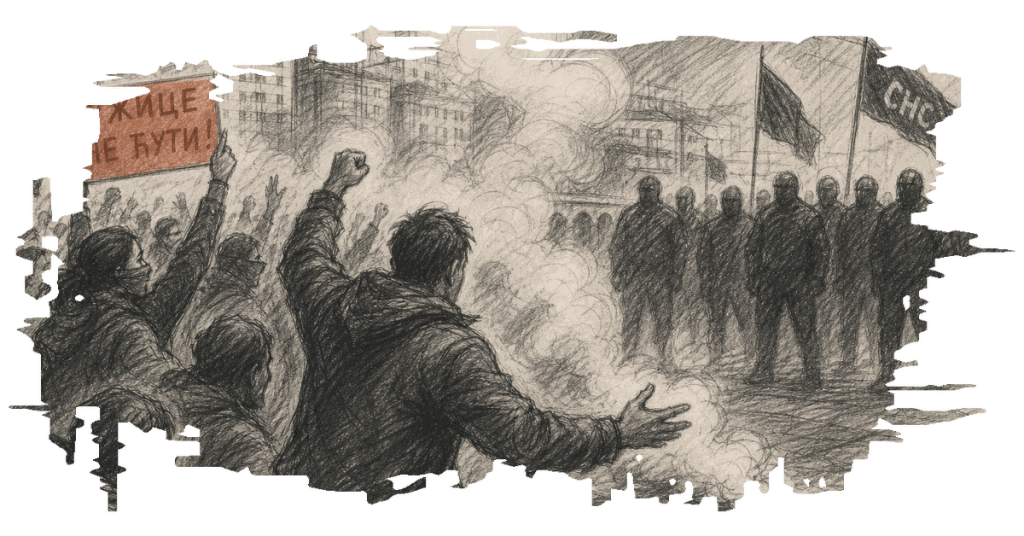
A violent clash erupted in Užice, Serbia, between citizens and supporters of the ruling Serbian Progressive Party (SNS) as they awaited the arrival of President Aleksandar Vučić. The incident, which occurred on August 30, 2026, involved the use of tear gas by police to disperse citizens who were attempting to hold a pre-arranged meeting. This confrontation highlights the heightened political tensions in Serbia as the nation approaches its upcoming elections.
The conflict began when citizens gathered for a scheduled meeting at 3 p.m., coinciding with the assembly of SNS supporters who were preparing to welcome President Vučić. The situation escalated as police intervened to prevent citizens from reaching their meeting, leading to a clash between the two groups. According to reports, SNS rally guards were involved in physically assaulting several citizens, an event documented by the “Mašina” portal. Despite the violence, police initially refrained from intervening, only stepping in later to separate the involved parties, as noted by journalist Marko Miletić in an interview with N1.

The incident resulted in serious injuries to a young man, while another individual was detained. The exact details of the injuries and the circumstances surrounding the detention remain unclear. The use of tear gas by police to suppress the citizens further underscores the severity of the confrontation.
Miloš Vučević, the president of the SNS, took to Instagram to address the incident, claiming that the police were attacked with cold weapons. He accused the “blockade movement” of initiating violence by throwing stones at journalists and using illegal means against citizens and police. Vučević’s statements suggest a narrative that frames the citizens as aggressors, a portrayal that aligns with the government’s previous attempts to depict opposition forces as potential sources of unrest.
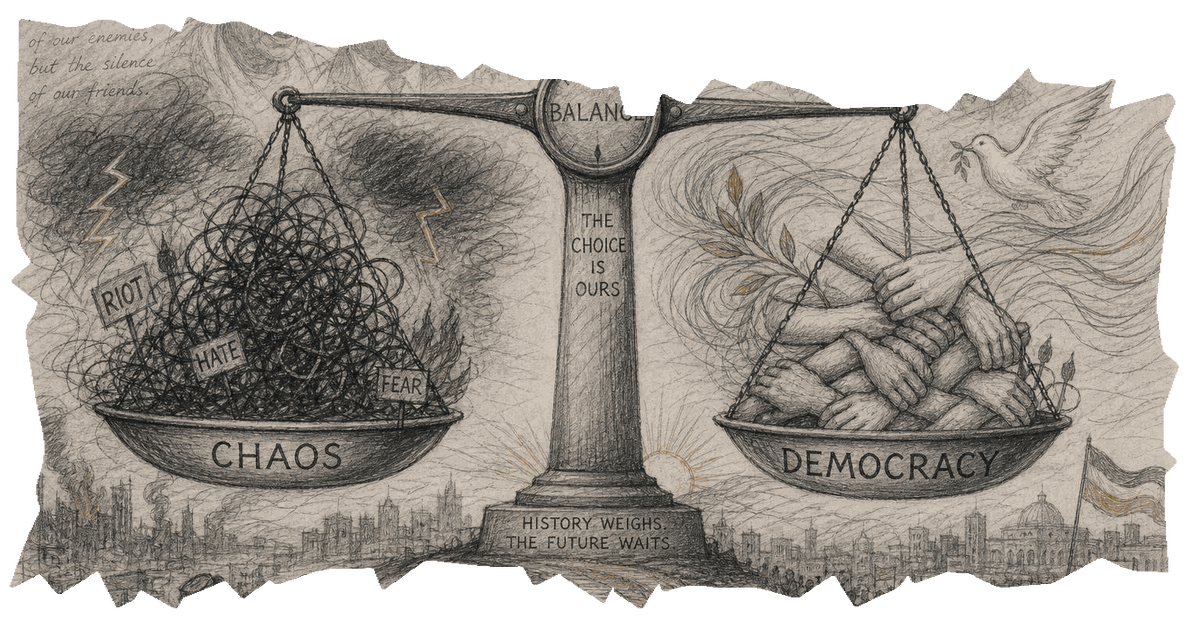
The clash in Užice is not an isolated incident but rather part of a broader pattern of escalating political tensions in Serbia, particularly during election periods. The government’s portrayal of opposition groups as instigators of chaos is reminiscent of historical tactics used to sway public opinion. This narrative, coupled with the physical violence witnessed in Užice, raises concerns about the potential for further unrest as the elections draw near.
The incident also highlights the strategic mobilization efforts by the SNS, which reportedly involved bringing supporters from various regions, including Western Serbia and Republika Srpska, to Užice. This move was aimed at demonstrating the party’s strength and outnumbering local resistance, as indicated by sources within the SNS.
The broader political climate in Serbia remains fraught with tension, as opposition groups and student movements continue to gain traction. These groups have been vocal in their criticism of the government, particularly concerning issues of electoral integrity and media independence. The upcoming elections are set against this backdrop of political volatility, with various factions vying for influence and public support.
As the situation develops, the implications for Serbia’s political landscape are significant. The potential for further clashes and the government’s response to such incidents will likely influence public perception and voter behavior. The international community and domestic observers will be closely monitoring the lead-up to the elections, assessing the fairness and transparency of the electoral process amidst these tensions.