

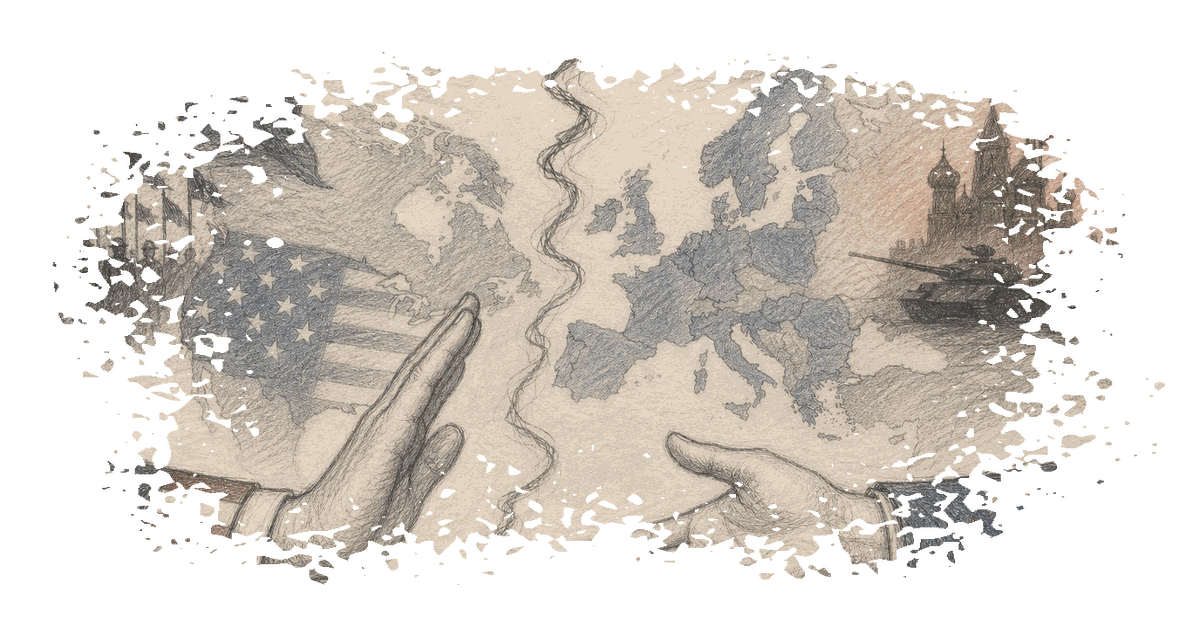
President Donald Trump has stirred controversy by dismissing concerns that Russian President Vladimir Putin might attack a NATO member state. In recent comments, Trump downplayed the significance of CIA Director John Ratcliffe’s unexpected visit to Moscow, describing it as “standard business” and denying that it involved delivering a warning to Russia. This stance contrasts sharply with the prevailing views among European leaders, who have consistently expressed apprehension about Russia’s expansionist ambitions, particularly in light of its military actions in Ukraine.
Trump’s remarks came during a conversation with reporters in the Oval Office, where he asserted that he is “not concerned at all” about the possibility of a Russian attack on NATO territories. He further stated that he has had “good talks” with Putin and confidently declared that Russia would not attack a NATO country. These comments have raised questions about the alignment of Trump’s views with those of U.S. intelligence and military assessments, which have historically been wary of Russia’s military maneuvers and intentions in Europe.

The backdrop to Trump’s comments is Ratcliffe’s recent trip to Moscow, which was initially interpreted by some media outlets as a mission to deliver a stern warning to Russia. However, Trump refuted these reports, emphasizing that Ratcliffe’s meetings with his Russian counterpart occur regularly and that there was “nothing unusual” about the visit. This assertion is notable given that no CIA director had made such a trip in over four years, with the last known visit occurring in November 2021 when then-CIA Director William Burns traveled to Moscow to issue a warning against invading Ukraine.
The timing of Ratcliffe’s visit is particularly intriguing, given the ongoing stalemate in the Ukraine conflict and the absence of peace negotiations or ceasefire efforts. Independent analysts have speculated that the visit may have been related to the Iran conflict, amid allegations that Russia has provided targeting information to Iran, potentially compromising U.S. military assets in the Middle East.
Trump’s comments have not only sparked debate within the U.S. but have also elicited reactions from European leaders and analysts. Many European heads of state have consistently warned of Russia’s aggressive posture and potential threats to NATO. Trump’s apparent dismissal of these concerns marks a departure from the broader consensus and raises questions about the implications for U.S.-European relations and NATO’s collective security posture.
The lack of clarity surrounding the true purpose of Ratcliffe’s visit and the broader state of U.S.-Russia relations adds to the complexity of the situation. As tensions continue to simmer, the international community remains watchful of any developments that could impact regional stability and security dynamics.
In conclusion, Trump’s recent remarks and the circumstances surrounding Ratcliffe’s Moscow trip underscore the ongoing geopolitical complexities involving the U.S., Russia, and NATO. The situation remains fluid, with potential implications for future diplomatic engagements and security strategies in the region.




0 Comments