

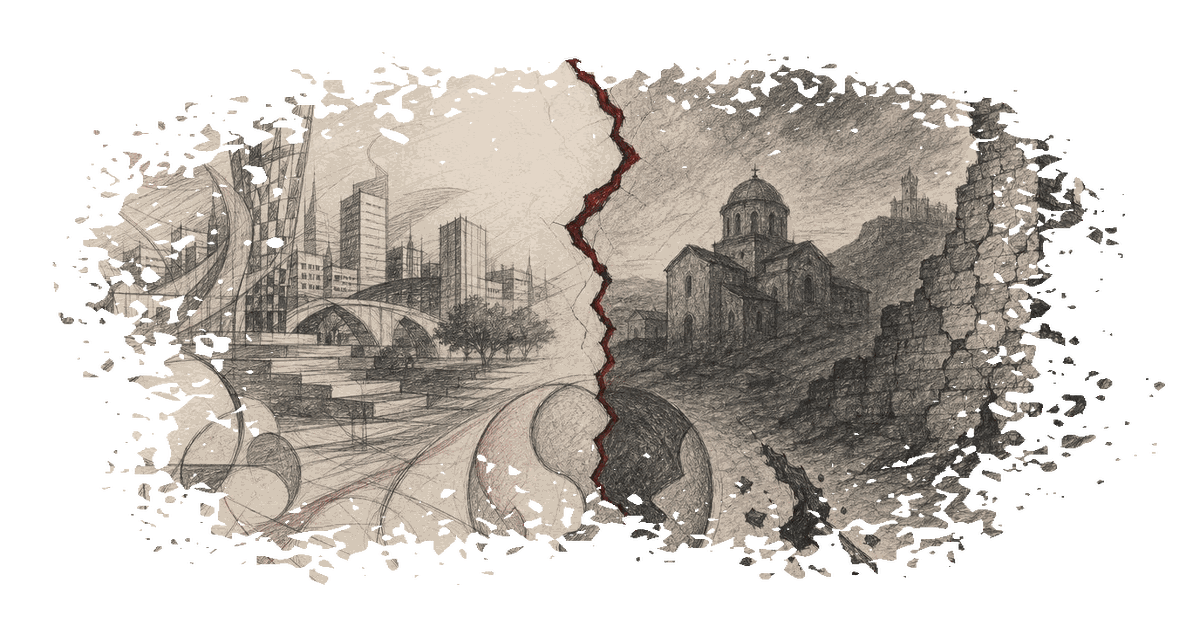
Travelers Ryan and Sara’s visit to Kosovo has sparked significant public outrage in Serbia, following comments they made about the region’s history and identity. The couple, who have been exploring various parts of the Balkans, shared their initial impressions of Pristina, describing it as vibrant and lively. They noted the bustling cafes and the city’s dynamic atmosphere, which they found intriguing. However, their observations on the ruins and historical context of the area led to a backlash from locals.
The travelers’ comments were perceived as insensitive by many in Serbia, who view Kosovo as a crucial part of their national history. One of the comments from a local emphasized that Kosovo is considered stolen Serbian territory, underscoring the complex historical narrative that surrounds the region. The comment highlighted that all churches in Kosovo were built by Serbian kings over centuries, and that the Serbian population in Pristina has significantly diminished due to past conflicts.

Ryan and Sara responded to the criticism by stating their awareness of the sensitive and painful history of the area. They expressed their intent to learn about Kosovo’s history, culture, and people without taking sides or engaging in political debates. Despite their efforts to remain neutral, their use of the term “state” in reference to Kosovo was interpreted by some as taking a political stance, further fueling the controversy.
The situation reflects the deep-rooted tensions between Serbia and Kosovo, a region with a long history of conflict. Kosovo declared independence from Serbia in 2008, a move that Serbia does not recognize, leading to ongoing disputes over the region’s status. This incident highlights the sensitivity surrounding discussions of Kosovo’s identity and the strong emotions tied to its historical significance for Serbians.
The travelers’ experience in Kosovo serves as a reminder of the complexities involved in navigating historical narratives in regions with contested identities. It also illustrates the challenges faced by outsiders attempting to understand and engage with such deeply entrenched issues. As Ryan and Sara continue their journey, they have been urged by locals to approach the region’s history with caution and to verify historical claims through credible sources.
This incident is a microcosm of the broader geopolitical dynamics in the Balkans, where historical grievances and national identities remain highly contentious. The reactions to Ryan and Sara’s visit underscore the ongoing struggle for narrative control in Kosovo and the broader implications for Serbian national identity. As tensions persist, the need for dialogue and understanding between communities in the region remains critical.



0 Comments