

The Students’ List, a political party that recently won the parliamentary elections in Serbia, has announced a comprehensive economic reform plan titled “Privreda i finansije” on social media. This plan outlines significant changes aimed at reforming the country’s economic policies and public spending. The announcement comes as the Students’ List seeks to implement its vision for Serbia’s future, following the end of the long-standing rule of the Serbian Progressive Party.
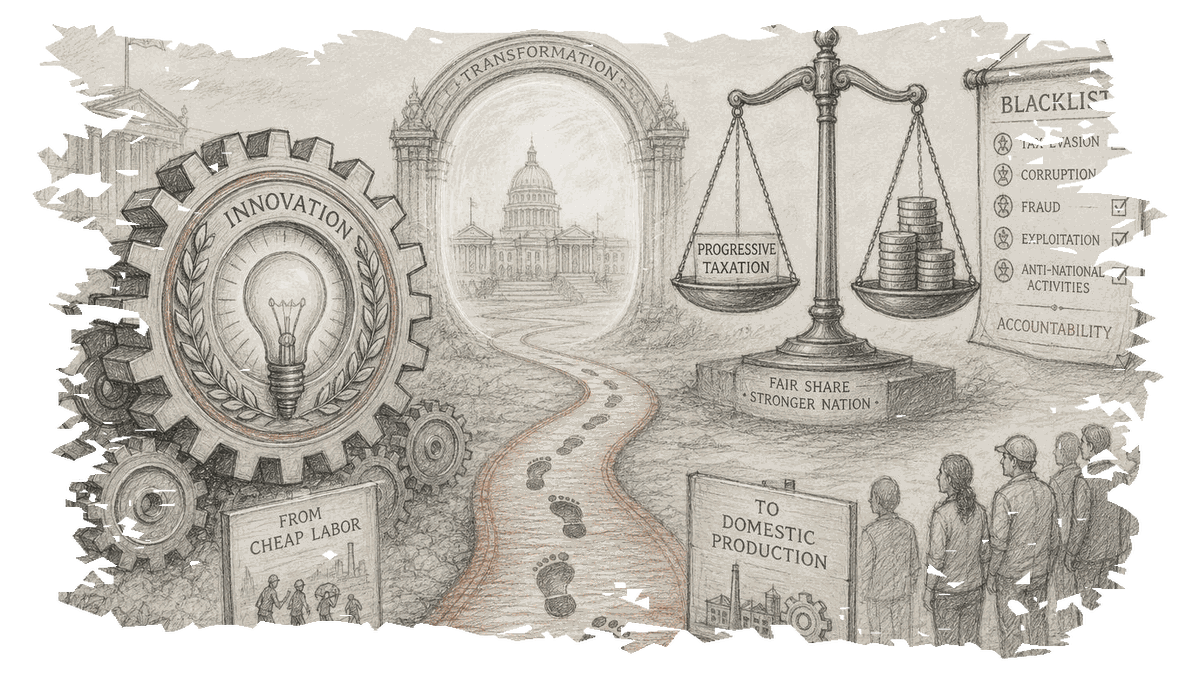
Key components of the economic plan include a commitment to responsible public spending and the introduction of a progressive tax system. The Students’ List emphasizes the need to shift away from an economic model reliant on cheap labor, advocating instead for fostering domestic production and innovation. According to the party’s statement, the economic policy must encourage stable jobs and innovation, rather than rewarding those with political connections.
A significant aspect of the plan is the introduction of a public procurement portal designed to enhance transparency in government contracts. This portal will publish all contracts, prices, and the criteria used to evaluate bidders, thereby increasing accountability. The plan also proposes a “blacklist” for entities that breach contracts, barring them from future government contracts for three years.
The economic plan further outlines measures to reform public enterprises, which will remain under state control. The strategy for state ownership will be determined by the National Assembly, rather than the government, ensuring that the state’s share in certain companies does not fall below a specified threshold. Additionally, the plan calls for the termination of current mandates for directors and supervisory boards appointed under the old law within 12 months of the new law coming into effect.
In terms of taxation, the plan proposes reducing taxes on labor while increasing taxes on large properties. The Students’ List argues that the current tax burden on the poorest citizens is disproportionate due to excise goods, and aims to introduce more progressive income tax brackets. The non-taxable portion of income will be raised from 23% to 35% of the average salary, further supporting tax progressivity.
The Students’ List also plans to abolish subsidies per job, with future incentives only awarded to projects that increase average wages. These thresholds will be tied to the average salary and vary according to the development level of municipalities.
The Students’ List’s economic plan reflects a broader political shift in Serbia, following their electoral victory on October 25, 2026. This victory marked the end of the Serbian Progressive Party’s dominance, which had been criticized for its public sector hiring practices. The new government aims to dismantle these practices and ensure that public sector employment is based on merit rather than political affiliation.
While the plan outlines ambitious reforms, the effectiveness of these proposed changes remains uncertain. There may be resistance from established political and economic interests, and the timeline for implementation and specific metrics for success have not been detailed. The Students’ List’s representatives have expressed their commitment to creating a fairer and more transparent economic environment in Serbia, but the practical challenges of enacting these reforms will be closely watched.
0 Comments