
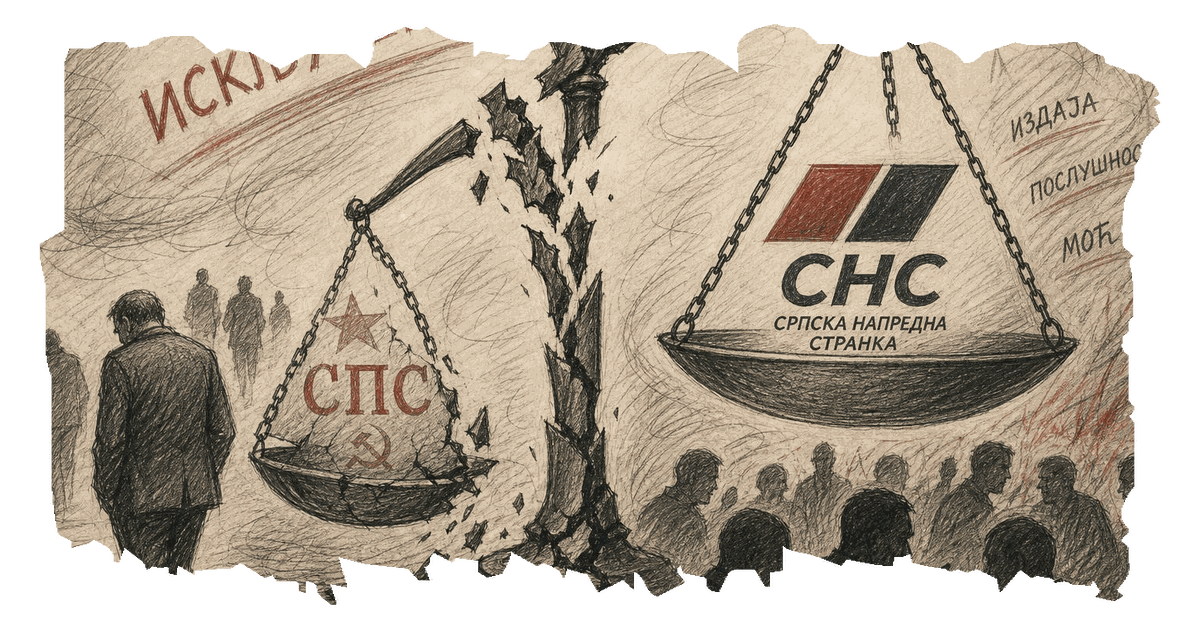
Branko Ružić, a prominent figure within the Socialist Party of Serbia (SPS), has been expelled from the party following a unanimous decision by the SPS Statutory Commission. This move, occurring just before the announcement of upcoming elections, has stirred discussions about internal party dynamics and potential shifts in political alliances. Ružić’s expulsion is attributed to his previous criticisms of the SPS and its coalition partner, the Serbian Progressive Party (SNS), which he has accused of straying from the party’s original socialist values.
The decision to remove Ružić was reportedly influenced by a request from President Aleksandar Vučić to Ivica Dačić, the leader of the SPS, to demonstrate loyalty to the ruling coalition by expelling Ružić by September 1. This action is seen as a strategic move to solidify the party’s alignment with the SNS, amidst speculation that Dačić might be positioning himself for a presidential candidacy.
Ružić’s history with the SPS is long-standing, having held various significant roles, including serving multiple terms as a minister. His recent actions, however, have been at odds with the party’s official stance. He participated in a student protest on March 15 of the previous year and refrained from voting for the current Serbian government as a member of parliament. Additionally, Ružić has publicly suggested that the student movement could become a political partner for the SPS, a statement that contradicts the party’s decisions.
The expulsion has already led to further resignations within the SPS. Dejan Ćurčić, a member of the Main Board, and Milan Stepanović, president of the Municipal Board in Kuršumlija, have left the party, citing a departure from its foundational ideology as their reason. They argue that Ružić’s expulsion reflects a political decision not in tune with the sentiments of the SPS membership and electorate, who they believe saw potential in Ružić’s proposals for the party to return to its core principles.
Critics within the party have pointed out that Ružić’s media appearances, often on platforms critical of the government, have been a significant factor in his expulsion. His public statements, including those critical of the SPS’s merger with the SNS and calls for the party to pursue an independent policy, have been deemed as damaging to the party’s image.
The repercussions of Ružić’s expulsion on the SPS’s political standing remain uncertain. While some speculate that his removal could alienate a segment of the party’s base, potentially affecting voter turnout in upcoming elections, others believe it might strengthen the party’s cohesion by eliminating dissent. The SPS, which is currently hovering just above the electoral threshold, faces the risk of losing political relevance if internal divisions continue to widen.
The broader political landscape in Serbia is also in flux, with the SPS’s relationship with the SNS under scrutiny. The recent developments suggest a potential reevaluation of alliances, as the SPS has signaled openness to exploring new political partnerships. This realignment could have significant implications for the upcoming elections, where the dynamics between the ruling coalition and opposition parties will be closely watched.
As the situation unfolds, the focus will be on how the SPS navigates these internal challenges and what impact Ružić’s expulsion will have on its electoral prospects. The party’s ability to reconcile its internal differences while maintaining its political relevance will be crucial in the lead-up to the elections.



0 Comments