

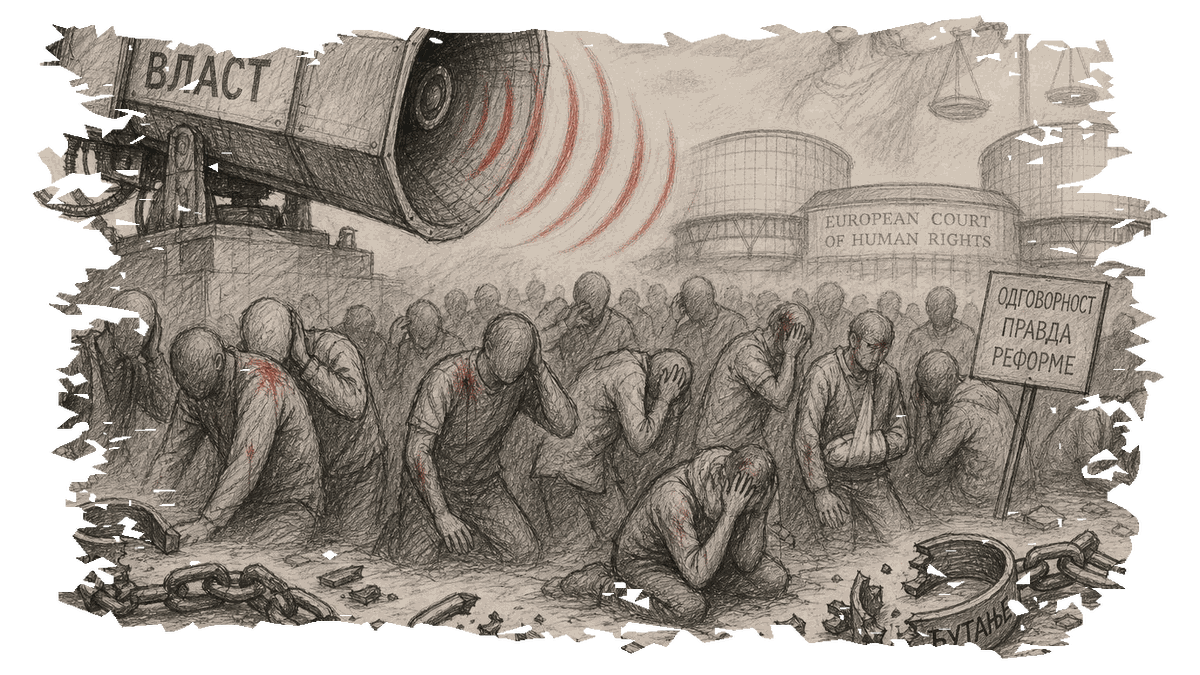
Serbia is facing a deadline set by the European Court of Human Rights to respond by January 15, 2027, regarding the controversial use of a ‘sound cannon’ during protests. This development comes amid significant criticisms of how the domestic investigation into the incident has been handled. Vladica Ilić, a lawyer from the Belgrade Center for Human Rights, highlighted that more than 150 citizens have reported injuries from the sound cannon, yet the investigation has faced substantial shortcomings, including a lack of transparency and communication with the victims.
The European Court’s request for a response underscores the international attention on Serbia’s handling of the protests and the subsequent investigation. The domestic inquiry, which was concluded with an official note, did not inform the victims or those who filed complaints about its findings. This lack of communication became apparent only after a report from the Supreme Public Prosecutor’s Office was published, indicating numerous procedural deficiencies.
Ilić has called for the Organized Crime Prosecutor’s Office to take over the investigation due to the serious allegations of misconduct and potential cover-ups by authorities. He argues that the investigation should not only determine whether the sound cannon was used but also examine who authorized its use, the reasons behind it, and whether there were attempts to conceal the facts afterward. Ilić suggests that there are indications of multiple possible criminal acts, potentially involving organized crime, which necessitates a more rigorous inquiry beyond the capabilities of basic public prosecutor’s offices.
The case has broader implications, as it raises questions about the accountability of Serbian authorities and their transparency in handling allegations of police misconduct. Ilić pointed out that the Supreme Public Prosecutor’s Office report focused more on the responsibility of prosecutors rather than the continuation of the investigation itself. He expects the Supreme Public Prosecutor, Zagorka Dolovac, to issue instructions for the prosecution to continue, emphasizing the need for a comprehensive investigation that includes potential political motivations behind the denial of the incident by government officials.
The controversy surrounding the ‘sound cannon’ is part of a larger pattern of scrutiny over police conduct in Serbia. Ilić also referenced other cases involving allegations of police brutality and misconduct, highlighting the need for systemic reforms in how law enforcement operates under political pressure. These cases, he argues, damage the reputation of the Ministry of Internal Affairs and underscore the necessity for serious examination of police powers and their use.
The upcoming deadline from the European Court of Human Rights puts pressure on Serbia to address these issues transparently and effectively. The outcome of this case could have significant implications for Serbia’s international standing and its domestic legal practices, particularly in relation to human rights and the rule of law. As the deadline approaches, the calls for accountability and a thorough investigation continue to grow, with legal experts and victims advocating for justice and transparency in the process.



0 Comments