

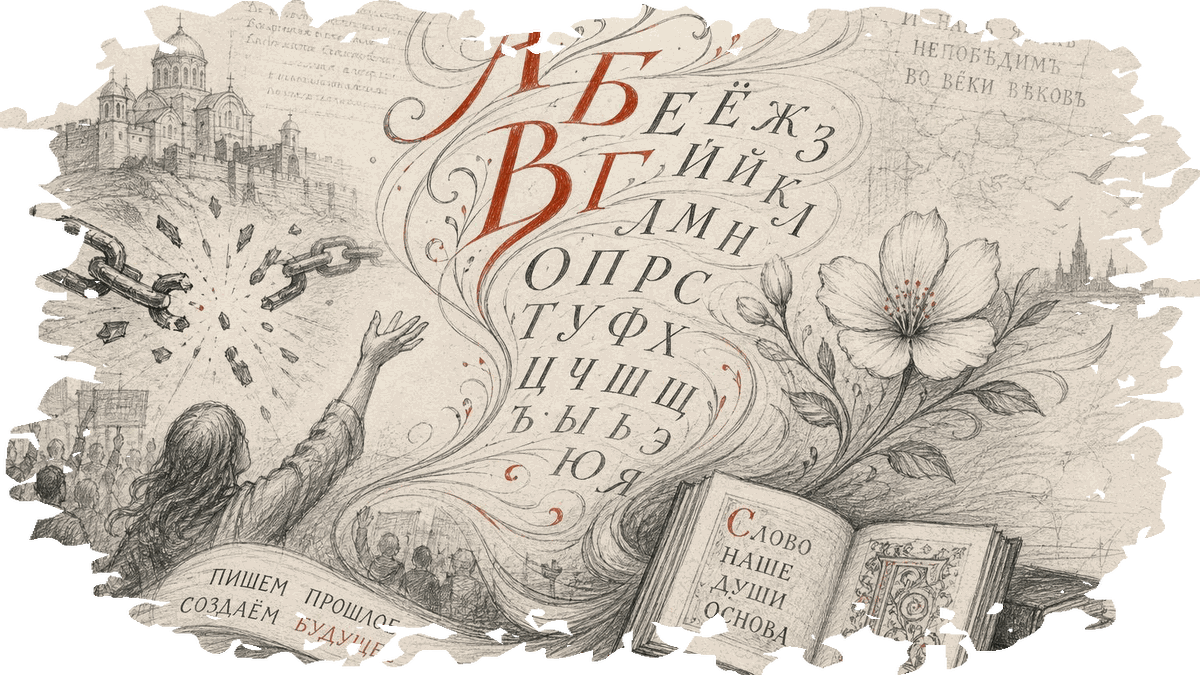
The “Cirilica in motion” exhibition has opened at the Graphic Collective Gallery in Belgrade, showcasing the beauty and cultural significance of the Cyrillic alphabet through a collection of selected works. This exhibition, which runs until December 11, 2026, is part of a competition aimed at finding the best graphic solutions featuring the Cyrillic script. The event seeks to promote the alphabet positively, in contrast to previous governmental approaches that relied on pressure and punitive measures.
The competition and subsequent exhibition are designed to highlight the creativity and cultural heritage associated with the Cyrillic alphabet. Olivera Stojadinović, writing in the exhibition catalog, explains that the Cyrillic alphabet has historically been the official script of the Serbian language, although the Latin script has also been used, particularly during the Yugoslav era when Serbo-Croatian was the common language. This dual-script tradition is considered a cultural asset, allowing for flexibility and richness in communication.
The exhibition emerges against a backdrop of political misuse of the Cyrillic alphabet, particularly in the 1990s, when it became associated with nationalism. Recent years have seen a resurgence of radical content written in Cyrillic, which has occupied public spaces and intensified its political connotations. However, the student protests have played a pivotal role in reshaping the perception of the Cyrillic script, using it on banners and printed materials to reclaim it as an integral part of Serbian cultural heritage.
Stojadinović emphasizes that the exhibition is a step towards dissociating the Cyrillic alphabet from political instrumentalization. Instead, it aims to present the script in a positive light, showcasing its aesthetic qualities and universal appeal. This approach contrasts with the previous government’s strategy of enforcing the use of Cyrillic through penalties, which only fostered public resentment.
The exhibition’s timing coincides with a broader cultural context in Serbia, where the use of both Cyrillic and Latin scripts continues to be a defining characteristic. The dual use of scripts is likened to the parallel use of currencies, such as the dinar and the euro, in the domestic payment system, illustrating the cultural wealth that comes from this linguistic flexibility.
As the exhibition continues, it offers an opportunity for the public to engage with the Cyrillic alphabet in a new way, appreciating its artistic and cultural value. The event not only celebrates the script’s beauty but also encourages a dialogue about its role in contemporary Serbian society and its potential to bridge cultural divides.



0 Comments