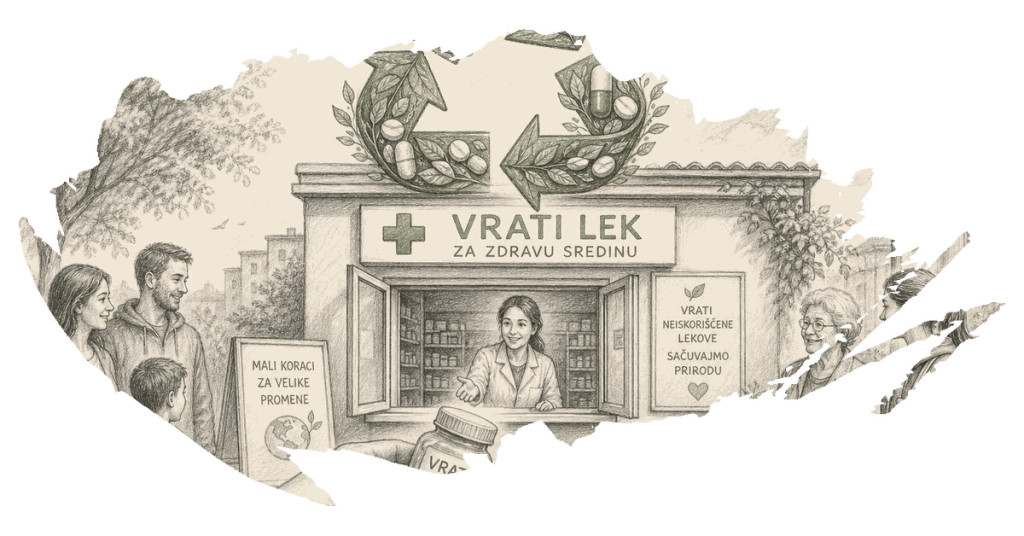
The Serbian Ministry of Environmental Protection has launched the “Vrati lek” project, a pilot initiative aimed at establishing a legal framework for the disposal of pharmaceutical waste. This project, which began on September 1, 2026, allows residents of Belgrade to return unused or expired medications to designated pharmacies free of charge. The initiative is part of a broader effort to prevent the improper disposal of pharmaceuticals, which can pose significant environmental risks.
The pilot project initially covers 13 pharmacies in the Belgrade municipality of Zvezdara. It is set to expand to Novi Sad in October and Niš in November, with each phase lasting one month. The Ministry, in collaboration with the Serbian Chamber of Commerce, aims to create a system for the collection, safe storage, transport, and disposal of pharmaceutical waste from households. This effort is intended to replace the longstanding practice of disposing of medications in household waste, water systems, or landfills, which can lead to environmental contamination.

Sara Pavkov, the Minister of Environmental Protection, emphasized the project’s significance in promoting environmental protection and responsible behavior among citizens. “Every medication that ends up being disposed of safely rather than in a trash can or drain is a small but important contribution to environmental protection,” Pavkov stated. The project aims to reduce the amount of pharmaceutical waste entering municipal waste streams and improve waste management systems.
The initiative focuses on non-hazardous pharmaceutical waste, such as antibiotics, medications for blood pressure, heart conditions, diabetes, pain relief, fever, cold, cough, and digestive issues. These medications can be returned to participating pharmacies, where they will be handled according to established safety procedures. However, the project does not cover hazardous waste, including cytostatics, radiopharmaceuticals, and blood or plasma-derived medications, which require specific storage and disposal conditions.
The project also excludes medical devices such as thermometers, syringes, needles, and dietary supplements, as well as cosmetic products. The Ministry has outlined a clear procedure for returning medications, which involves removing instructions and packaging for recycling and placing the medication in a clean bag for return to the pharmacy. This process is designed to ensure that medications are safely transported and disposed of without environmental harm.
By December, the Ministry plans to analyze the project’s success and consider expanding it nationwide in the following year. The project is part of a larger regulatory framework established by the Waste Management Act, adopted last year. This act provides specific guidelines for managing medical waste, highlighting the importance of proper disposal to protect both human health and the environment.
While the project marks a significant step towards sustainable waste management, its success will depend on public participation and the involvement of pharmacies. The Ministry hopes that the initiative will foster a culture of proper pharmaceutical waste management among citizens, making safe disposal a simple and accessible habit. The long-term goal is to integrate this system into everyday practices across Serbia, ensuring that pharmaceutical waste is handled responsibly and sustainably.