

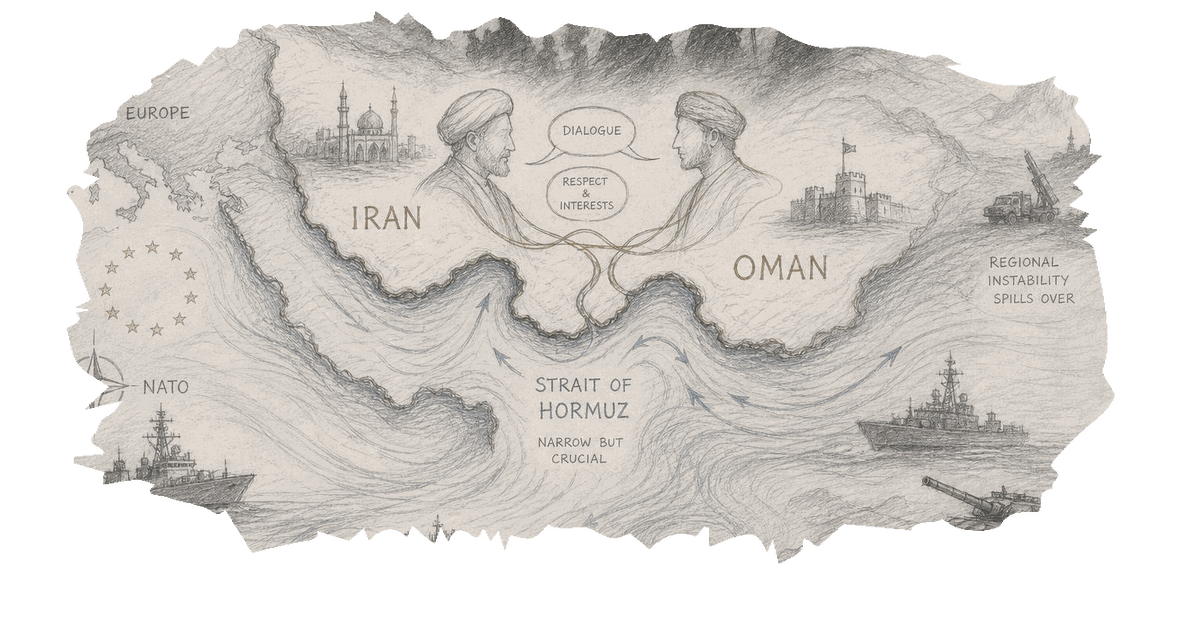
Negotiations between Iran and Oman over the shipping arrangements in the Strait of Hormuz are reportedly making progress, though the situation remains precarious. Iran has imposed significant conditions for reopening the strategic waterway, including demands for compensation for wartime damages and changes in American policy. These stipulations present challenges for the United States, which may find them difficult to accept. The Strait of Hormuz is a critical maritime passage for global oil shipments, and any disruptions could have significant economic implications.
The ongoing discussions are taking place against a backdrop of heightened regional tensions. Iran-aligned Houthi forces in Yemen continue to pose a threat to regional stability, with the potential to disrupt Saudi interests and vital shipping routes. This adds a layer of complexity to the negotiations, as any destabilizing actions could impact the fragile diplomatic efforts.

In the United States, concerns have been raised about the consumption of advanced military weapons, such as Patriot and THAAD missile-defense interceptors and Tomahawk cruise missiles. The prolonged conflict has put a strain on American military inventories, highlighting the need for strategic discipline in managing resources. The U.S. military remains the most powerful globally, but the rapid consumption of sophisticated weaponry underscores the challenges of maintaining readiness while balancing production times, supply chains, and costs.
The situation in the Strait of Hormuz is emblematic of broader geopolitical uncertainties. European nations, particularly those along NATO’s eastern flank, are increasingly wary of potential provocations from Russia, which could test the alliance’s resolve through ambiguous actions like cyberattacks or infrastructure sabotage. Such incidents could challenge NATO’s commitment to defending its member states and highlight the risks of miscalculation in international relations.
Meanwhile, migration issues continue to pressure European borders, as evidenced by recent events in Ceuta, Spain. Economic desperation and political instability have led to significant movements of people, raising questions about the balance between border security and human dignity. The democratization of warfare, exemplified by the use of inexpensive drones in Ukraine, further complicates the global security landscape. These technologies, initially developed for military use, are now being adapted by non-state actors, posing new challenges for governments worldwide.
Despite these challenges, diplomatic efforts persist. Oman continues to mediate discussions, and the United States is actively seeking a resolution to the conflict with Iran. While progress in negotiations does not guarantee peace, it represents a critical step towards de-escalation. The international community remains hopeful that dialogue can prevail over conflict, even as skepticism and distrust linger.
The ongoing negotiations and military readiness issues underscore the complexities of modern international relations. As countries navigate these challenges, the importance of strategic discipline and diplomatic engagement becomes increasingly evident. The outcomes of these efforts will have significant implications for regional stability and global security.




0 Comments