

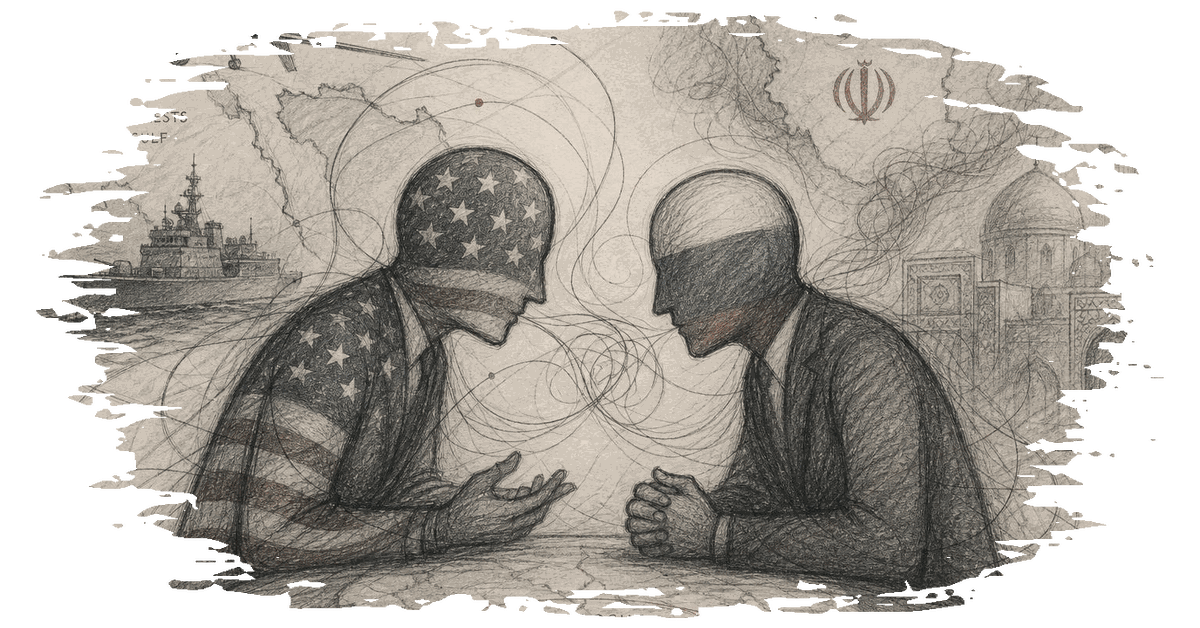
CIA Director John Ratcliffe’s recent visit to Moscow was reportedly centered on the conflict involving Iran rather than the previously suggested narrative of warning Russia against potential aggression towards NATO countries. This assertion comes from former Estonian President Toomas Hendrik Ilves, who expressed skepticism about the official explanation of the trip. According to Ilves, the visit was more likely related to concerns about Russia providing targeting information to Iranian forces, which poses a significant threat to U.S. military assets in the region.
Ilves, who remains an influential figure in European security discussions, shared his insights in an interview with EuroNews. He suggested that the real issue for the United States is Iran, particularly the alleged Russian assistance in helping Iranian forces identify and locate U.S. military positions. This situation has become a pressing concern as American military bases in the Gulf have reportedly suffered severe damage, prompting a strategic withdrawal to safer locations.

The official narrative, as reported by The Wall Street Journal, indicated that Ratcliffe’s visit was to deliver a warning to Russia not to attack NATO countries. However, Ilves questioned this explanation, noting that there had been no changes in the threat assessment for the Baltic states, which would have been a likely focus if the visit was indeed about NATO security. Estonian Foreign Minister Margus Tsahkna also confirmed that Estonia’s threat assessment remains unchanged.
The visit comes amid heightened tensions in the region, with U.S. intelligence accusing Russia of aiding Iran in military operations. This development is particularly concerning for the U.S., given the strategic importance of its military presence in the Gulf. The ongoing conflict with Iran, exacerbated by alleged Russian support, underscores the complex geopolitical dynamics at play.
The lack of official statements from both Russia and the U.S. regarding the specifics of the discussions during Ratcliffe’s visit adds to the uncertainty surrounding the trip. Kremlin spokesperson Dmitry Peskov confirmed that Ratcliffe met with Russian intelligence officials but did not meet President Vladimir Putin. Peskov described the talks as a “positive development” but noted that it was too early to determine their impact on U.S.-Russia relations.
The situation highlights the intricate web of alliances and conflicts in the region, with the U.S. navigating its relationships with both Russia and Iran. The alleged cooperation between Russia and Iran in military matters poses a significant challenge for U.S. strategic interests, particularly in maintaining its influence and security in the Gulf region.
As the geopolitical landscape continues to evolve, the implications of Ratcliffe’s visit and the underlying tensions between the U.S., Russia, and Iran remain a critical area of focus for international observers. The potential for further escalation or diplomatic resolutions will likely depend on the actions and responses of the involved parties in the coming months.



0 Comments