

Ana Brnabić, a prominent figure in the Serbian Progressive Party (SNS), has made significant allegations against opposition figures, accusing them of fostering a climate of hatred and violence in the lead-up to the upcoming elections. Speaking in Stepojevac, Brnabić specifically targeted Croatian journalist Domagoj Margetić and Serbian professor Jovo Bakić, claiming they are promoting a divisive and violent political agenda.
Brnabić accused Margetić of making inflammatory statements, including threats of violence against those who do not support the student list, a political group that has been gaining attention in Serbia. According to Brnabić, Margetić suggested that there are enough lampposts in Belgrade to hang those who do not vote for the student list, a statement she condemned as indicative of a broader politics of division and aggression.
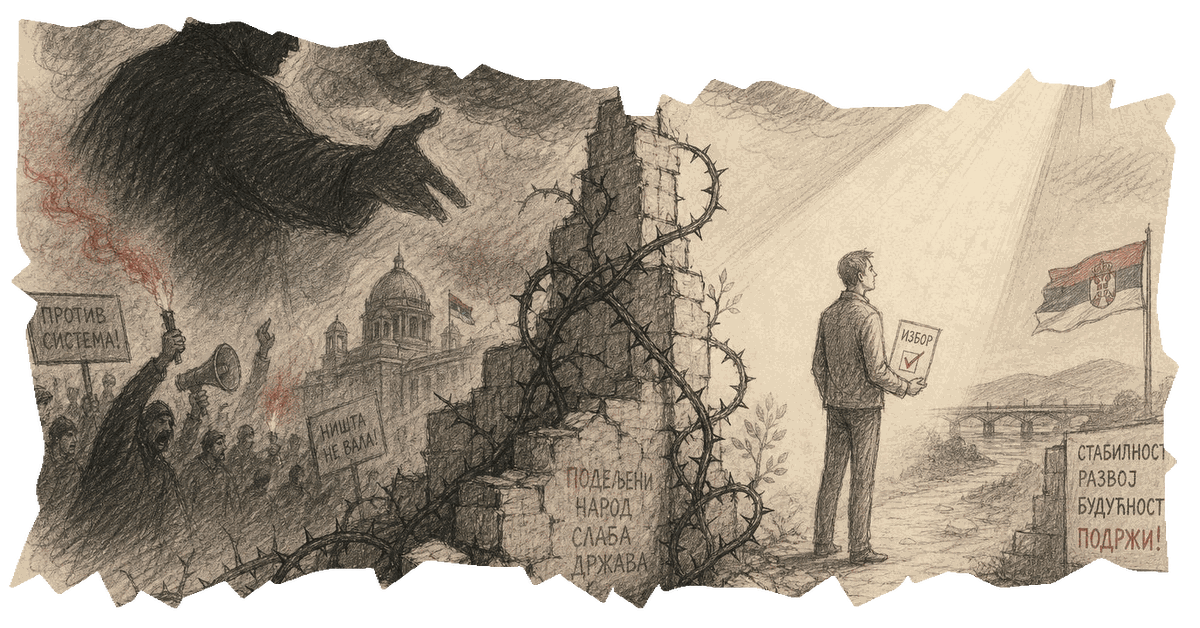
The vice president of the SNS Main Board and a member of its Presidency, Brnabić, urged Serbian citizens to vote for the “Aleksandar Vučić – Ujedinjena Srbija” list in the elections scheduled for October 25. She argued that this political choice would ensure stability in Serbia, contrasting it with what she described as the opposition’s agenda of hatred and division. Brnabić’s remarks were made during a gathering of SNS supporters, where she emphasized the importance of unity and dialogue for the country’s strength.
Brnabić also criticized the student list, describing it as a “blockader-student list” devoid of actual students or new faces. She alleged that the list is supported by individuals who previously led Serbia to economic ruin, closing over half a million jobs and apologizing for crimes against the Serbian people. She claimed that this list is backed by figures like Margetić and European Parliament member Tonino Picula, who she says wish to see a weakened Serbia.
The accusations against Margetić and Bakić come amid a tense political climate in Serbia, where the upcoming elections have heightened political divisions. The student list, which has not yet been officially published, has been a point of contention, with its supporters and detractors debating its composition and intentions.
In response to a journalist’s observation that Bakić has made similar statements to Margetić, Brnabić agreed, noting that the student list has not distanced itself from Bakić’s rhetoric. She accused the list of endorsing messages of hatred and calls for violence, suggesting that their inclusion of Bakić in their campaign is a deliberate signal to mainstream Serbia.
Brnabić’s statements reflect the ongoing polarization in Serbian politics, where accusations of violence and extremism are not uncommon. The political landscape is characterized by a struggle between the ruling SNS and various opposition groups, each vying for influence and support ahead of the elections.
The allegations made by Brnabić have not been independently verified, and there is a risk that such rhetoric could exacerbate existing tensions. The opposition’s perspective on these accusations has not been detailed in the current reports, leaving a gap in the narrative that could provide a more balanced view of the political dynamics at play.
As Serbia approaches the elections, the political discourse is likely to remain charged, with parties and their leaders emphasizing different visions for the country’s future. The outcome of the elections could have significant implications for Serbia’s political stability and its path forward.




0 Comments