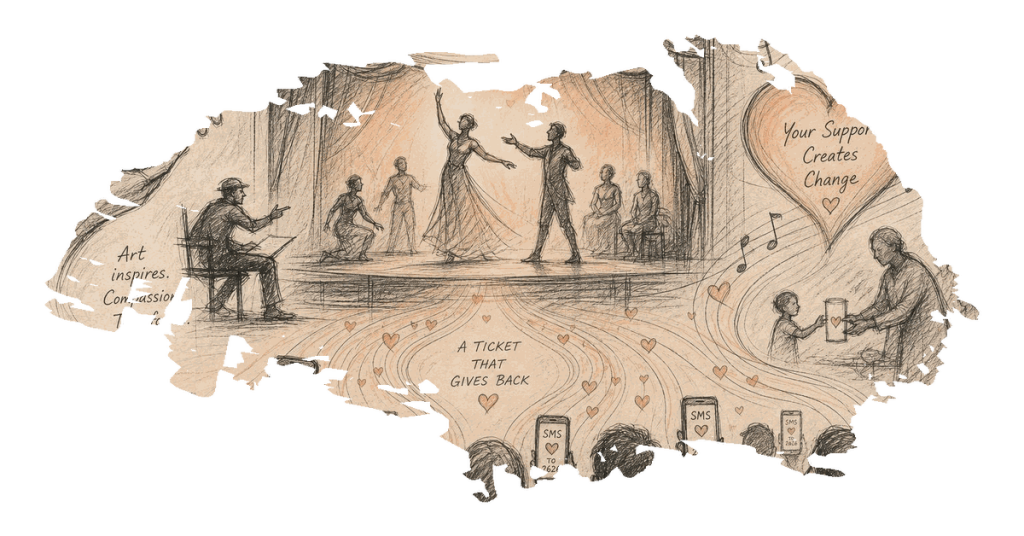
The Teatar Fondacije Mozzart in Dorćol, Belgrade, is set to launch its new season this September with a distinctive humanitarian approach to ticketing. Instead of purchasing traditional tickets, attendees are invited to send a humanitarian SMS message, a model that has already proven successful in its inaugural season. This innovative approach not only grants access to theatrical performances but also contributes to charitable causes, raising over 11 million dinars for medical treatments during its first year.
The theater’s mission is to merge the arts with humanitarian efforts, creating a unique cultural space where each performance is an opportunity to support those in need. This model, which doubles the impact of each SMS donation through matching contributions from the Mozzart Foundation, has been praised by both the public and the artists involved.

Actors and directors participating in the theater emphasize the significance of this model. Irfan Mensur, who directed the play “Španska pita” at the theater, expressed admiration for the initiative, highlighting the audience’s role in directly contributing to fundraising efforts. Similarly, actor Milovan Filipović, who performed in several productions at the theater, noted the importance of solidarity and empathy in today’s world, commending the Mozzart Foundation for successfully integrating these values into their cultural offerings.
The theater’s repertoire includes a variety of performances, with notable productions from the previous season such as “Prah,” directed by Egon Savin and featuring actors Nataša Ninković and Zoran Cvijanović, and “Bašta sljezove boje,” which showcased the talents of Nebojša Milovanović. The season concluded with the premiere of “Rejting tajm,” a play that pushed the boundaries of theatrical performance under the direction of Darko Bajić.
As the Teatar Fondacije Mozzart prepares for its upcoming season, it aims to continue its mission of combining culture and humanitarianism. The theater’s unique approach not only enriches the cultural landscape of Belgrade but also fosters a sense of community and support among its audiences. The challenge remains to sustain this model in the long term, ensuring that the theater can continue to operate while maintaining its commitment to social causes.
The broader context of using art for humanitarian purposes is not new in Serbia, where cultural initiatives have often been leveraged for social change and community engagement. However, the Teatar Fondacije Mozzart’s model stands out for its direct impact and the tangible results it has achieved in a short period.
Looking ahead, the theater’s success will depend on its ability to attract audiences willing to engage with its humanitarian mission and the continued support from the Mozzart Foundation. The initiative sets a precedent for how cultural institutions can play an active role in addressing societal needs, demonstrating the power of art to effect positive change beyond the confines of the stage.