

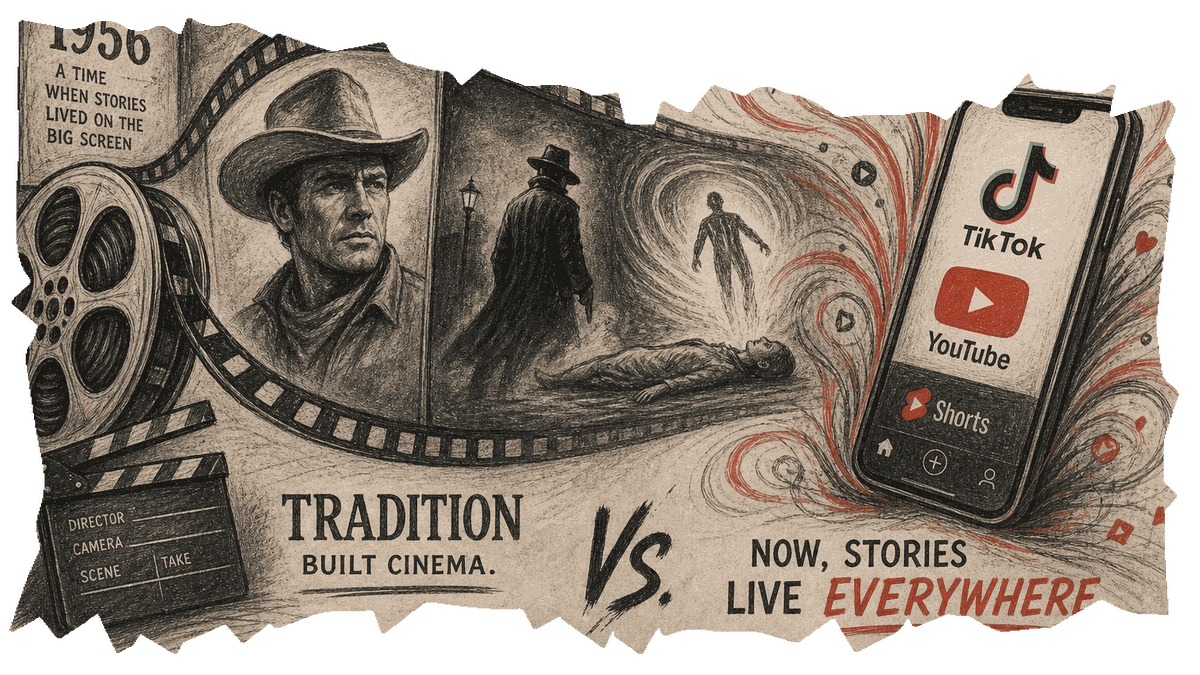
In 1956, Hollywood was undergoing significant transformations, much like the current cinematic landscape in 2026. The film industry of that era was grappling with the rise of television, which was dividing audiences and causing studios to panic. In response, studios increasingly relied on spectacle and widescreen formats to captivate viewers, a strategy reminiscent of today’s reliance on digital platforms like TikTok and YouTube to reach audiences. This parallel raises questions about the future of film and storytelling in the digital age.
The year 1956 is etched in cinematic history due to several groundbreaking films that contributed to the evolution of filmmaking. Among these were “The Searchers” by John Ford, “The Killing” by Stanley Kubrick, “A Man Escaped” by Robert Bresson, “Invasion of the Body Snatchers” by Don Siegel, and “Written on the Wind” by Douglas Sirk. Each of these films, in its own way, pushed the boundaries of cinematic language and left a lasting impact on the industry.

“The Searchers,” directed by John Ford, featured one of the most complex protagonists in film history, portrayed by John Wayne. The film’s iconic closing shot, which has been emulated countless times over the years, continues to resonate as a defining moment in Western mythology. Meanwhile, Stanley Kubrick’s “The Killing” showcased his early mastery of filmmaking, with its fragmented narrative and meticulous attention to detail, foreshadowing the director’s future successes.
Robert Bresson’s “A Man Escaped” offered a different cinematic experience, focusing on the minimalist aesthetics that would become his signature style. The film’s portrayal of a French Resistance member’s escape from a Nazi prison was both a physical and spiritual journey, emphasizing movement and sound in a way that was both profound and accessible.
Don Siegel’s “Invasion of the Body Snatchers” explored themes of conformity and identity, creating an atmosphere of unease that remains relevant today. The film’s narrative about alien duplicates replacing humans in a small town served as a metaphor for societal pressures and continues to be a poignant commentary on contemporary issues.
Douglas Sirk’s “Written on the Wind” used melodrama to critique the emptiness of privileged life, employing stylized compositions and vibrant colors to convey emotional depth. This film exemplified Sirk’s ability to blend social critique with artistic expression, making it a standout in the melodrama genre.
These films from 1956 not only defined an era but also laid the groundwork for future cinematic innovations. They demonstrated how filmmakers could use the medium to explore complex themes and push the boundaries of storytelling. As the film industry continues to evolve, these works serve as a reminder of the enduring power of cinema to reflect and influence society.
In 2026, the film industry faces new challenges and opportunities with the rise of digital platforms. Just as television once disrupted traditional cinema, platforms like TikTok and YouTube are reshaping how stories are told and consumed. The question remains whether today’s digital content creators will be viewed with the same reverence as the filmmakers of 1956 in the decades to come. The ongoing evolution of storytelling underscores the dynamic nature of cinema and its ability to adapt to changing cultural landscapes.

0 Comments