

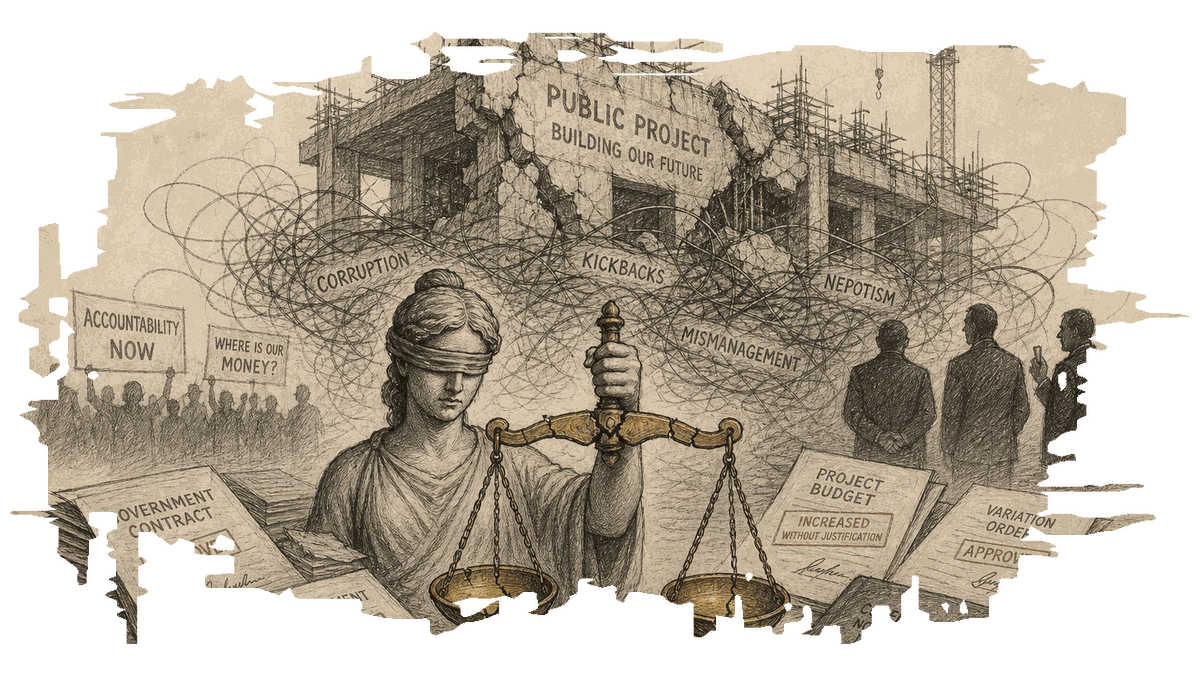
Six officials from the Leskovac City Administration were arrested on November 19, 2026, as part of an investigation into alleged corruption related to a public procurement project that significantly exceeded its budget. The Ministry of Internal Affairs conducted the arrests following a two-year inquiry into the financial discrepancies surrounding the construction of Radoša Cerovića Street, which was completed in August 2023.
The project, initially budgeted at approximately 41 million dinars, ultimately cost nearly 96 million dinars. Among those arrested was Zoran Novaković, head of the Public Procurement Department, who, along with other officials, is suspected of abuse of office. The Ministry’s statement indicated that Novaković signed a contract on April 16, 2023, with a contractor from Novi Sad, despite knowing the budget constraints set by the city’s procurement plan.
The arrested individuals, who include Marija Milosavljević, head of the Finance Department, and Danijel Stojković, former head of the Department for Communal and Housing Affairs, Traffic, and Infrastructure, face charges of abuse related to the public procurement process. Additionally, a warrant has been issued for D. S., the owner and director of the Novi Sad-based company GAT, who is currently at large.
The construction of Radoša Cerovića Street, located near the new city stadium, has been under scrutiny since its completion due to the significant budget overrun. The final cost of the 560.49-meter road reached 95,989,771 dinars, a figure that far exceeded the originally contracted amount. The project was executed by GAT DOO, and the cost increase was attributed to unforeseen circumstances, surplus and deficit works, and additional necessary tasks to complete the project.
The investigation into this project began after concerns were raised about the financial management and potential irregularities. In January 2025, opposition member Nenad Zdravković called for a detailed investigation, citing reports of multiple city department heads being questioned. The situation was further highlighted in September 2025 when Zdravković predicted further arrests related to the street’s construction.
The arrests have significant implications for local governance and public trust in Leskovac’s administration. The ongoing investigation may lead to additional arrests or charges as authorities continue to examine the roles and responsibilities of those involved. The case underscores the challenges of ensuring transparency and accountability in public procurement processes, a concern echoed by local civic groups and opposition figures.
As the investigation progresses, the focus remains on understanding the extent of the alleged corruption and its impact on public funds and governance. The outcome of this case could influence future procurement practices and the implementation of stricter oversight mechanisms to prevent similar occurrences.




0 Comments