

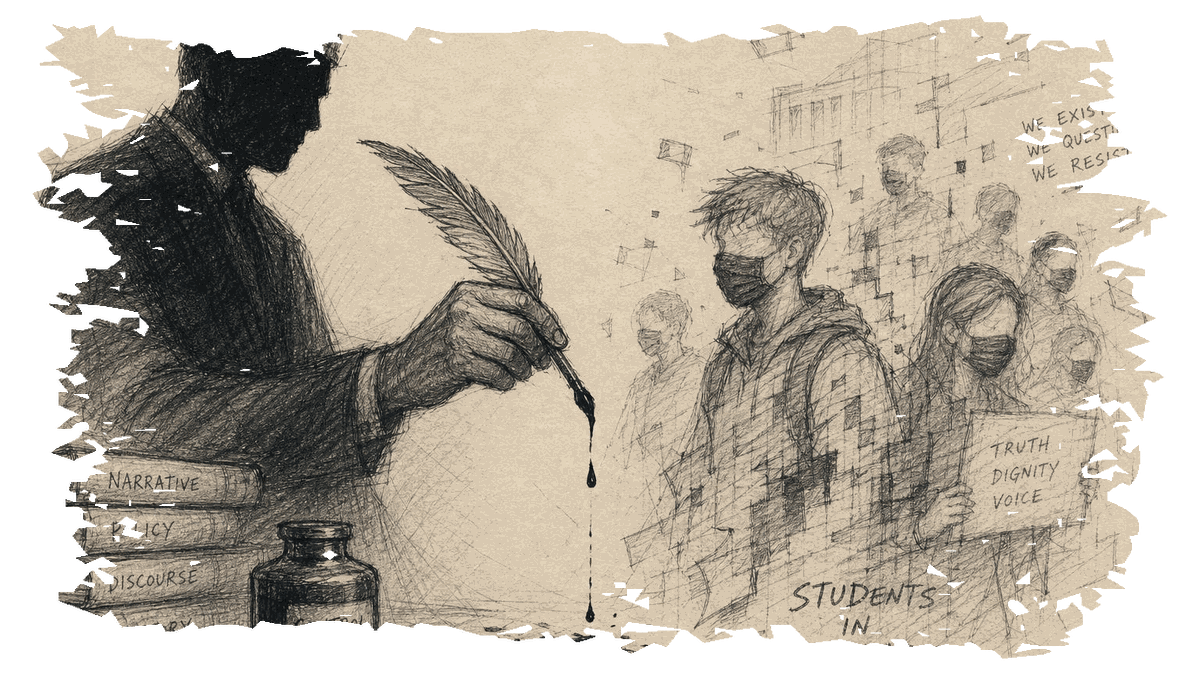
In a recent column, Nebojša Bakarec, a member of the Serbian Progressive Party (SNS) and a prominent political figure, criticized the “Students in Blockade” movement, labeling it as a government mouthpiece rather than a genuine representative of student interests. Bakarec’s commentary, published on November 15, 2026, in Informer, raises questions about the legitimacy and literacy of the movement’s representatives.
Bakarec’s critique centers on a social media post by the “Students in Blockade” group, which he claims is fraught with grammatical errors. He argues that these mistakes reflect poorly on the group’s competence and credibility as representatives of the student body. The post in question, written in Cyrillic, contained three significant errors in an eight-word sentence, which Bakarec highlighted to underscore his point. He described the errors as indicative of the group’s functional illiteracy, using this as a basis to question their ability to represent student interests effectively.
The “Students in Blockade” movement, according to Bakarec, serves as a tool for the current government, which he refers to as the “fake Students’ List.” He alleges that the group’s communications are filled with unlawful directives and misinterpretations of reality, drawing a parallel to the dystopian themes in George Orwell’s “1984.” Bakarec suggests that the movement’s anonymous nature and its lack of transparency regarding its leadership further undermine its legitimacy.
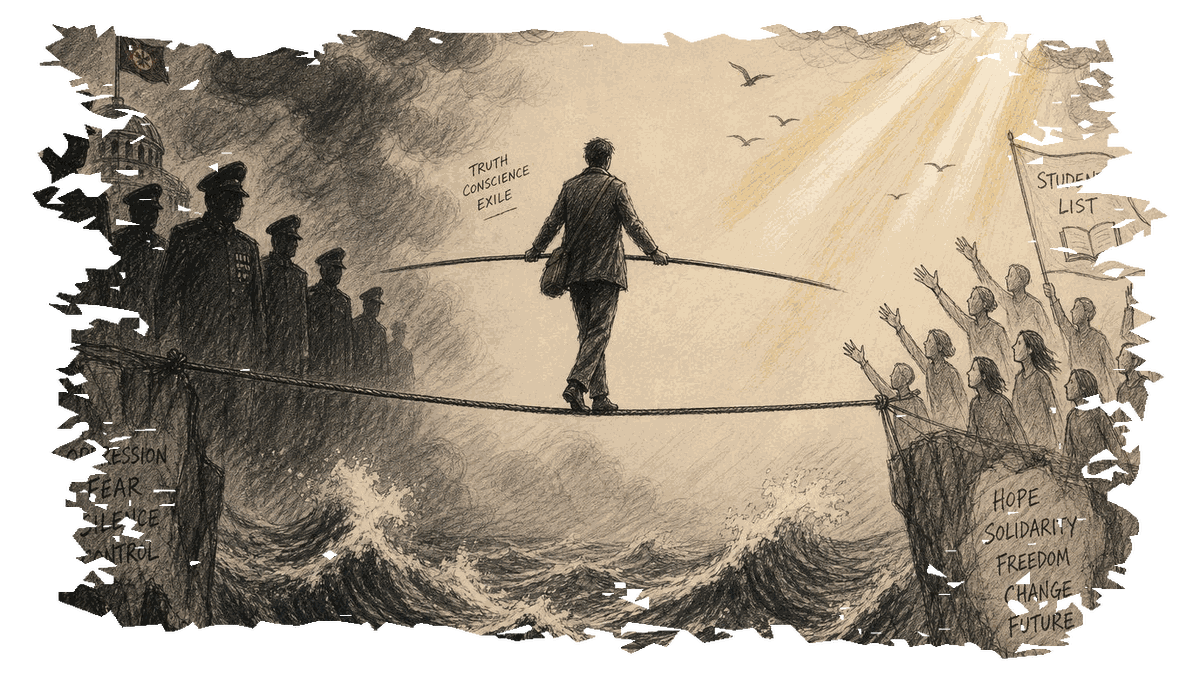
This critique comes in the wake of the Students’ List’s recent electoral victory, which marked a significant political shift in Serbia. The Students’ List, a political movement that emerged from student protests, has been navigating the transition from activism to governance. This transition has not been without its challenges, as previous reports have highlighted internal tensions within the movement regarding decision-making processes and governance strategies.
Bakarec’s column has sparked debate about the role and representation of student movements in Serbian politics. While his critique may be seen as politically motivated, it raises important questions about the transparency and accountability of such movements. The “Students in Blockade” group has yet to respond to Bakarec’s allegations, and it remains to be seen how this critique will impact their standing and influence.
The broader context of this critique involves ongoing discussions about the legitimacy and effectiveness of new political movements in Serbia, particularly those that have risen to prominence through grassroots activism. As the Students’ List continues to establish itself in the political arena, the scrutiny of its affiliated groups and their communications will likely persist, influencing public perception and political dynamics in the country.

0 Comments