

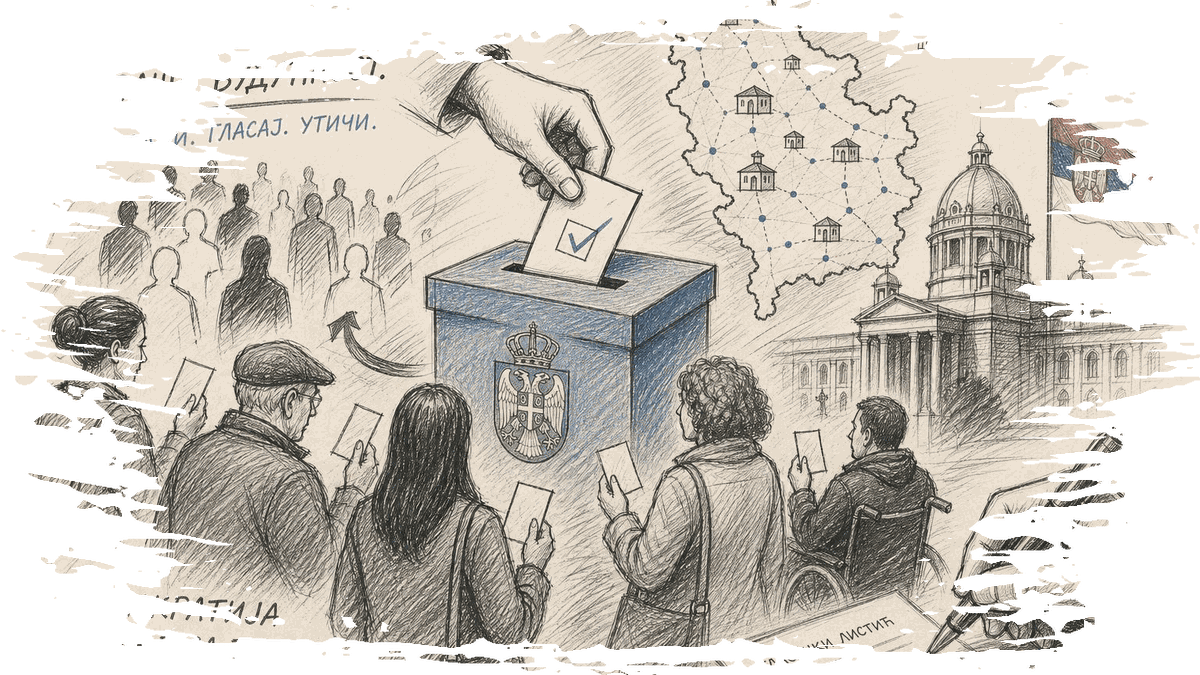
The extraordinary parliamentary elections in Serbia concluded on October 25, 2026, with a reported voter turnout of 64.89% by 18:00, according to the Republic Election Commission (RIK). The elections, which were held to elect 250 members of the National Assembly, saw 6,451,292 registered voters casting their ballots at 8,392 polling stations across the country, including 93 locations abroad. The electoral process involved 18 electoral lists featuring a total of 2,418 candidates, of which nine were minority lists.
The elections were marked by significant public engagement, with reports of long lines at polling stations in major cities such as Belgrade, Novi Sad, Čačak, and Šabac. Notably, there were also considerable queues at polling stations designated for Serbian voters from Kosovo, located in Raška, Vranje, and Rudnica. The high voter turnout and the formation of lines even before the official opening of polling stations at 7:00 am underscored the public’s keen interest in this electoral process.

In Zaječar, all polling stations were reported to have opened on time, with no significant irregularities, according to Nenad Dinulović, the President of the City Election Commission. He noted that any issues encountered were minor technical matters that were addressed promptly. Similarly, in Novi Sad, polling stations opened as scheduled, with a high number of voters turning out early in the morning. Siniša Ljubičić, a member of the City Election Commission, highlighted that 336,807 citizens in Novi Sad were eligible to vote, with lines forming as early as 5:00 am, two hours before the polls officially opened.
Prominent political figures participated in the voting process, including Aleksandar Vučić, leader of the “Aleksandar Vučić – United Serbia” list, who voted in New Belgrade alongside his wife. Ana Brnabić, acting President of Serbia and a candidate on the same list, cast her vote at a polling station in a design school in Belgrade. Other notable figures, such as the Minister of Foreign Affairs Marko Đurić and the Minister of Finance Siniša Mali, also exercised their voting rights early in the day.
The elections were conducted amid a backdrop of previous controversies and allegations of irregularities in Serbian elections. The political landscape has been dominated by the Serbian Progressive Party (SNS) and its leader, Aleksandar Vučić, for several years. However, the participation of multiple electoral lists and the high voter turnout suggest a dynamic electoral environment with potential implications for Serbia’s political future.
As the polls closed at 20:00, the electoral silence, which prohibited the promotion of candidates and their programs, also came to an end. While the immediate outcomes of the elections are pending, the high voter engagement and the smooth conduct of the voting process, as reported, indicate a significant level of public interest and involvement in shaping the country’s governance.
The final results and their implications for Serbia’s political landscape remain to be seen, with the potential for shifts in governance depending on the election outcomes. The process was closely monitored, and any emerging controversies or claims of irregularities are likely to be scrutinized as the results are finalized.


0 Comments