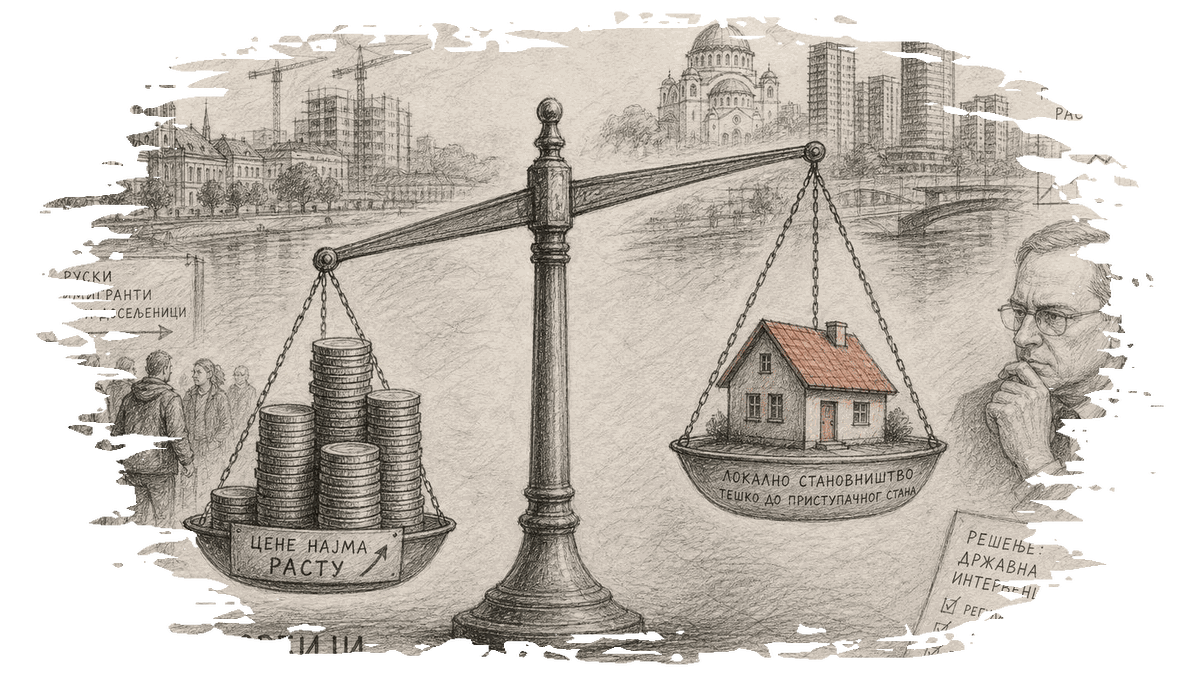
A significant increase in rental prices in Serbia, particularly in Novi Sad, has been observed due to a new wave of Russian immigrants arriving in the country. According to real estate agents, rental prices have surged by approximately 30% over the past two months as demand from Russian citizens continues to rise. This influx has led to a competitive rental market where apartments that previously rented for 1,000 euros are now going for 1,300 euros, and those that cost 400 euros have increased to 600 euros.
Andrej Stokić, a real estate agent from Attico Group, noted that the demand for housing is outstripping supply, making it challenging for the market to accommodate the new arrivals. Stokić mentioned that this wave of immigration began around two months ago and is expected to continue, with flights to Serbia reportedly booked well in advance. Nikola Čobić, another real estate agent from CityExpert, confirmed the strong pressure on the Belgrade market, highlighting that the behavior of new Russian renters differs from those who arrived during the initial wave in 2022. “They are much more cautious and do not rush into renting just anything at any price,” Čobić observed.

The first significant influx of Russian citizens to Serbia occurred in 2022, following Russian President Vladimir Putin’s announcement of partial mobilization. That year, over 19,000 Russians immigrated to Serbia, with nearly 23,000 arriving in 2023. These numbers contrast sharply with the pre-war annual immigration figures of 500 to 2,000 Russian citizens. During the initial influx, rental prices skyrocketed by up to 200%, but they started to stabilize by the end of 2023. However, they have not returned to pre-war levels. The recent wave of immigration is once again exerting pressure on the housing market, raising concerns about affordability for local residents.
Economist Milojko Arsić pointed out that the problem of affordable housing in Serbia predates the current influx of Russians. He suggested that increasing the supply of housing, granting more permits for private construction, and state involvement in building new settlements could be long-term solutions. Arsić cited the Stepa Stepanović neighborhood in Belgrade as an example of successful state involvement in housing. He criticized the focus on high-end developments like Belgrade Waterfront, which cater to the wealthy, while neglecting affordable housing for the general population.
The ongoing rise in rental prices poses challenges for Serbian citizens, especially those with average incomes. As rental costs consume a larger portion of their earnings, they may be forced to seek smaller apartments or move to less expensive areas. Despite these challenges, Arsić noted that the arrival of foreigners could have positive economic effects by increasing demand for other goods and services and contributing to economic growth in Serbia.
The new wave of Russian immigration has highlighted the existing issues within Serbia’s housing market. While the influx has exacerbated the situation, the underlying problems of affordability and supply have been longstanding. As the demand for housing continues to grow, the Serbian government faces pressure to implement measures that address these challenges and ensure that housing remains accessible to all residents.