

As Serbia approaches its early parliamentary elections scheduled for October 25, 2026, the political landscape is charged with anticipation over a potential televised debate between President Aleksandar Vučić and opposition candidates. Vučić, who has been a prominent figure in Serbian politics, has notably avoided participating in TV debates for over a decade, a fact that has sparked considerable debate about his willingness to engage directly with his political opponents.
The upcoming elections are set against a backdrop of significant political tension and maneuvering. Vučić, who has been the President of Serbia, announced his intention to resign from the presidency and run for the position of Prime Minister. This move is part of his strategy to campaign as an “ordinary” citizen, using his personal vehicle for campaign activities. Despite his public persona of being a courageous leader, Vučić has consistently avoided direct debates with opposition figures, opting instead for controlled media appearances where he often delivers lengthy monologues.
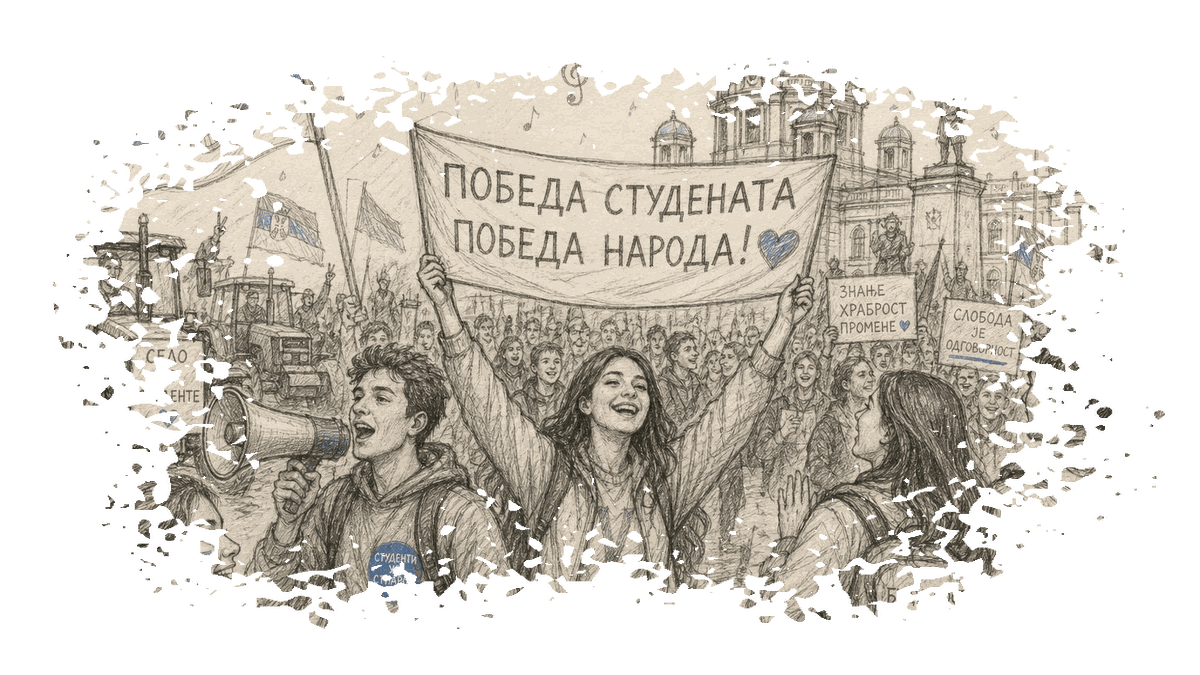
The opposition, on the other hand, is gearing up for a robust challenge. Key figures such as Marinika Tepić, Zdravko Ponoš, and Miroslav Aleksić are expected to confront Vučić in a debate. These candidates are part of a pro-European coalition that seeks to challenge the ruling Serbian Progressive Party (SNS) and advocate for Serbia’s integration into the European Union. The coalition, led by Tepić and Ponoš, emphasizes the need for rule of law, free elections, and tackling corruption, aiming to resonate with voters who desire change and alignment with European values.
The potential debate is seen as a critical platform for the opposition to present their policies and challenge the incumbent’s record. Public debates are a staple of democratic elections, providing voters with the opportunity to assess candidates’ policies and personalities. However, Vučić’s reluctance to participate in such forums has been a point of contention, with critics arguing that it undermines the democratic process.
The anticipation of a TV debate also highlights the broader political dynamics in Serbia. The opposition’s readiness to engage in debates is viewed as a measure of their campaign strategy and commitment to transparency. For Vučić, participating in a debate could be an opportunity to address criticisms and present his vision for the future of Serbia. However, his historical avoidance raises questions about his campaign strategy and the potential impact on voter perceptions.
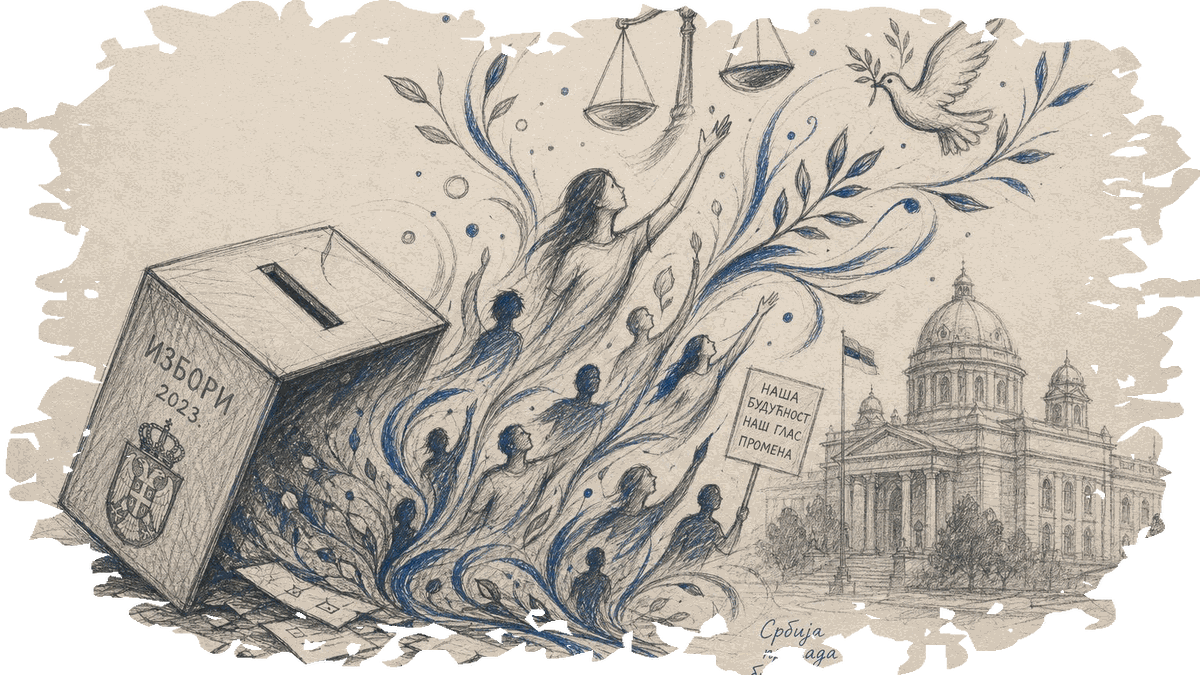
As the election date approaches, the political atmosphere in Serbia remains tense. The outcome of the elections could have significant implications for the country’s governance and its path towards European integration. While the possibility of a televised debate remains uncertain, its occurrence could be pivotal in shaping the electoral landscape and influencing voter decisions. The Serbian electorate, facing a choice between continuity and change, will ultimately decide the direction of the country’s political future.
0 Comments