Serbian President Aleksandar Vučić has officially announced his candidacy for the upcoming elections scheduled for October 25. In a move that has raised eyebrows both domestically and internationally, Vučić has proposed a significant restructuring of the government, aiming for a smaller cabinet with only 12 ministers. This restructuring, according to Vučić, is intended to enhance efficiency and responsibility, aligning with what he describes as Scandinavian standards. Moreover, he has pledged that 40% of state secretary positions will be filled by women, a move that could be seen as an attempt to modernize the administration’s gender representation.
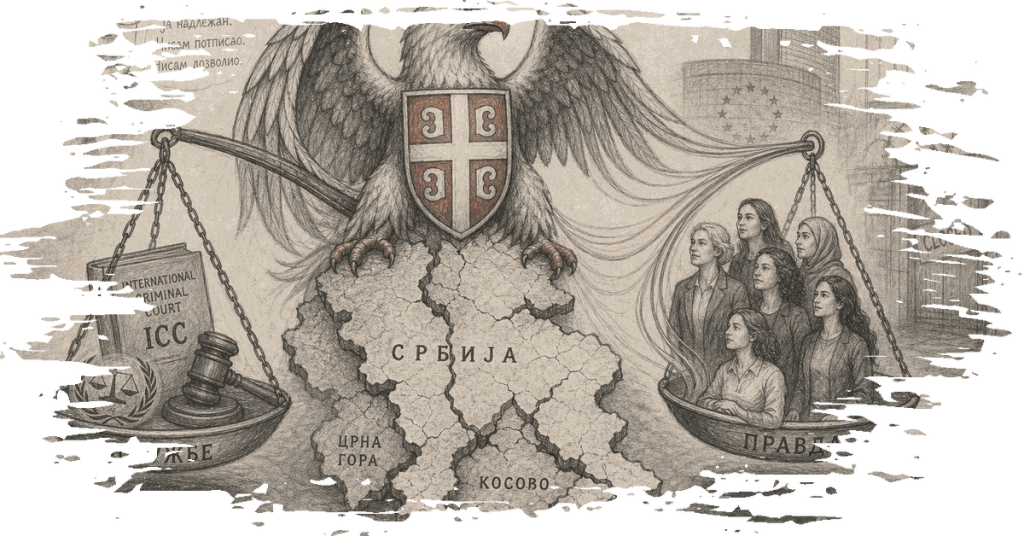
However, it is Vučić’s comments regarding international courts and Serbia’s potential withdrawal from international obligations that have sparked the most concern. During a recent address, he criticized what he described as “unjust international courts” and suggested that Serbia might consider joining a broader movement to dismantle these institutions, a sentiment he likened to former U.S. President Donald Trump’s stance on international bodies. Vučić’s remarks have been interpreted by some as a possible shift in Serbia’s foreign policy, which could have far-reaching implications for its international relations.

These statements come at a time when Serbia’s political landscape is already fraught with tension. Vučić’s administration has faced criticism for its handling of international relations and domestic policies, with historical grievances stemming from the dissolution of Yugoslavia still influencing public sentiment. Vučić’s rhetoric, which includes blaming past administrations for the secession of Montenegro and the declaration of Kosovo’s independence, continues to resonate with certain segments of the Serbian population.
The potential withdrawal from international obligations, as hinted by Vučić, raises questions about Serbia’s future interactions with entities such as the United Nations and the European Union. The implications of such a move are not fully explored, leaving room for speculation about the reactions from these international bodies and Serbia’s allies. Critics argue that Vučić’s statements could lead to Serbia’s further isolation on the global stage, reminiscent of the country’s position during the early 1990s under Slobodan Milošević.
Vučić’s comparison of Serbia to global powers like the United States has been met with skepticism. Analysts point out that Serbia lacks the geopolitical influence to unilaterally challenge the existing international order. The President’s comments have been seen as an attempt to rally nationalist sentiment ahead of the elections, appealing to those who feel disenfranchised by the current international system.
The domestic reception of Vučić’s proposals and statements remains uncertain. While his supporters may view the proposed government restructuring and critique of international institutions as bold and necessary steps, opponents are likely to see them as further evidence of Vučić’s autocratic tendencies. The Serbian public and political opposition will play a crucial role in determining the success of Vučić’s campaign and the potential implementation of his proposed policies.
As the election date approaches, the international community will be closely watching Serbia’s political developments. Vučić’s rhetoric and policy proposals could significantly impact Serbia’s standing in the international arena, influencing not only its diplomatic relations but also its economic partnerships and regional stability. The coming weeks will be critical in shaping the future trajectory of Serbia under Vučić’s leadership, as both domestic and international stakeholders assess the potential consequences of his administration’s evolving stance.