

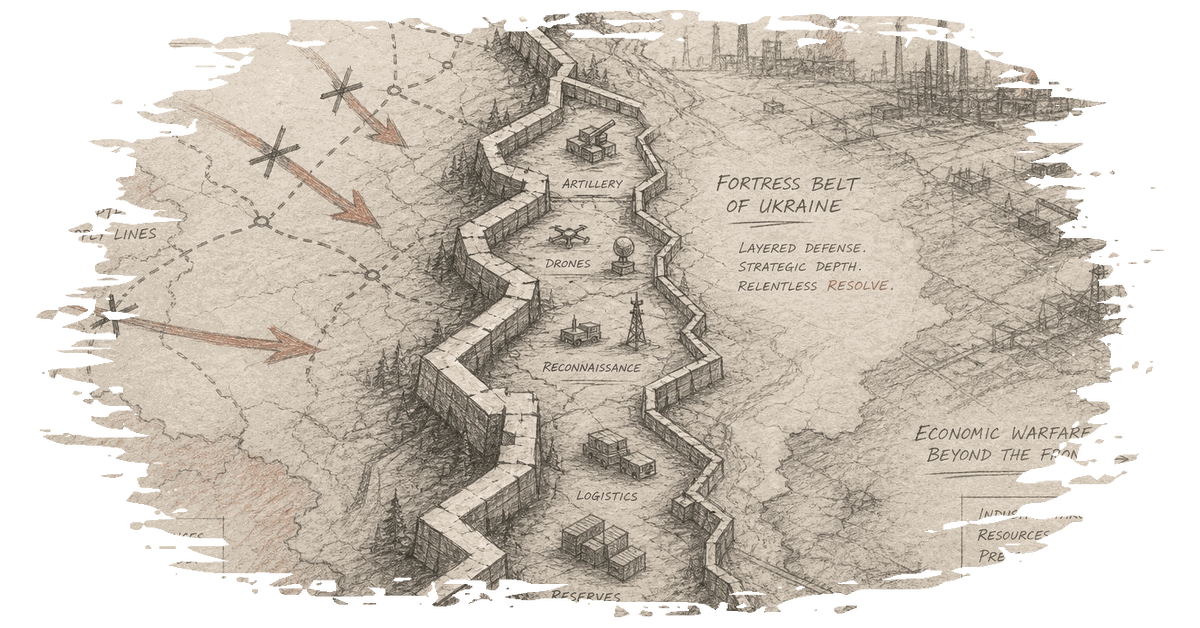
Ukraine has bolstered its defenses in the eastern Donetsk region as it seeks to disrupt Russian supply lines amid the ongoing conflict. This strategic shift comes as Russian forces intensify their efforts to capture Sloviansk, a critical city within Ukraine’s “fortress belt,” which includes Kramatorsk, Druzhkivka, and Kostiantynivka. The reinforcement of Ukrainian defenses in Donetsk is part of a broader strategy to target Russian ballistic missile production and launch capabilities, utilizing European-supplied weapons, including the recently transferred Storm Shadow cruise missile technology from Britain and France.
Ukrainian Commander-in-Chief Mykhailo Drapatyi, in his first major decision since assuming command, reinforced two units defending Sloviansk on August 26. Despite Russian infiltration attempts in Kostiantynivka, Ukraine maintains control over central and northern parts of the city. Ukrainian military observer Kostyantyn Mashovets confirmed these positions, highlighting the ongoing struggle for territorial control in the region.

Ukrainian President Volodymyr Zelenskyy reported significant Russian casualties, estimating 267,000 losses this year, with 70-80 percent occurring on the Kostiantynivka front. These figures, however, remain difficult to independently verify due to the fluid nature of the conflict. Russian Commander-in-Chief Valery Gerasimov claimed that Russian troops were within four kilometers of Sloviansk, but independent maps from Deep State and the Institute for the Study of War suggest they are still between 12 and 16 kilometers away.
Ukraine’s military strategy includes targeting Russian supply lines by striking storage facilities, airfields, and transport routes. This approach has reportedly brought Russian advances to a halt, with the Institute for the Study of War estimating that Russia has lost 27 square kilometers of territory in August and at least 233 square kilometers this year. Notably, Ukraine destroyed 18 buildings storing aerial drones at the Primorsko-Akhtarsk airfield in Krasnodar Krai and multiple fighter jets at various airfields, including Crimea’s Saky airfield.
In addition to military targets, Ukraine has engaged in economic warfare, striking Russian refineries 31 times since June, significantly reducing Russia’s oil refining capacity. Ukrainian drone strikes have reportedly removed 25-30 percent of this capacity, according to the Russian Union of Industrialists and Entrepreneurs and corroborated by the Financial Times. This campaign has also targeted Russian online retailers, causing substantial economic damage.
In response, Russia has launched strikes on Ukrainian cities, claiming these are retaliatory measures against Ukrainian actions targeting Russian civilian and industrial facilities. Russian President Vladimir Putin accused Ukraine of opening “Pandora’s box” by attempting to damage Russia’s economy. Russia has also targeted Ukraine’s main grain exporting ports, further complicating the economic situation in the region.
The conflict’s current phase underscores the evolving military strategies and the significant impact on both military and civilian infrastructure. As Ukraine continues to fortify its defenses and target Russian supply lines, the situation remains highly dynamic, with potential implications for the broader regional stability and international relations.



0 Comments