

A recent report from Serbia’s Traffic Safety Agency has highlighted significant gender disparities in driving safety, revealing that men are predominantly responsible for traffic accidents and fatalities. In 2024, men accounted for 90.3% of driver fatalities in Serbia, with 149 male drivers killed compared to 16 female drivers. This pattern extends to the broader category of all traffic participants, where men comprised 78% of the 514 fatalities recorded that year.
The report underscores that men were responsible for 84% of traffic accidents over a five-year period, while women caused only 16%. This discrepancy is even more pronounced in accidents with tragic outcomes, where men were involved in 93% of such incidents. Despite women being less represented among drivers, the disparity in the severity of accidents they cause is notably larger than their representation on the road.

The data also highlights differences in traffic violations by gender. In the first ten months of 2022, men constituted 84% of recorded traffic offenders, while women made up 16%. Specifically, women accounted for only about 7% of those penalized for driving under the influence of alcohol and between 1% and 2% for driving under the influence of psychoactive substances. They were also less frequently penalized for improper overtaking and driving technically unsafe vehicles.
Globally, the World Health Organization reports that men are approximately three times more likely to die in traffic accidents than women, a trend mirrored in the European Union and the United States. In the EU in 2024, men made up about three-quarters of all traffic fatalities. Similarly, in the U.S., men were involved in 48% more fatal crashes than women, even accounting for the greater distances typically driven by men.
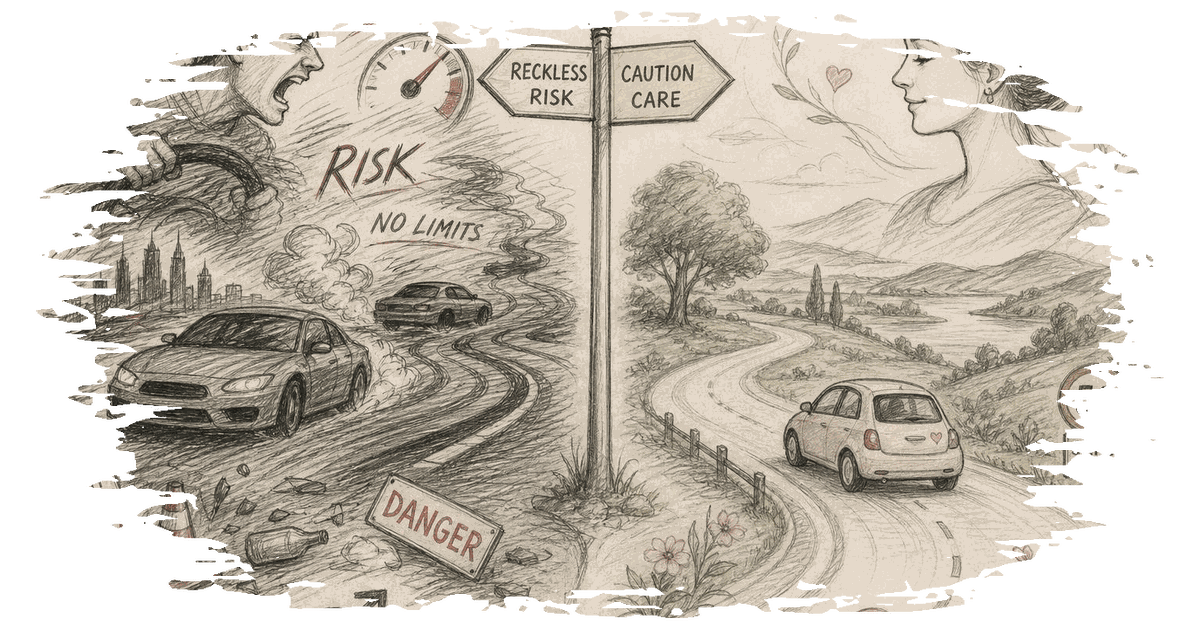
The report suggests that men tend to drive faster and are more likely to engage in risky behaviors such as speeding and overtaking, contributing to their higher involvement in fatal accidents. In contrast, women generally drive more cautiously, avoid driving under the influence, and are less prone to speeding and risky overtaking maneuvers.
This statistical analysis challenges traditional stereotypes about driving abilities, which often favor men as more competent drivers. The findings suggest that if safety is the primary measure of good driving, women may have the upper hand. The implications of these statistics could influence public safety policies and encourage initiatives aimed at reducing risky driving behaviors, particularly among men.
The report’s reliance on 2024 data may not fully capture current trends or changes in driving behavior, and there is a noted lack of comprehensive analysis on the underlying causes of these gender disparities. However, the consistent pattern of male dominance in traffic accidents and fatalities points to a need for targeted interventions to improve road safety and reduce fatalities.



0 Comments