

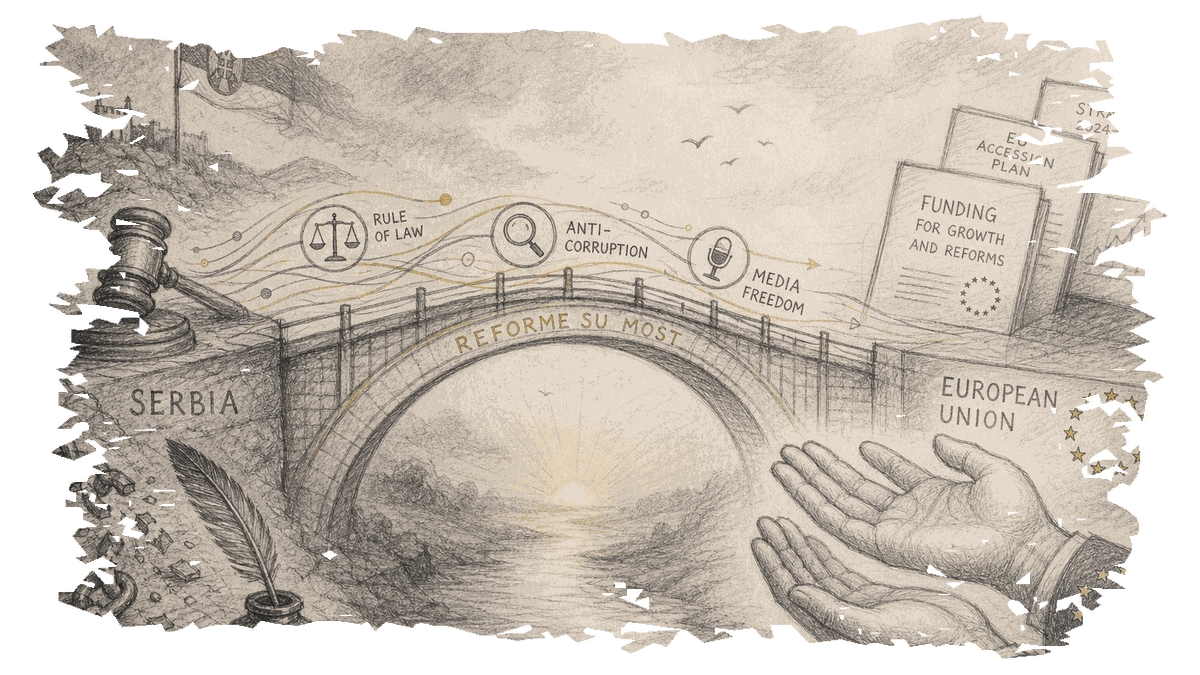
The Students’ List, a political group in Serbia, has reported a shift in the European Union’s (EU) perception of Serbia’s internal reforms and foreign policy following their recent meetings in Brussels. Ana Dimitrijević, a representative of the Students’ List, noted that during their second visit to Brussels, EU officials demonstrated a better understanding of Serbia’s internal priorities, which include strengthening the rule of law, combating corruption, and ensuring media freedom.
Dimitrijević emphasized that the EU’s approach had evolved since their initial meeting shortly after the Students’ List’s electoral victory in October 2026. At that time, the EU had its own set of expectations and demands, but now, according to Dimitrijević, they seem more receptive to the Students’ List’s focus on resolving Serbia’s domestic issues before aligning more closely with EU foreign policy directives. This includes the contentious issue of imposing sanctions on Russia, which the Students’ List opposes due to Serbia’s economic and historical ties with Russia.
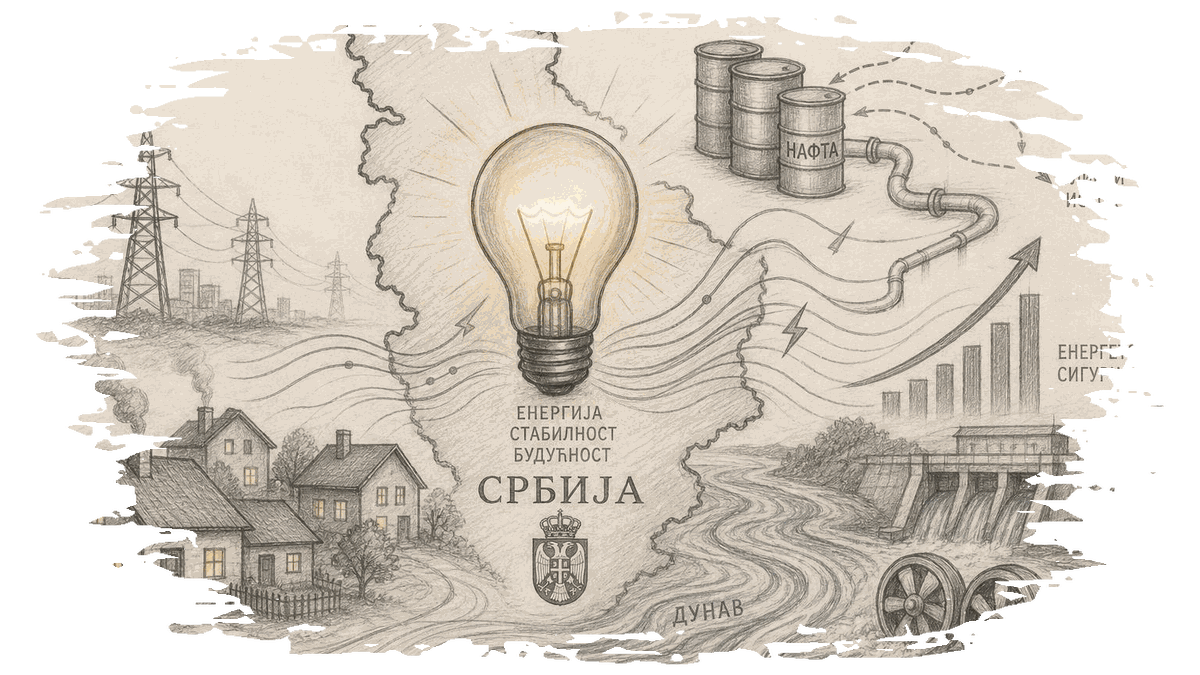
The Students’ List’s stance against sanctions on Russia is rooted in practical concerns over Serbia’s dependence on Russian gas and the economic implications of such measures. Dimitrijević explained that Serbia’s economy heavily relies on Russian energy resources, and there is a strong public sentiment against sanctions due to Serbia’s own historical experiences with international sanctions.
In addition to discussions on Russia, the talks in Brussels also addressed the situation in Kosovo. Dimitrijević highlighted that the normalization of daily life for residents in Kosovo should be a priority, focusing on security, healthcare, and education. She stressed the importance of both sides, including the authorities in Pristina, fulfilling their commitments to previously reached agreements.
The Students’ List remains committed to Serbia’s path towards EU integration, aligning with the EU’s fundamental values. However, Dimitrijević stated that the ultimate decision on EU membership should rest with the Serbian people, suggesting that a referendum should only be held once Serbia has met the necessary conditions for EU accession. This approach underscores the Students’ List’s emphasis on developing a well-functioning European democracy within Serbia before considering full membership.
The discussions also touched upon the availability of EU funds for Serbia, which have been restricted due to unmet obligations. Dimitrijević noted that the EU now requires candidate countries to present precise plans for utilizing allocated funds before they are disbursed. This reflects a broader EU strategy to ensure that financial support is effectively used to advance reform agendas.
The Students’ List’s meetings in Brussels mark a significant moment in Serbia’s political landscape, as they navigate the challenges of transitioning from a protest movement to a governing body. The delegation’s interactions with EU officials suggest a potential shift in how Serbia’s internal reforms and foreign policy are perceived, although the broader consensus within the EU remains to be seen. As Serbia continues its journey towards EU integration, the Students’ List’s focus on internal reform and cautious foreign policy alignment will likely play a crucial role in shaping the country’s future.

0 Comments