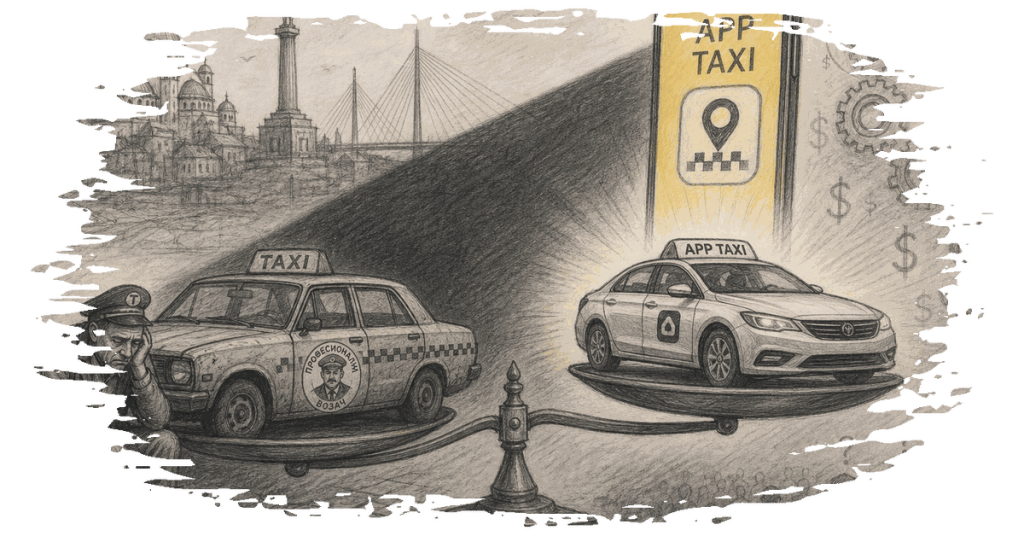
A proposed draft law on passenger transport in Serbia has sparked significant concerns among traditional taxi operators, particularly the Belgrade Taxi Entrepreneurs Association (SITAB). The draft law, if enacted, would allow app-based taxi services to deviate from local fare regulations, potentially resulting in fare increases of up to 30% during periods of high demand. This development has raised alarms about potential monopolistic practices by app-based platforms, which SITAB claims could undermine the regulated fare structures that have been in place to protect both consumers and taxi operators.
SITAB has voiced strong opposition to the proposed changes, arguing that they could disrupt the market and are not in the best interest of passengers or traditional taxi businesses. The association contends that allowing app-based services to set prices independently of local fare regulations could effectively dismantle the existing taxi meter system, which ensures transparency and consistency in pricing. “We want exclusively regulated prices, in accordance with the law on commerce,” a SITAB representative stated, emphasizing the importance of maintaining a system where passengers know the cost of their ride upfront and are assured of professional service.

The association also highlighted the potential for increased operation of so-called “wild taxis,” or unregulated drivers, which they argue could proliferate under the new law. SITAB has expressed frustration at being excluded from the legislative process, noting that none of their 15 submitted proposals were considered in the drafting of the new law. They argue that the current law is effective and that the proposed changes appear to favor privatization of the taxi industry, benefiting app-based services and their operators at the expense of traditional taxi drivers.
In addition to fare concerns, SITAB is calling for a new study to assess the actual number of taxis needed in Belgrade, as the last analysis was conducted in 2019. They argue that such a study is overdue and necessary to ensure that the taxi market remains viable for operators. Furthermore, SITAB is advocating for stricter professional standards for taxi drivers, criticizing the draft law’s proposal to lower the qualification requirements for drivers. The association insists that taxi drivers should be highly qualified professionals, given the public nature of their service.
SITAB has also called for greater oversight from relevant government bodies, such as the Ministry of Construction, Transport, and Infrastructure, to ensure compliance with existing transport laws. Despite regular communication with authorities, SITAB claims that there has been little concrete response to their concerns, leading to a prolonged cycle of unresolved issues in the taxi industry.
The proposed law has broader implications for the Serbian transport market, particularly in how it balances the interests of traditional taxi services with the growing influence of app-based platforms. The outcome of this legislative process could have significant economic impacts on both taxi operators and consumers, affecting pricing, market dynamics, and the overall structure of the taxi industry in Serbia. As the draft law progresses, the perspectives of other stakeholders, such as consumer advocacy groups and app-based service providers, will be crucial in shaping the final legislation and its implementation.