

A recent study conducted by M2S Research has highlighted a significant disparity between the saving and investing habits of Serbian citizens, revealing a cultural shift towards prioritizing financial security over wealth accumulation. The study, which surveyed adult citizens across Serbia, found that 66% of respondents save either regularly or occasionally, while only 16% are currently engaged in investing activities.
The inclination towards saving rather than investing is further underscored by the motivations behind these financial behaviors. According to the study, 75% of savers prioritize setting aside money for unforeseen circumstances rather than seeking to maximize returns or rapidly accumulate wealth. This preference for financial security reflects a broader cultural trend in Serbia, where the investment market remains relatively nascent. Notably, 56% of current investors began their investment journeys within the last five years, indicating a developing investment culture.

Financial analyst Georgi Hristov from “Tavex zlato & srebro” commented on the findings, emphasizing the importance of financial education in transitioning from simple saving to long-term financial planning. “One of the most striking conclusions of the research is that people generally do not save to get rich, but to have protection when something unforeseen happens,” he stated. This perspective highlights the necessity of fostering a more systematic approach to saving and investing among the Serbian populace.
The study also revealed that saving habits in Serbia are not yet fully systematic. While 47% of respondents save regularly, 40% do so only occasionally, depending on any surplus left after monthly expenses. Additionally, 41% of savers allocate up to 10% of their monthly income to savings, indicating a prevalent “save when you can” model rather than a planned and continuous financial strategy. Hristov suggests that even small, regular contributions can be more impactful than sporadic larger deposits.
The research also explored the regrets of those who have started saving or investing, with many expressing a wish that they had begun earlier. Approximately 75% of savers and 80% of investors reported some form of regret, with a significant portion indicating that an earlier start could have improved their financial situations.
In terms of preferred saving methods, the study found that 46% of savers keep cash in foreign currency at home, a choice driven by a strong desire for control and accessibility. This method is particularly prevalent among financially vulnerable groups, whereas bank products are more commonly used by individuals with higher incomes and educational levels.
The rising cost of living has also impacted the ability of households to save, with nearly half of the respondents expressing concern about inflation’s effect on purchasing power and the value of their savings and investments. Financially vulnerable households are more likely to reduce the amounts they set aside, use existing savings for current needs, and postpone less critical expenses, making it challenging to build new reserves or maintain existing ones.
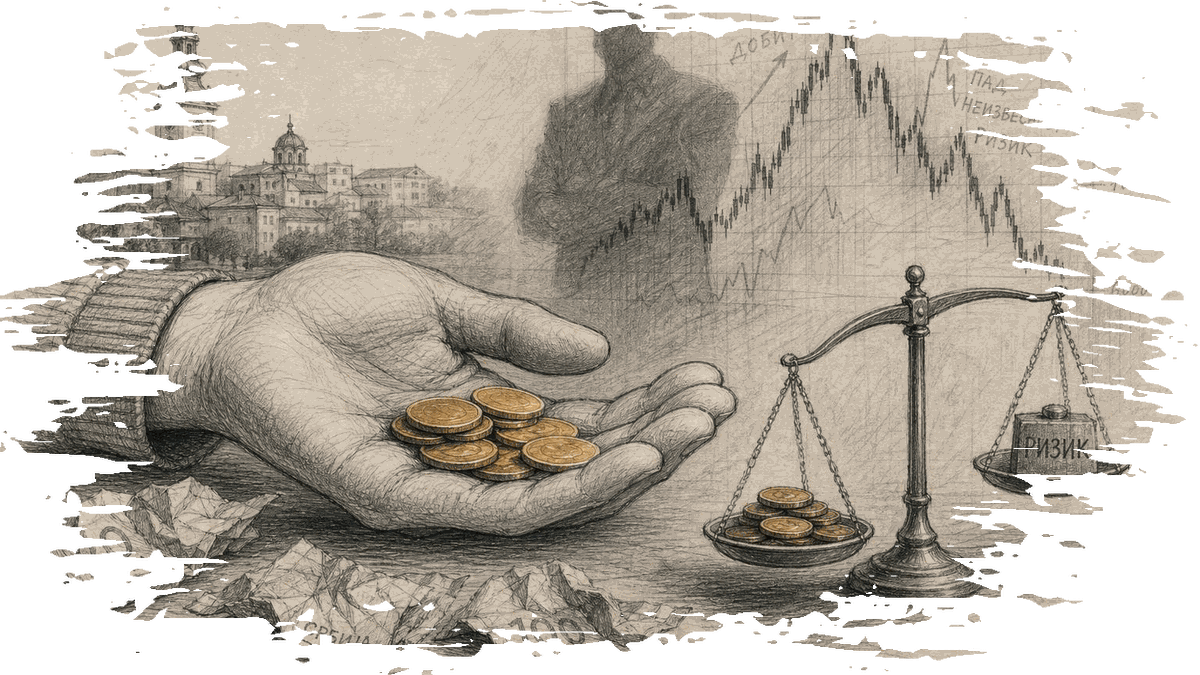
The study highlights a significant aversion to risk among Serbian savers and investors, with 56% preferring safer options with lower potential returns. Only 18% are willing to accept higher risks for the chance of greater returns, a caution that increases with age.
These findings point to a need for enhanced financial literacy and a more robust investment culture in Serbia. The study’s insights could inform policy recommendations aimed at improving financial education and encouraging more systematic saving and investing practices among Serbian citizens.




0 Comments