
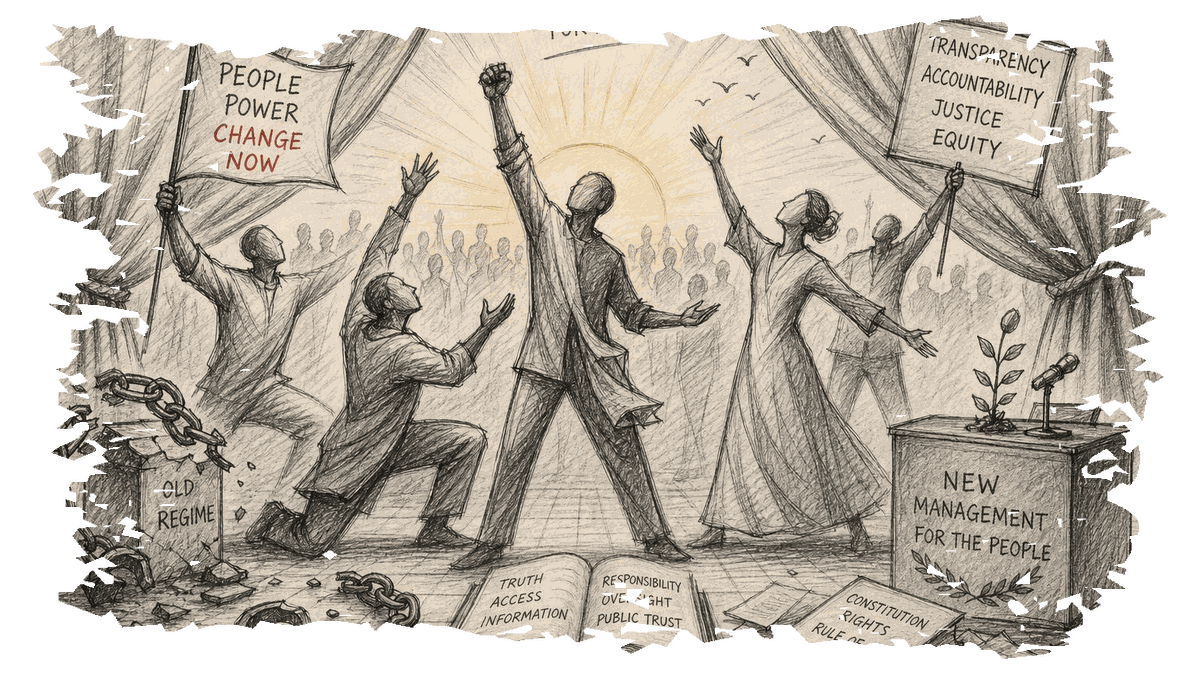
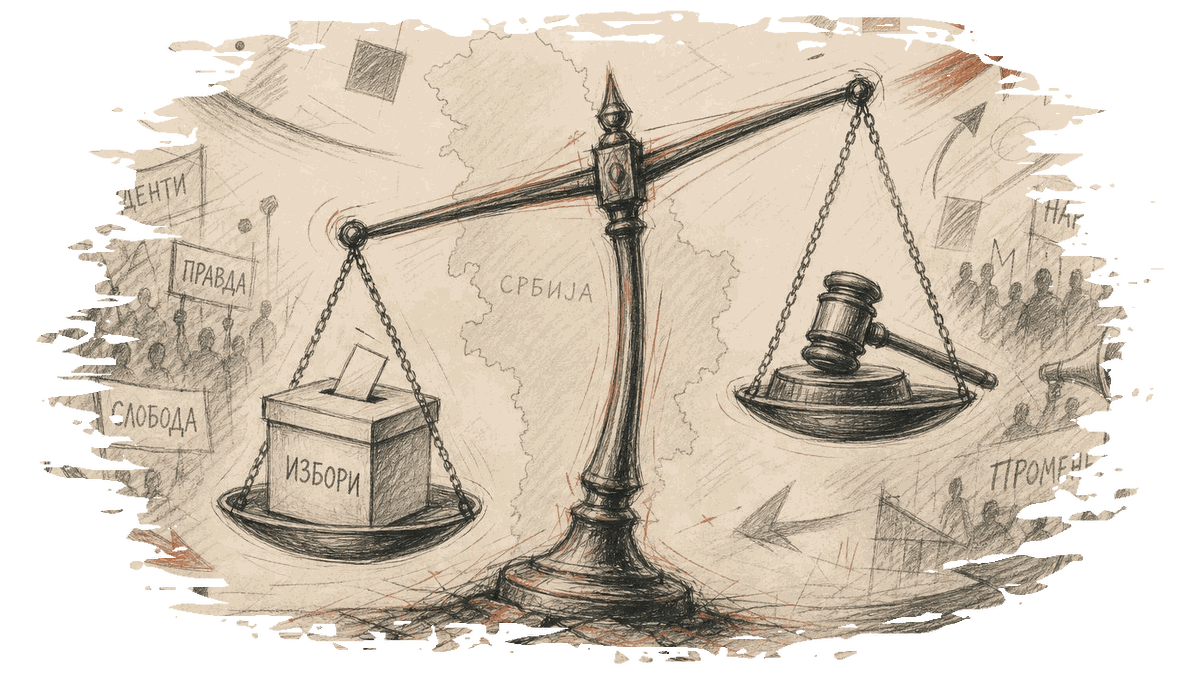
In the wake of a significant political shift in Serbia, the country’s theater community has erupted in celebration and protest, calling for the resignation of their management. This follows the recent parliamentary elections, where the Students’ List emerged victorious over the ruling party led by Aleksandar Vučić. The results have been met with enthusiasm and a sense of liberation among actors and dancers, who see this as an opportunity to demand changes in their institutions.
During a performance at Atelier 212, actor Stefan Bundalo announced, “People, it’s over!” This declaration was met with an outpouring of emotion from the audience, who responded with applause, tears, and laughter. The performance of “Ode to Joy” became a backdrop for a spontaneous celebration, as the cast and crew followed the election results backstage, witnessing Vučić’s concession. Tamara Dragićević, an actor in the play, shared her experience on social media, describing the overwhelming moment when the news broke.
The Ballet of the Serbian National Theater also participated in the celebrations. A video of the ensemble’s rehearsal went viral, showing ballet dancers forming a circle with the caption “The first morning of the SNP Ballet in free Serbia.” This act was a symbolic gesture against the pressures they have faced from their administration, particularly towards Aya Jung, the acting artistic director. The dancers’ message was clear: they no longer needed the protection of a management that they felt was aligned with the previous government.
Theater groups have been vocal in their demands for change. Atelier 212 publicly requested the resignation of Ljubiša Ristić, their acting manager, who was appointed by the City Assembly. The ensemble has had limited communication with Ristić, prompting them to use social media to convey their message. They thanked him for his efforts to shield them from government interference but insisted that his role was no longer necessary following the election results.
Similarly, the National Theater has reiterated its call for management changes. A message circulated on social media, urging adherence to demands made on October 3, 2025, when members of the “Singlus” trade union protested against the appointment of Dragoslav Bokan as head of their Board of Directors. The theater community is now leveraging the political change to push for a return to what they describe as a theater “for the people.”
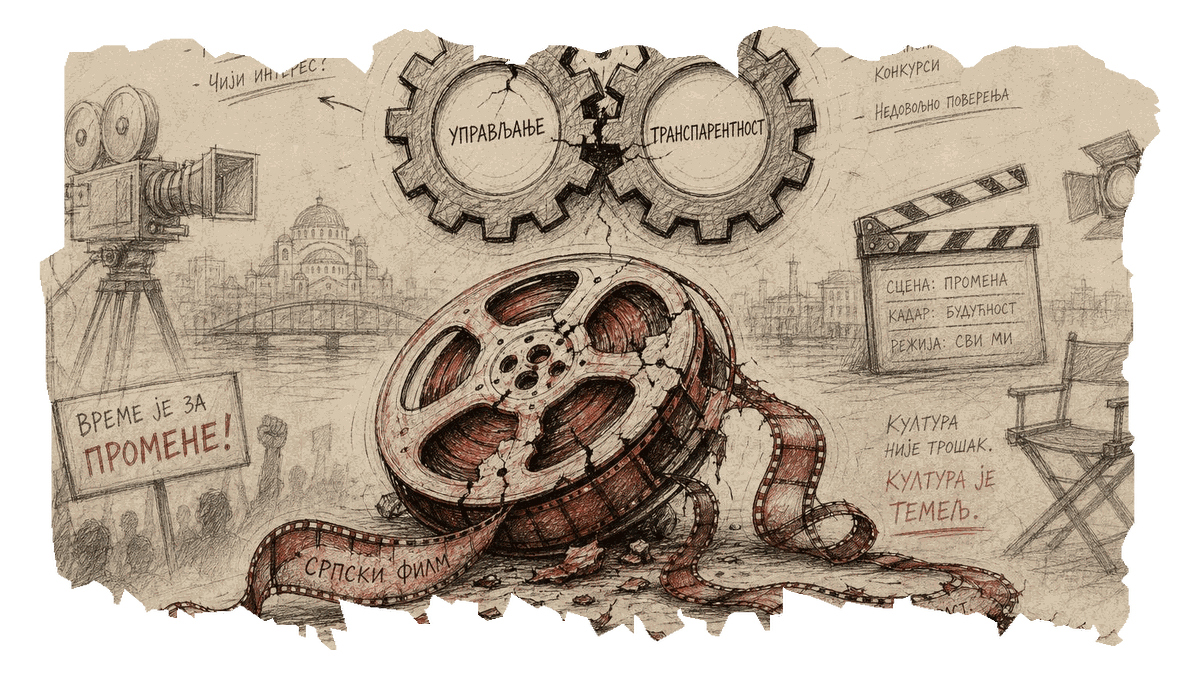
Darko Tomović, president of the “Singlus” union, emphasized that the election victory provided an opportunity for management to step down voluntarily. He highlighted the broader task of ensuring legal and institutional reforms in the cultural sector. The theater community’s actions are part of a larger movement to reclaim cultural spaces and assert independence from political influence.
The recent elections have not only altered the political landscape but have also invigorated cultural institutions, which have long been under the shadow of governmental control. The theater community’s response reflects a broader desire for transparency, accountability, and artistic freedom. As Serbia moves forward, the cultural sector is poised to play a significant role in shaping the country’s democratic future.


0 Comments