

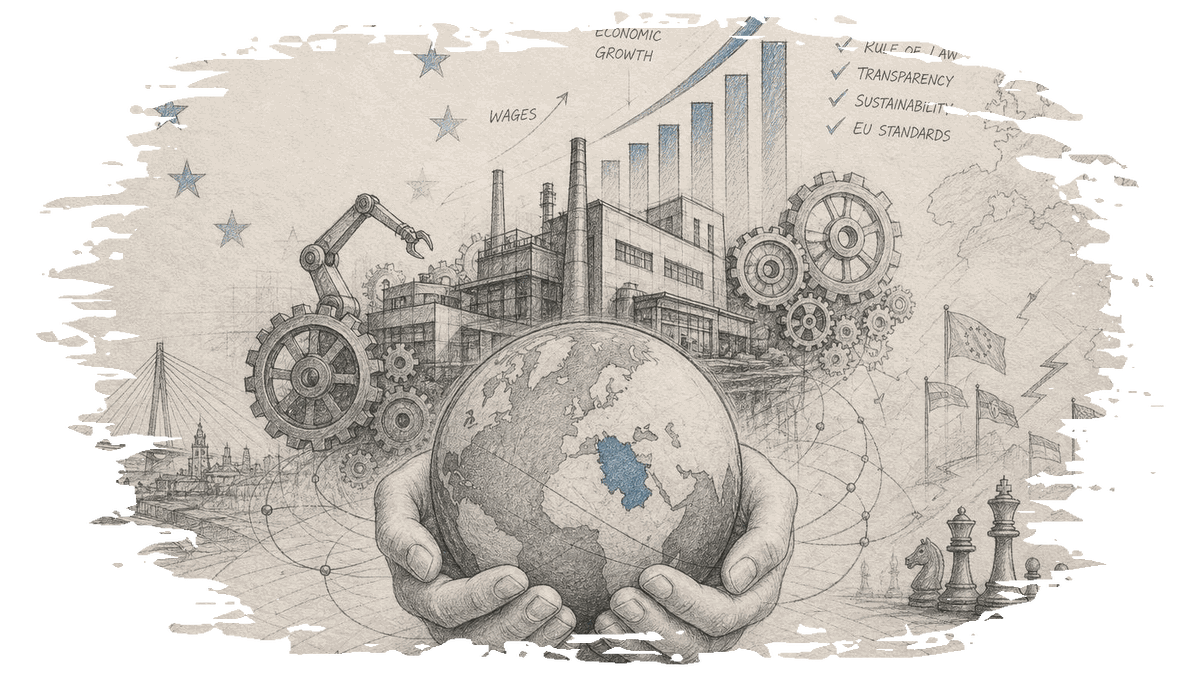
Serbia is set to overhaul its foreign investment strategy with a new subsidy program designed to attract higher-quality investments by emphasizing increased wages and adherence to European Union standards. This initiative, part of the Students’ List’s economic reform agenda, marks a significant shift from the country’s previous model, which relied heavily on low labor costs and state subsidies per job to lure foreign companies.
The new subsidy framework will eliminate incentives based solely on job creation, a model that has been criticized as unsustainable in the current economic climate. Instead, the program will offer financial incentives only to projects that raise average wages, with thresholds adjusted according to the economic development level of each municipality. This approach aims to attract companies engaged in technologically advanced and higher-paying industries, aligning with global and EU standards.
Nenad Jevtović from the Institute for Development and Innovation has described the previous subsidy model as outdated and views the new strategy as a step in the right direction. However, he cautions that the success of this program is uncertain and contingent on various factors, including the preferences of foreign investors and the geopolitical landscape. Jevtović highlights that Serbia has become less competitive in terms of labor costs, which may prompt capital to exit the country.
Retired economics professor Ljubodrag Savić also expresses skepticism about the program’s potential effectiveness, noting that while the initiative is well-intentioned, it may be unrealistic given the current economic and geopolitical conditions. He points out that the plan might have been more feasible in a more stable and prosperous Europe of the past.
The new subsidy model reflects a broader strategic pivot as Serbia seeks to redefine its role in the global economy. Historically, Serbia has attracted foreign investment by offering lower labor costs compared to much of Europe. However, this strategy has faced challenges as other regions with even lower costs have emerged as competitors. The current reforms aim to elevate the quality of foreign investments by focusing on projects that contribute to technological advancement and improved working conditions.
Milorad Filipović, another retired professor, supports the change in subsidy policy, emphasizing the need for a more strategic allocation of subsidies. He advocates for prioritizing projects that bring new technologies and innovative production methods to Serbia, rather than those that exploit local labor and markets.
Despite the optimism surrounding the new policy, concerns remain about its implementation and the potential departure of foreign investors who have been integral to Serbia’s economic landscape. The Students’ List’s initiative comes at a time when some foreign companies are already reconsidering their operations in Serbia due to rising costs and economic challenges in their home countries.
The reform also underscores the Students’ List’s broader economic agenda, which includes a focus on domestic production and innovation. This shift is part of a larger effort to transition Serbia’s economy from one reliant on cheap labor to a more sustainable model centered on higher value-added activities.
As Serbia embarks on this new economic path, the government’s ability to navigate geopolitical tensions and maintain favorable relations with key global partners will be crucial. The success of the subsidy program will depend not only on domestic policy adjustments but also on external factors such as the stability of the Eurozone and Serbia’s diplomatic relations, particularly with China.
The Students’ List’s economic reforms, including the new subsidy model, represent a bold attempt to reshape Serbia’s economic future. While the outcomes remain uncertain, the initiative signals a commitment to fostering a more competitive and sustainable economic environment.




0 Comments