

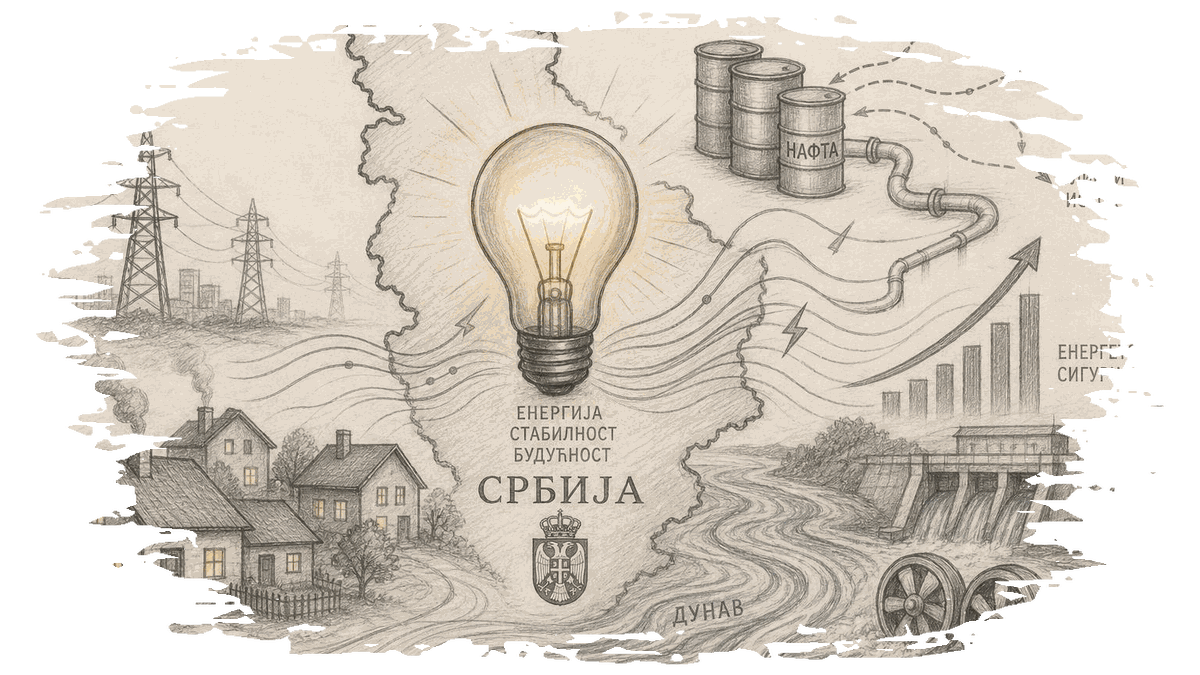
The Serbian government has confirmed that there will be no increase in electricity prices for households until at least the end of the heating season. This assurance comes amid recent fluctuations in energy supply and demand, as reported by Jelica Putniković, editor of the portal “Energija Balkana.” She stated that the Electric Power Industry of Serbia (EPS) has not submitted a request to the energy agency to change electricity prices, indicating stability in pricing for the near future.
Putniković emphasized that the new government is likely to develop a strategy before considering any price increases. She noted that although some households have received higher electricity bills, this was due to adjustments in the threshold for entering the higher tariff zone, which particularly affected those using electricity for heating.
The energy situation in Serbia has been influenced by recent developments, including the resumption of crude oil supplies from JANAF to NIS after a two-week interruption. This disruption, caused by a pipeline malfunction, did not significantly impact the operation of the Pančevo Refinery, as NIS had sufficient crude oil reserves for processing. The Serbian government authorized the use of 66,000 tons of crude oil from state reserves to maintain refinery operations during the supply interruption.
Additionally, the rising water levels of the Danube River are expected to boost electricity production at hydroelectric plants, reducing the need for electricity imports. Putniković highlighted that EPS typically generates about 30% of its electricity from hydroelectric sources under normal conditions, but recent low water levels had necessitated increased imports.
The editor also pointed out the importance of securing alternative oil supply routes for Serbia, suggesting the construction of a pipeline to Hungary, which would connect to the “Družba” pipeline. This would allow Serbia to import oil not only from Russia but also from Kazakhstan and other countries, thereby enhancing its negotiating position for oil transport prices via JANAF.
Furthermore, Putniković discussed the potential benefits of Serbia aligning with the European Union’s single electricity market. While electricity is cheaper in some parts of Europe compared to the Balkans, its supply to Serbia depends on available transmission capacities and transportation costs.
In terms of gas supply, Putniković mentioned that the average storage capacity in the European Union is about 70% full, with lower levels in Germany and the Netherlands. She warned that nearly 10% of the stored gas has been consumed in less than a month, even though winter has not yet fully begun.
Overall, the energy situation in Serbia is currently stable, but Putniković cautioned that any new disruptions could pose challenges. The government’s commitment to maintaining current electricity prices provides some relief to households during the heating season, while ongoing negotiations and infrastructure developments aim to secure Serbia’s energy future.



0 Comments