

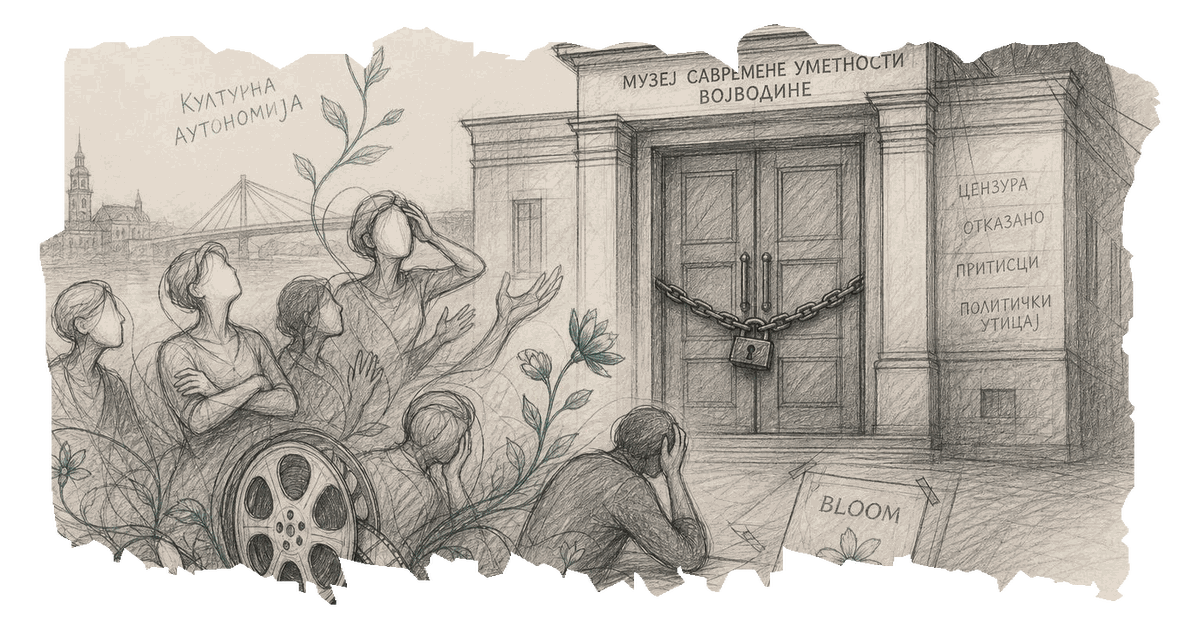
The Museum of Yugoslavia in Belgrade has abruptly canceled the screening of Jasmila Žbanić’s film “Bloom – Masters of the Future,” a decision made by the acting director Gordana Vujović. The cancellation, which occurred without any provided explanation, has sparked criticism from the Syndicate of the Museum of Yugoslavia, who argue that it undermines the autonomy and integrity of the museum’s staff. The film was set to conclude the Summer in Muzey program, a popular cultural series at the museum that has been running for nine years.
The film “Bloom – Masters of the Future” is a documentary that explores the life of Emeric Blum, a visionary businessman who established the company Energoinvest in Bosnia and Herzegovina after World War II. The company operated on a self-management model where workers participated in decision-making and shared profits, a concept that the film portrays as ahead of its time. Despite its thematic alignment with the museum’s focus on Yugoslav heritage, the film was deemed unsuitable for the program’s conclusion, raising questions about the motivations behind the cancellation.
The Syndicate of the Museum of Yugoslavia expressed their concerns on social media, stating that the decision lacked a reasoned explanation despite multiple inquiries from the museum’s staff, including the project coordinator and the Expert Council. They warned that such actions could jeopardize the museum’s work program for 2026 and threaten both existing and future collaborations, potentially damaging the institution’s professional reputation.
Gordana Vujović, who was appointed as acting director by the Serbian government in May, has faced criticism from the museum’s collective since her appointment. Her lack of prior experience in museum management and her previous role in the Ministry of Culture have been points of contention, especially given the museum board’s earlier request to initiate a competitive selection for the director position.
The cancellation of the film screening has broader implications for cultural autonomy and artistic expression in Serbia. It highlights ongoing tensions between cultural institutions and political influences, a theme that has been prevalent in recent discussions about the country’s cultural landscape. The lack of transparency and accountability in this decision has raised concerns among cultural critics and artists about the future of the museum’s programming and its role in promoting Yugoslav heritage.
The incident also reflects a wider pattern of political narratives influencing cultural productions in Serbia, as noted in previous discussions about the country’s cultural politics. The museum, historically a venue for exploring Yugoslav heritage through cultural events, now faces uncertainty regarding its ability to maintain its autonomy and integrity in the face of political pressures.
The decision to cancel the screening of “Bloom” without explanation has left many questioning the museum’s direction under its current leadership and the potential impact on its reputation and collaborations. As the situation develops, stakeholders in Serbia’s cultural sector will likely continue to scrutinize the museum’s actions and their implications for cultural freedom in the country.




0 Comments