

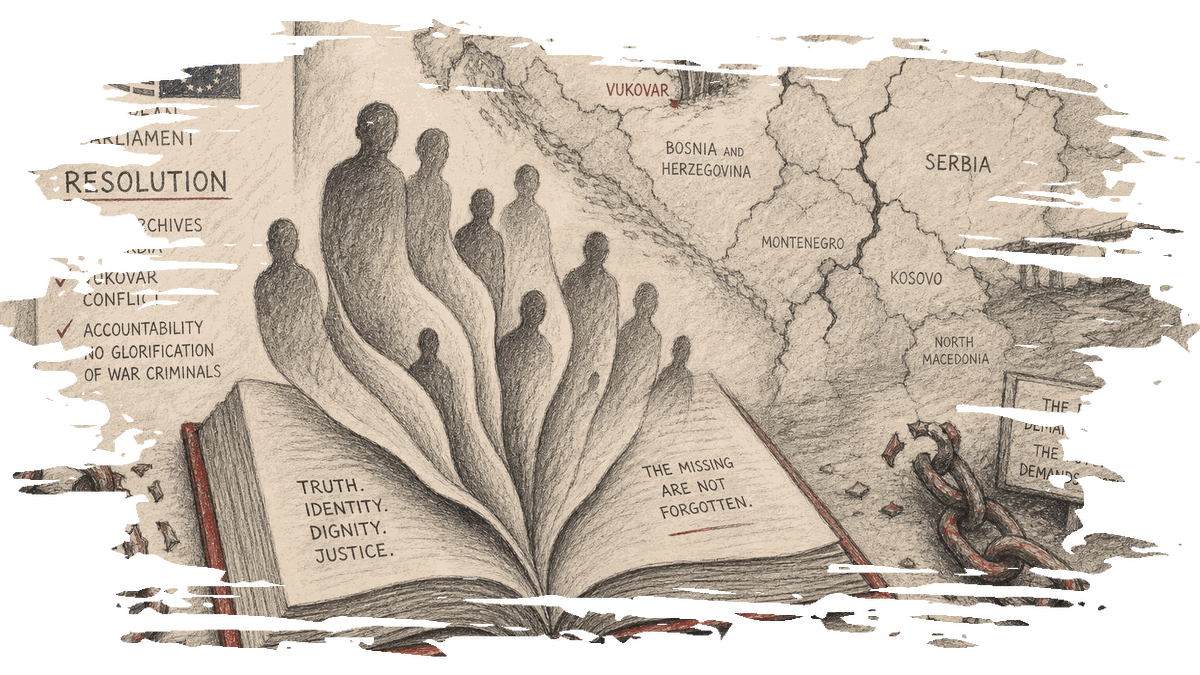
The European Parliament is poised to vote on a resolution that demands Serbia open its war archives and provide information on missing persons related to the Vukovar conflict. This resolution, introduced by Croatian Members of the European Parliament (MEPs), is set for a vote on November 26, 2026, and marks a significant step as it is the first formal document from a European institution addressing the suffering in Vukovar, coinciding with the 35th anniversary of the city’s fall.
The resolution calls for Serbia to assist in identifying victims and returning remains to their families, while also urging Serbia to cease glorifying convicted war criminals. This comes in the wake of recent public honors given to Ratko Mladić, which have been cited as an example of Serbia’s ongoing issues with reconciliation. Croatian MEP Tonino Picula emphasized that the resolution is not about revisiting historical interpretations but rather confirming facts already established by international courts. “Zločini na Ovčari, Veleprometu i u logorima u Srbiji nisu stvar tumačenja. To su utvrđene činjenice,” Picula stated, underscoring the need for Serbia to open its war archives and provide data on the missing.
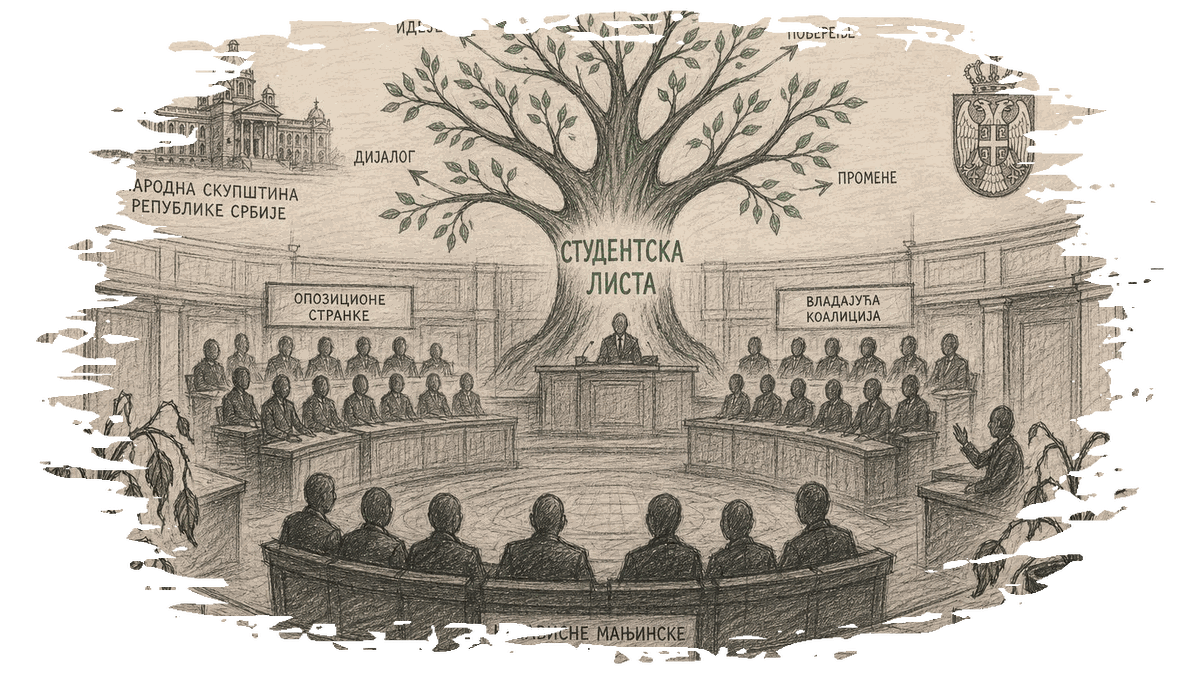
The resolution has sparked reactions from various quarters. The Students’ Movement in Serbia criticized the document for not providing a balanced view of wartime events, arguing that it overlooks the suffering of Serbian civilians in Croatia. They highlighted the importance of acknowledging crimes committed against Serbs and stressed that reconciliation requires confronting all wartime atrocities, regardless of the perpetrators’ or victims’ nationalities.
Karlo Resler, another Croatian MEP involved in drafting the resolution, highlighted the symbolic importance of Vukovar in Croatian national memory and its broader significance for Europe. He stated, “Nema istinskog pomirenja bez istine, ali ni trajnog mira bez sposobnosti praštanja,” emphasizing the need for truth and forgiveness in achieving lasting peace.
The resolution also calls for the adoption of a law on missing persons in Serbia, which should be enacted in an inclusive and transparent manner. It condemns the denial, relativization, and glorification of war crimes, specifically mentioning the public honors for Ratko Mladić as a disrespect to judicial verdicts and an obstacle to reconciliation.
This development comes amid ongoing tensions between Serbia and Croatia over historical narratives related to the Croatian War of Independence. The Vukovar conflict remains a deeply sensitive topic, with both nations holding differing perspectives on the events and their aftermath. The resolution’s demands could further strain diplomatic relations between the two countries, as Serbia has historically resisted external pressures regarding its wartime actions.
The resolution’s impact on Serbia’s European Union accession process remains uncertain. Serbia’s response to the resolution and its willingness to comply with the demands could influence its diplomatic standing and future negotiations with the EU. However, there is potential for backlash from nationalist groups within Serbia, which could complicate the political landscape and hinder efforts towards reconciliation and cooperation.
As the European Parliament prepares to vote on this resolution, the focus remains on how Serbia will address these demands and whether it will take steps towards opening its war archives and engaging in a more transparent dialogue about the Vukovar conflict and its consequences.


0 Comments