Fred Abrahams, a former representative of Human Rights Watch in Kosovo, has called for an investigation into Albania’s role in crimes committed by members of the Kosovo Liberation Army (KLA). In a recent interview with N1, Abrahams highlighted that the crimes for which KLA leaders were convicted occurred not only in Kosovo but also extended into northern Albania. He criticized Albanian leaders, including Prime Minister Edi Rama and opposition figure Sali Berisha, for downplaying the significance of these crimes and urged them to take active steps in investigating the matter.
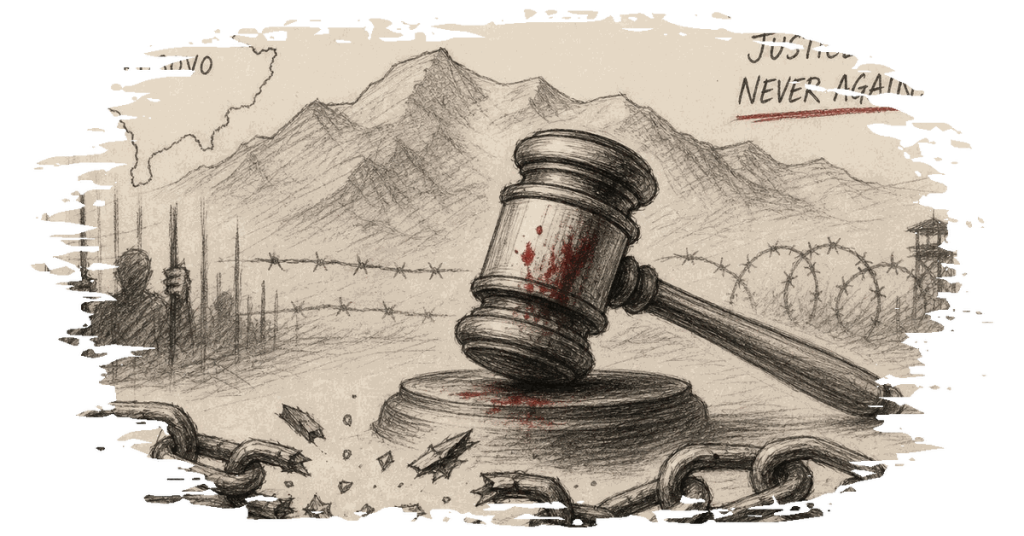
The call for investigation comes in the wake of the recent convictions of former KLA leaders by the Specialized Chambers in The Hague. On September 16, 2026, the court sentenced Hašim Tači and Jakup Krasnići to 25 years in prison, Kadri Veselji to 18 years, and Redžep Seljimi to 13 years for their roles in war crimes committed during the Kosovo War. These sentences have reignited discussions about accountability for war crimes in the region.

Abrahams pointed out that the crimes committed by the KLA were not isolated to Kosovo, as evidence suggests they also occurred in detention camps located in northern Albania. He recalled a preliminary investigation into these sites, including the notorious “Yellow House,” which involved an Albanian prosecutor. However, he noted that the investigation did not progress further, and no charges were brought against anyone involved. Abrahams stressed the need for Albanian authorities to dedicate more attention and take active steps to investigate these crimes.
The court’s ruling established a connection between the convicted KLA leaders and other members of the organization, based on the concept of a “joint criminal enterprise.” This legal framework indicates that the leaders did not act alone but were part of a coordinated structure that ordered and executed crimes. Abrahams emphasized that the court found sufficient evidence of coordination and command within the KLA’s hierarchy.
Despite the convictions, the court acquitted the defendants of charges related to crimes against humanity. Abrahams noted that the public currently has access only to a summarized version of the court’s decision, and a complete understanding will only be possible once the full ruling is published. He explained that proving crimes against humanity requires demonstrating that the crimes were widespread and systematic, which may involve different organizational structures compared to state forces.
Abrahams also addressed the issue of witness intimidation, which has been a significant concern throughout the proceedings. He mentioned that witnesses have faced threats, and some have even been killed, underscoring the challenges faced by the court in ensuring justice. This intimidation was one of the reasons for establishing the Specialized Chambers in The Hague, which aimed to provide a secure environment for witnesses.
The recent developments have added a new dimension to the ongoing discussions about accountability for war crimes in the region. Abrahams’ call for an investigation into Albania’s role in these crimes introduces potential political ramifications, as it implicates a neighboring country in the events surrounding the Kosovo War. The extent of Albania’s involvement remains uncertain, and the lack of response from Albanian officials leaves a gap in the narrative.
As the legal proceedings continue, the convicted KLA leaders have the right to appeal the court’s decision. Abrahams pointed out that the defense can present new evidence and witnesses during the appeal process, which could potentially alter the outcome of the case. The broader implications of these developments, including the potential for further investigations and trials, remain to be seen as the region grapples with its complex history and the pursuit of justice.