In a recent televised interview, political analyst Dušan Milenković challenged longstanding allegations of widespread electoral fraud by Serbian President Aleksandar Vučić. Speaking on Nova S, Milenković addressed claims that Vučić and his Serbian Progressive Party (SNS) have manipulated election results to maintain power. He argued that while minor irregularities might occur, they would not amount to the massive fraud often alleged by opposition parties.
Milenković stated that the scale of any potential electoral fraud is likely limited to “several tens of thousands of votes,” a figure significantly lower than the hundreds of thousands or millions often suggested by critics. He emphasized that Vučić’s electoral victories have been by substantial margins, citing a difference of over 1.5 million votes in past elections, which he argued undermines the credibility of claims of large-scale vote theft.

The allegations of electoral fraud have been a persistent theme in Serbian politics, particularly since Vučić came to power in 2012. Opposition parties have consistently accused him of using his influence to skew election results in favor of the SNS. However, Milenković’s comments suggest that these accusations may be exaggerated, at least in terms of the scale of the alleged fraud.
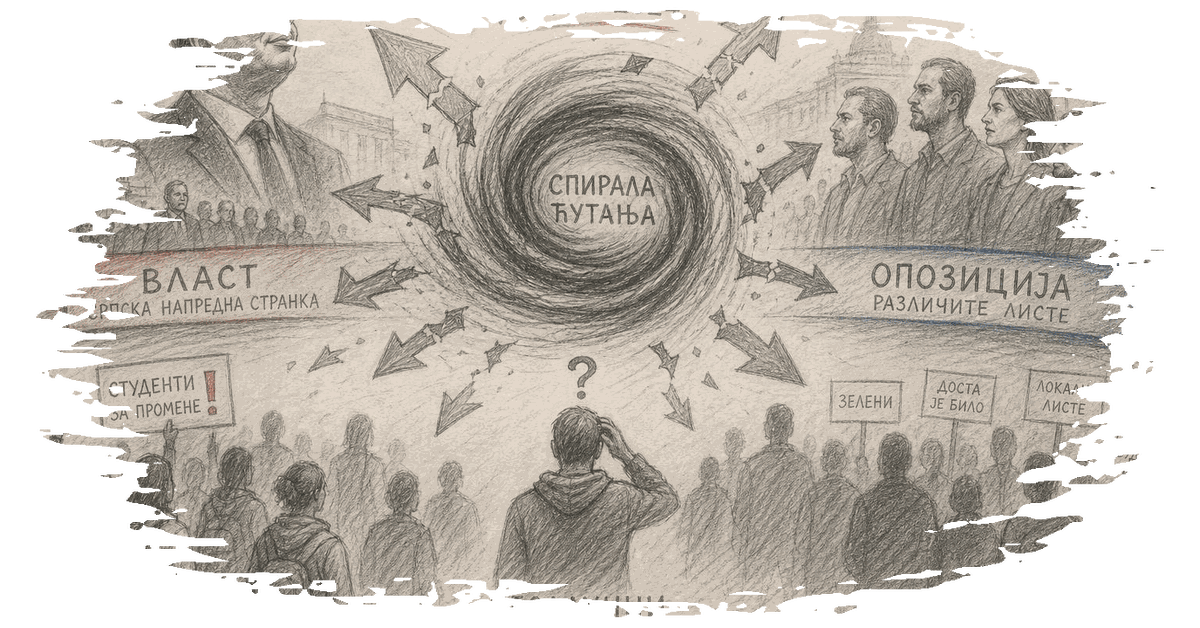
The issue of electoral integrity is particularly pertinent as Serbia approaches its upcoming parliamentary elections on October 25, 2026. The political climate is tense, with the opposition fragmented and struggling to present a united front against the ruling party. Milenković also commented on this division, suggesting that the lack of unity among opposition groups could be advantageous for Vučić and the SNS.
The analyst’s remarks have sparked renewed debate over the fairness of Serbia’s electoral processes. While government supporters might view Milenković’s statements as vindication, opposition figures are likely to remain skeptical, given the source’s potential bias. Informer, the outlet that reported on Milenković’s interview, is known for its pro-government stance, which may influence its portrayal of political events.
Milenković’s analysis comes at a crucial time, as both the ruling party and opposition prepare for a contentious electoral battle. The SNS recently submitted its candidate list to the Republic Electoral Commission, backed by a record number of collected signatures, showcasing its organizational strength and popular support. This development underscores the party’s readiness to maintain its political dominance.
As the election date approaches, the discourse around electoral integrity and the legitimacy of the democratic process in Serbia is likely to intensify. Milenković’s statements add a new dimension to this ongoing conversation, challenging the narrative of widespread fraud while highlighting the importance of addressing any electoral irregularities, however minor they may be.
The broader implications of these developments are significant for Serbia’s political landscape. The outcome of the upcoming elections will not only determine the composition of the National Assembly but also influence the country’s trajectory regarding governance and international relations, particularly its path toward European integration. The ability of the opposition to effectively counter the SNS’s stronghold remains uncertain, with internal divisions and strategic disagreements posing substantial challenges.
In conclusion, while Milenković’s comments have introduced a new perspective on the issue of electoral fraud, the debate over election integrity in Serbia is far from settled. As the elections draw near, all eyes will be on how these narratives play out and what impact they will have on the political future of the country.