


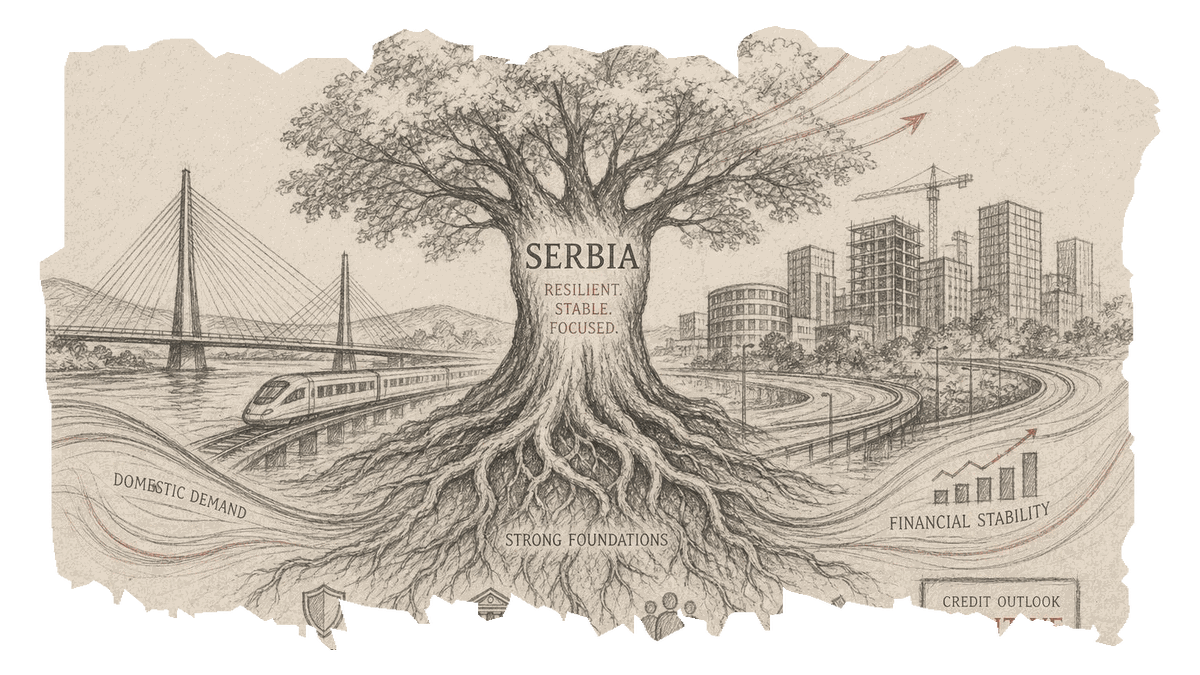
Serbia could soon unlock €180 million in previously frozen European Union funds, according to Strahinja Subotić from the Center for European Policies. Subotić indicated that the funds might become available as early as December or January, contingent on Serbia’s implementation of necessary reforms. The European Commission holds the authority to determine when Serbia has met the democratic conditions required to access these funds.
Subotić, speaking on the program Insajder, highlighted the significant interest in Serbia’s political developments among European institutions and member states. He noted a “moderate optimism” in Brussels following Serbia’s recent political changes, which have opened up new possibilities for the country’s democratization and institutional renewal. However, he emphasized that the release of the funds would depend on Serbia’s commitment to concrete reforms, as assessed by the European Commission.
The potential release of these funds marks a significant development in Serbia’s relationship with the EU, particularly after previous funding was frozen due to concerns over democratic standards and governance. The recent electoral victory of the Students’ List in Serbia has been seen as a pivotal shift, with expectations for reform and a renewed dialogue with Brussels.
Subotić explained that the EU is primarily focused on Serbia’s Plan for Growth and the availability of funds, while the opening of negotiation clusters requires unanimous agreement among EU member states. He estimated that Serbia has access to over a billion euros through loans and grants, with the possibility of unlocking some of these funds by the end of the year if the European Commission deems the democratic prerequisites fulfilled.
The analyst also pointed out that messages from Serbia’s future prime minister and the resumption of dialogue with Brussels would be crucial for accessing the funds. He stressed that the new government would not receive unconditional trust for fulfilling its obligations, as specific reform steps with concrete deadlines are expected.
Subotić further noted that the European Commission aims to ensure that Serbia can utilize the funds and that they do not remain unspent. The Students’ List has been encouraged to discuss the reform agenda, allowing for adjustments to targets and reforms. The mention of the IBAR report in the Students’ List’s program is seen as a promising sign, indicating a commitment to meeting transitional benchmarks crucial for Serbia’s EU path.
The broader context of Serbia’s potential access to EU funds reflects ongoing political changes and the EU’s strategic interest in supporting Serbia’s democratic transition. The developments underscore the importance of reform and dialogue in strengthening Serbia’s ties with the EU and advancing its European integration efforts.

0 Comments