

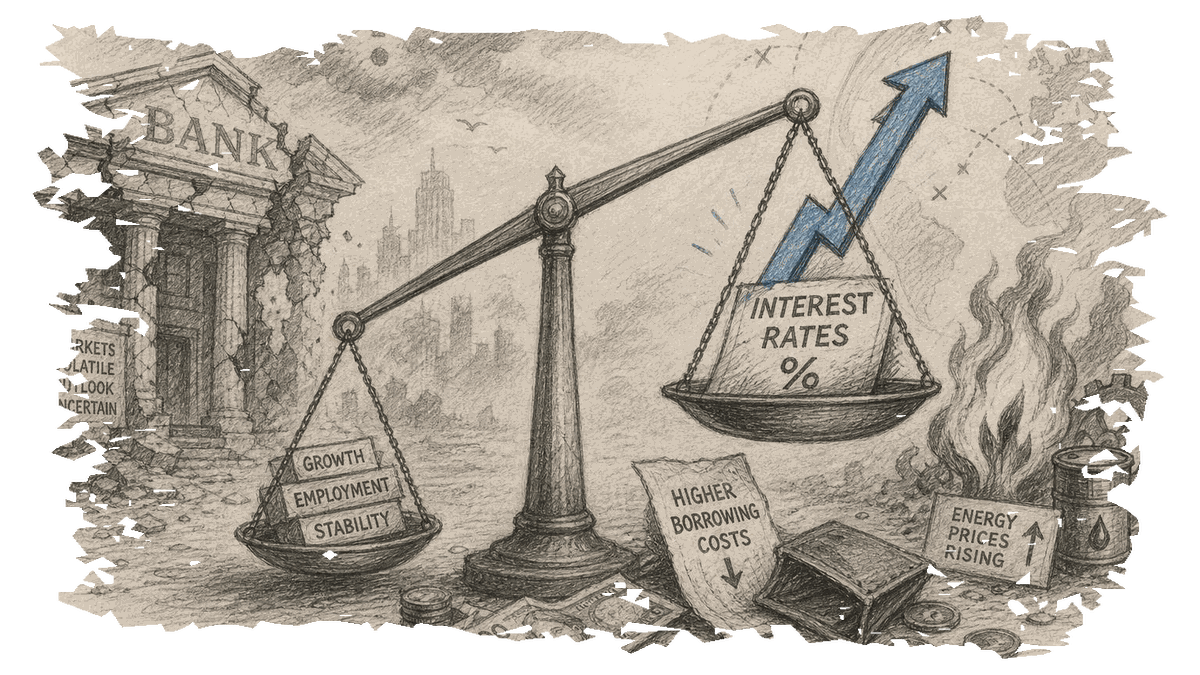
The National Bank of Serbia (NBS) has raised its reference interest rate to 6%, marking the first increase in over two years, in an effort to combat rising inflation driven by escalating energy prices. This decision, announced on November 14, 2026, comes amid geopolitical tensions in the Middle East, which have significantly impacted oil, natural gas, and electricity prices. The NBS aims to prevent these increases from causing a broader rise in the prices of goods and services, thereby maintaining medium-term price stability.
The interest rate hike from 5.75% to 6% is accompanied by an increase in the interest rate on deposit facilities from 4.5% to 4.75% and on credit facilities from 7% to 7.25%. This move is intended to signal a shift towards a more restrictive monetary policy to address the inflationary pressures stemming from the energy sector. Vladimir Vasić, a banking expert and former secretary general of the Association of Serbian Banks, explained that the increase will primarily affect loans in dinars with variable interest rates linked to domestic indicators. Borrowers with such loans may see their installments rise, depending on the terms of their contracts with banks.
The NBS’s decision reflects its strategy to mitigate the secondary effects of the energy crisis on the broader economy. By raising interest rates, the central bank seeks to curb consumption and credit activity, thereby reducing the pressure on prices. However, Vasić noted that the increase in the reference rate does not immediately affect other banking services, although it sends a clear message that the cost of borrowing is expected to rise.
For savers, the higher interest rates could potentially lead to better returns on deposits, as banks may offer more attractive rates to attract funds. However, the extent to which banks will pass on these increases to savers depends on their business policies, market competition, and liquidity needs.
The NBS’s decision comes at a time when the Serbian economy is grappling with the fallout from the Alta Bank collapse, which has shaken confidence in the banking sector. Although the interest rate hike is not directly related to the Alta Bank situation, the broader context of financial instability adds to the challenges faced by the central bank in maintaining economic stability.
The impact of the interest rate hike on consumer behavior and economic growth remains uncertain. While it aims to control inflation, the increased cost of borrowing could dampen consumer spending and investment, potentially slowing down economic growth. The NBS must balance these risks as it navigates the complex economic landscape shaped by both domestic and international factors.
In summary, the NBS’s recent interest rate increase is a proactive measure to address inflationary pressures exacerbated by rising energy costs. This decision underscores the central bank’s commitment to maintaining price stability, even as it poses challenges for borrowers and savers in Serbia. The long-term effects on the economy will depend on how effectively the NBS can manage these inflationary pressures while supporting sustainable economic growth.



0 Comments