

Milan Antonijević, the Commissioner for the Protection of Equality, has called for a clear and focused policy from the new Serbian government concerning Kosovo, emphasizing the rights of the Serbian community there. Antonijević highlighted the necessity of safeguarding human rights, property rights, and freedom of movement for Serbs in Kosovo. He stressed that these issues, which have been a concern for Serbian governments since the 1990s, need to be addressed with renewed clarity and commitment.
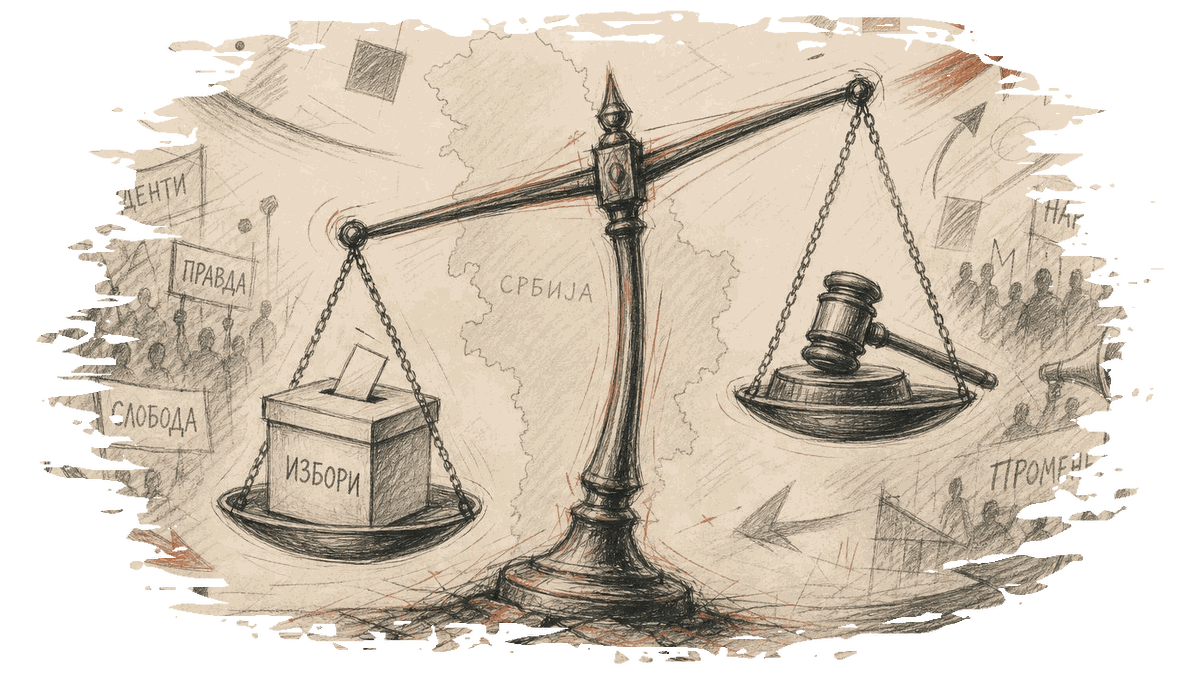
Antonijević noted that during the pre-election period, the topic of Kosovo was not prominently featured, likely to avoid diverting attention from other significant issues championed by the Students’ List, the newly victorious political entity. However, he asserted that with the elections concluded, the government must now provide clear answers and strategies regarding Kosovo. He emphasized the role of institutions in guiding the government on how to protect rights and what directions to take.
He also mentioned the importance of revisiting the concept of sustainable return for Serbs in Kosovo and implementing agreements from the Brussels negotiations. According to Antonijević, it is crucial to have a clearer picture of the situation, including the establishment of the Association of Serbian Municipalities as outlined in the Brussels agreements.
Antonijević expressed optimism about international perceptions of Serbia’s recent elections, noting that global media have praised the democratic nature of the process and the election’s outcomes. He suggested that this positive international reception marks a shift in Serbia’s political landscape, which could influence its approach to Kosovo. Despite this, he reassured that the protection of the Serbian community in Kosovo remains a priority, regardless of who holds power in Serbia.
Discussing the dialogue between Belgrade and Pristina, Antonijević acknowledged the challenges in advancing the process. He pointed out that even when Belgrade has been constructive, it has often faced a lack of readiness from Pristina. He indicated that the pressures on the Serbian community in Kosovo continue, leading some to leave the region, a trend that must be halted.
Antonijević also highlighted the role of international actors, such as the European Union and the United States, in facilitating dialogue and ensuring that agreements are honored. He expressed hope that these international bodies would exert enough influence to bring all parties back to the negotiating table, particularly the authorities in Pristina, who have yet to implement many signed agreements.
This call for a clear policy on Kosovo comes amid a backdrop of longstanding political tensions and negotiations. The issue of Kosovo has been a persistent challenge for Serbian governments, with various administrations facing both domestic and international pressures regarding the treatment and rights of the Serbian community in the region. The recent electoral victory of the Students’ List, which has shifted the political dynamics in Serbia, adds a new dimension to how these issues might be addressed moving forward.



0 Comments