

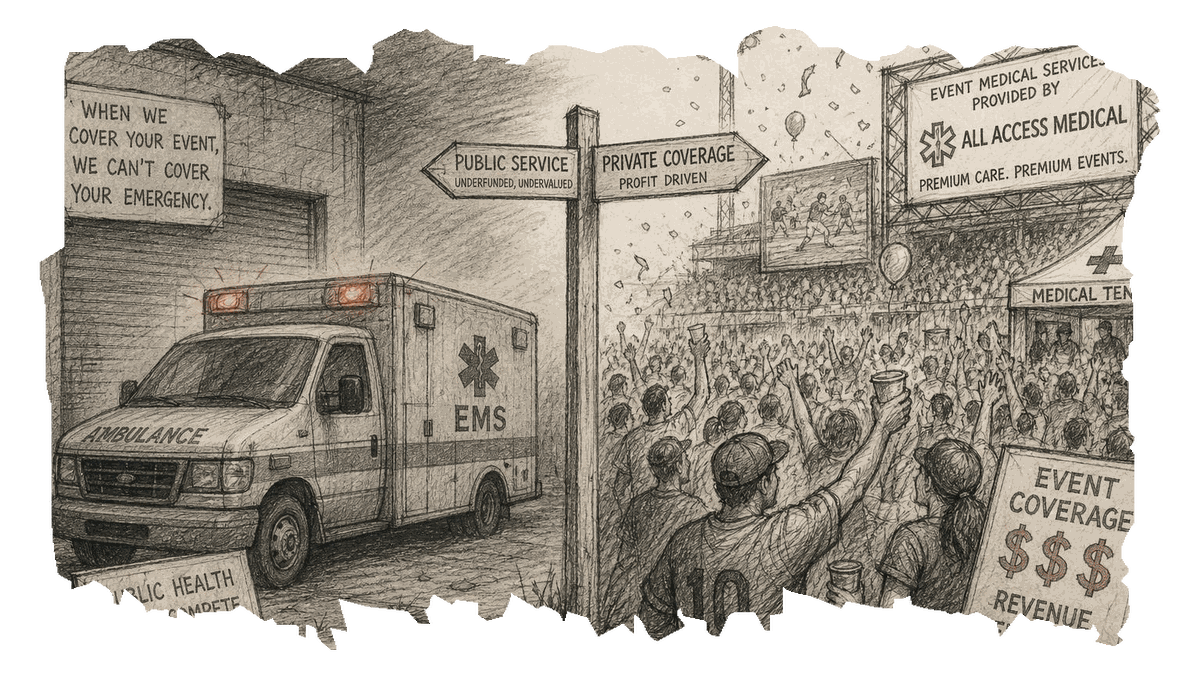
State auditors have revealed that emergency medical services in Serbia are facing a critical shortage of teams due to their prioritization of paid duties at events over public emergencies. The audit, focusing on the operations in Novi Sad and Belgrade, highlighted that emergency teams are being diverted from regular shifts to provide medical coverage at private events such as football matches, concerts, and festivals. This practice has raised significant concerns about the availability of emergency services for the general public.
In 2025, the emergency medical service in Novi Sad allocated 92.5 hours to cover matches for FK Vojvodina, according to the audit report. Similarly, the Belgrade emergency service generated 39.5 million dinars in revenue, with 67% of this income stemming from medical services at events. The audit report, titled “Provision of Emergency Medical Services,” underscores the risk that these practices pose to timely healthcare delivery for citizens, as resources are stretched thin.
The Novi Sad emergency service’s engagement in event coverage, including 25 hours for FK Mladost GAT and services at the EXIT music festival from July 10 to 13, 2025, further exemplifies the issue. The revenue from these activities amounted to 5.6 million dinars, with significant sums coming from FK Vojvodina and the EXIT festival.
In Belgrade, the audit noted that emergency services were provided at various events, including football matches for clubs like FK Crvena zvezda and FK Partizan, as well as city-organized events such as the Belgrade Marathon and international competitions. A specific contract with Ada Ciganlija for medical coverage at Savsko Lake from June 26 to August 31, 2025, was worth nearly 6 million dinars. This contract required daily staffing of medical teams, which included doctors, medical technicians, and ambulance drivers.
The director of the Belgrade Emergency Medical Service stated that teams were deployed to Savsko Lake before the formal procurement contract, following a request from the City of Belgrade’s Health Secretariat due to increased visitor numbers. This deployment involved relocating a field medical team from regular shifts to the lake area during the summer period, which sees up to 400,000 visitors.
These findings from the State Audit Institution raise concerns about the prioritization of revenue-generating activities over public health needs. The report does not provide specific data on how this has impacted emergency response times or outcomes for citizens, but it highlights a potential risk to public safety. The lack of sufficient emergency teams for public health emergencies could lead to delays in critical medical interventions.
The situation points to broader issues within the organization and funding of emergency medical services in Serbia. While previous reports have noted challenges in this sector, the current audit brings to light the specific problem of event prioritization. The absence of comments from affected citizens or medical professionals in the report leaves a gap in understanding the full impact on public health.
As the audit findings circulate, stakeholders in the healthcare sector may need to reassess the balance between generating revenue through event coverage and ensuring adequate emergency services for the public. The implications for public health and safety are significant, and addressing this issue will be crucial for maintaining trust in emergency medical services.



0 Comments