

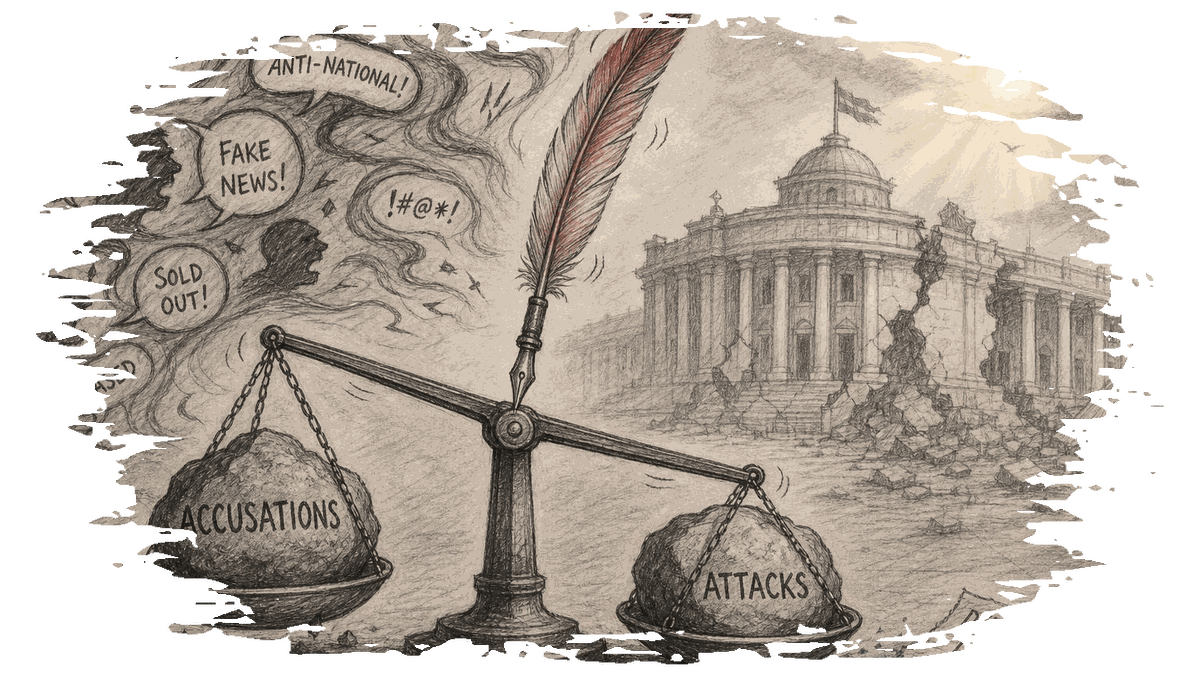
In October 2026, officials from the Serbian Progressive Party (SNS) directed at least 159 verbal attacks against journalists, marking a 47% increase from the previous month, according to monitoring by the Slavko Ćuruvija Foundation. This surge in attacks coincided with the parliamentary elections held on October 25, 2026, where the SNS lost its 14-year hold on power to the Students’ List. Nearly 40% of these attacks were attributed to Aleksandar Vučić, the former President and leader of the SNS electoral list.
The foundation’s report highlights that over half of the recorded attacks were linked to the election period. Journalists and media outlets faced accusations of inciting violence, participating in “special operations” against the state, and working in the interests of foreign intelligence services. The foundation continued to track statements from SNS representatives even after their electoral defeat, as the new government had not yet been formed, leaving SNS officials in key state roles.
Aleksandar Vučić, despite being monitored for a shorter period, was responsible for 63 of these attacks. His rhetoric included claims that foreign services had invested billions of euros in certain media and NGOs to destabilize the government. Vučić specifically targeted media outlets like N1 and Nova S, labeling them as “criminal media” and accusing them of conducting a “special war against Serbia.”
The tension escalated when N1 refused to host Vučić in their pre-election program, citing his previous refusals to engage and accusations against their journalists. This decision led to at least 24 verbal attacks, with Vučić comparing the move to “Nazi methods.” Other SNS officials, including acting President Ana Brnabić and Nebojša Bakarec, echoed these sentiments, accusing N1 of “media fascism” and “political extortion.”
Individual journalists were also targeted, with 26 specific cases reported. Dinko Gruhonjić, a journalist and professor, faced accusations from SNS officials of advocating for the secession of Vojvodina and coordinating with the Students’ List. Another notable case involved Aleksandar Radić, a military analyst, who was subjected to institutional intimidation following his comments on the potential use of sound weapons during a protest in March 2025.
The increase in verbal attacks reflects ongoing tensions between the SNS and independent media, a relationship that has been strained throughout the election period. The foundation’s findings underscore the challenges facing media freedom in Serbia, as the country navigates a significant political transition. The SNS’s response to losing power, characterized by heightened rhetoric against critical media, raises concerns about the future of press freedom and democratic practices in the region.

0 Comments